


World News
US Supreme Court blocks Trump’s emergency tariffs, says President exceeded authority

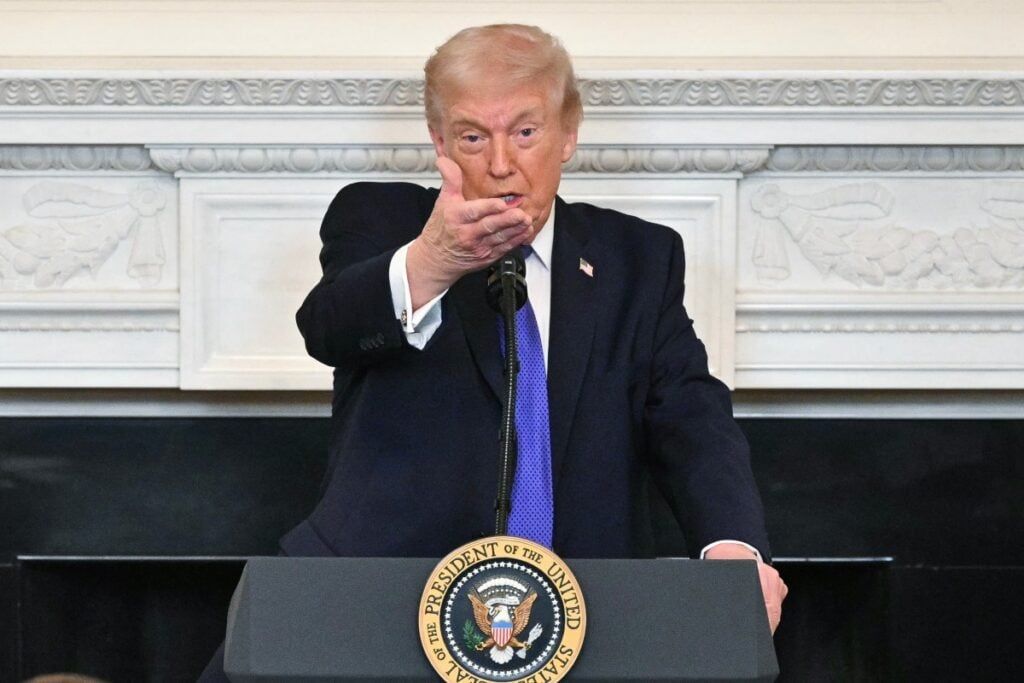
The US Supreme Court ruled on Friday that President Donald Trump exceeded his authority by imposing sweeping tariffs under emergency economic powers, dealing a major blow to a central pillar of his trade agenda.
In a 6–3 decision, the conservative-majority court held that the International Emergency Economic Powers Act (IEEPA) “does not authorise the President to impose tariffs.” The ruling effectively blocks Trump’s use of emergency powers to levy broad, across-the-board duties on US trading partners.
Trump had relied on IEEPA after returning to office last year to introduce wide-ranging “reciprocal” tariffs targeting countries whose trade practices Washington deemed unfair. Separate tariffs were also imposed on Mexico, Canada and China over issues related to illicit drug flows and immigration.
Delivering the opinion of the court, Chief Justice John Roberts stated that IEEPA contains no reference to tariffs or duties. The court noted that if Congress had intended to grant such extraordinary authority, it would have done so explicitly, as it has in other tariff statutes.
The ruling does not affect sector-specific tariffs Trump imposed separately on steel, aluminium and other goods. Several ongoing government investigations could still lead to additional, more targeted tariffs under other statutory authorities.
The court’s three liberal justices joined three conservatives in the majority. Conservative Justices Brett Kavanaugh, Clarence Thomas and Samuel Alito dissented.
The decision upholds earlier lower court rulings that found Trump overstepped his authority when imposing the tariffs. A trade court in May had blocked most of the measures, though that decision had been temporarily paused pending appeal.
Economists suggest the ruling could significantly reduce average US tariff rates. EY-Parthenon chief economist Gregory Daco previously estimated that striking down the emergency tariffs would lower the average rate from 16.8 percent to roughly 9.5 percent, while potentially costing the government between $100 billion and $120 billion in lost revenue.
However, analysts caution that the administration may seek alternative legal pathways to reintroduce broader trade measures. Erica York of the Tax Foundation noted that while the ruling constrains the president’s ability to impose sweeping tariffs unilaterally, other, more limited statutory options remain available.

The court did not clarify whether importers would be entitled to refunds for tariffs already collected, a process Justice Kavanaugh warned could become administratively complex.










News3 minutes ago
Gunmen strike in Plateau community, abduct three

News12 minutes ago
FCT Polls: ADC kicks against curfew declaration, alleges voter suppression

Sports32 minutes ago
Super Eagles to face Iran, Jordan in four-nation tournament

News2 hours ago
Akwa Ibom Court sentences Pastor to death for murder of landlord

News3 hours ago
NCC opens public consultation on telecoms policy review

News3 hours ago
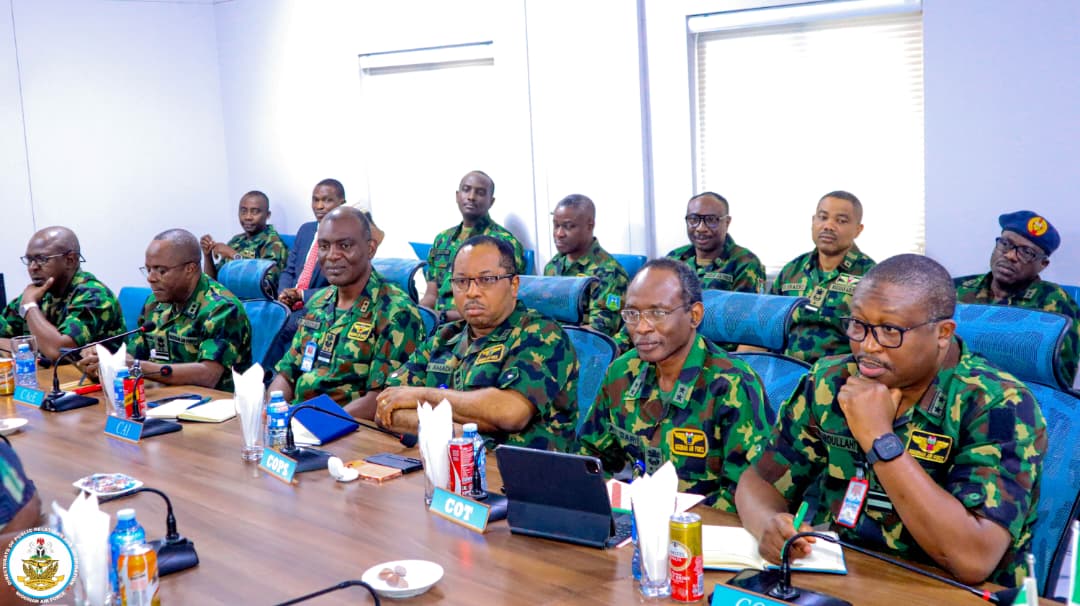
NAF, NIMASA strengthen air–maritime security collaboration

National News4 hours ago
Tinubu calls for peaceful polls in FCT, Rivers, Kano

World News4 hours ago
US Supreme Court blocks Trump’s emergency tariffs, says President exceeded authority

Feature6 hours ago
How Akpabio’s leadership secured Nigeria’s electoral future

National News9 hours ago
FG to establish Armed Forces College of Medicine to boost military medical capacity

National News1 day ago
Anxiety rocks Federal Civil Service over salary cuts, unpaid arrears

National News2 days ago
Tinubu signs landmark executive order to channel Oil, Gas revenues directly to federation account

National News1 day ago
Electoral Act: E-Transmission supportive, not substitutive — Tinubu

Sports1 day ago
NFF set to review Chelle’s backroom staff after AFCON Bronze

News1 day ago
Safety First: Transcorp Hilton Abuja stages fire drill

News1 day ago
ICPC detains El-Rufai amid ongoing probe

News1 day ago
Gunmen abduct, kill Ondo Monarch in Palace attack

News1 day ago
BREAKING: Rivers Assembly halts impeachment of Gov. Fubara, Deputy Odu

NUJ FCT1 day ago
NUJ FCT, NDPC seal data shield pact to fortify Journalists against cyber threats
News2 days ago
Moments after EFCC bail, DSS picks up El-Rufai
-
 National News1 day ago
Anxiety rocks Federal Civil Service over salary cuts, unpaid arrears
-
 National News2 days ago
Tinubu signs landmark executive order to channel Oil, Gas revenues directly to federation account
-
 National News1 day ago
Electoral Act: E-Transmission supportive, not substitutive — Tinubu
-
 Sports1 day ago
NFF set to review Chelle’s backroom staff after AFCON Bronze
-
 News1 day ago
Safety First: Transcorp Hilton Abuja stages fire drill
-
 News1 day ago
ICPC detains El-Rufai amid ongoing probe
-
 News1 day ago
Gunmen abduct, kill Ondo Monarch in Palace attack
-
 News1 day ago
BREAKING: Rivers Assembly halts impeachment of Gov. Fubara, Deputy Odu