News
Bille gas crisis deepens as CSOs, residents demand emergency response

Civil society organisations and residents of Bille community in Degema Local Government Area of Rivers State have called on the Federal Government to declare a state of emergency over worsening gas emissions in the community.
They warned that continued gas bubbling and emissions from wells, compounds, creeks, mangrove swamps and school grounds could lead to a major fire or explosion if urgent action is not taken.
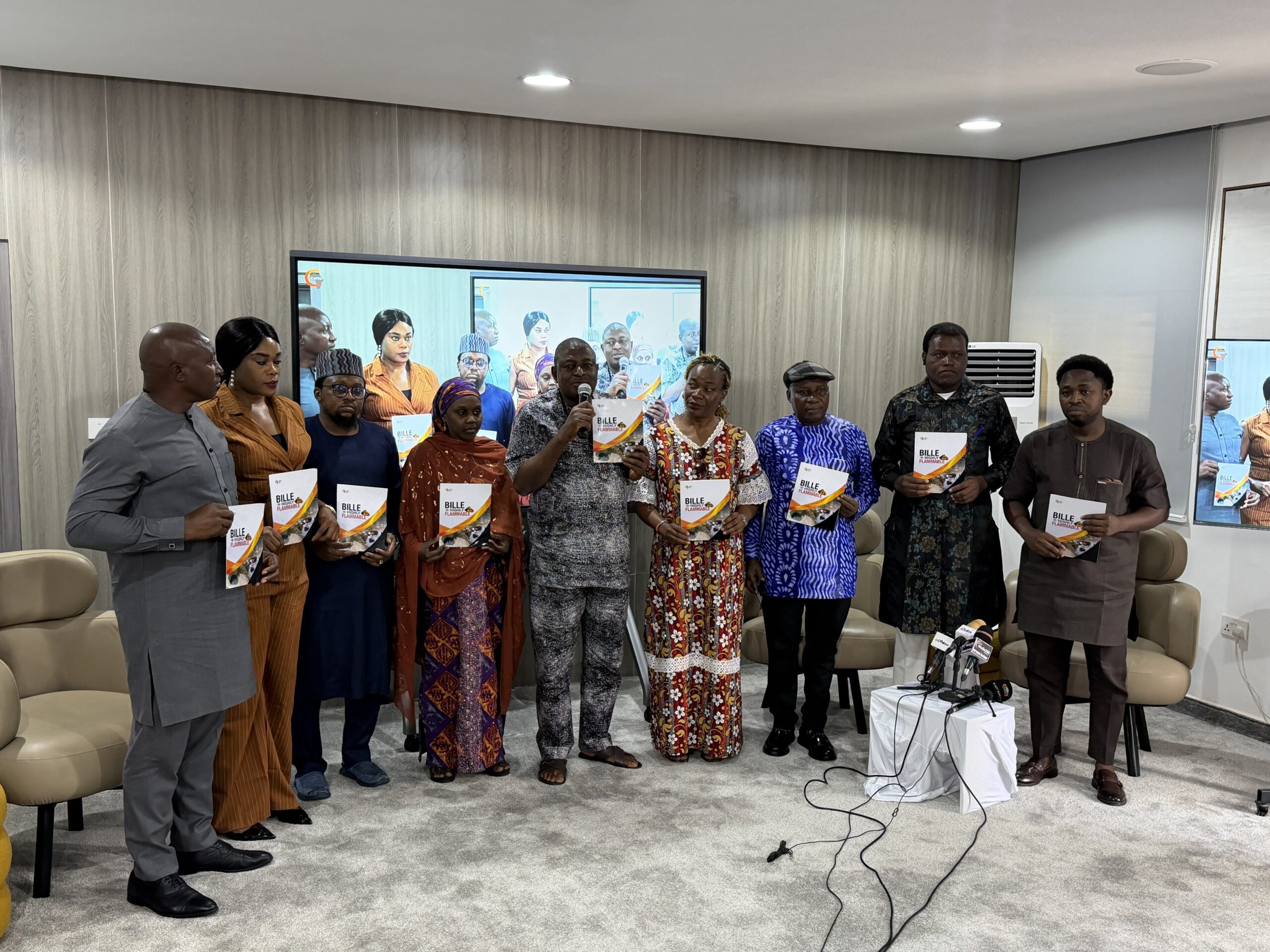
The call was made in Abuja during the media presentation of a documentary titled “Bille Is Highly Flammable,” by the Corporate Accountability and Public Participation Africa, CAPPA.
The Executive Director of CAPPA, Akinbode Oluwafemi, said residents had reported gas emissions in the community since October 2025, which had affected their livelihoods, while government interventions remained inadequate.
Oluwafemi noted that the crisis had resulted in air pollution, contaminated groundwater, fires, health problems and disruption of children’s education, while threatening the fishing-based livelihoods of residents.
Oluwafemi said a CAPPA field visit to Bille on July 6, 2026, showed that some residents were suffering from rashes, persistent itching and other health complaints, while others reported respiratory problems and vomiting.
“Imagine having to think twice before cooking or performing domestic activities in your own home because you do not know whether an invisible gas accumulating around you could ignite,” he said.
Oluwafemi said government agencies, including the National Oil Spill Detection and Response Agency (NOSDRA), Nigerian Upstream Petroleum Regulatory Commission (NUPRC), Federal Ministry of Environment and Federal Ministry of Petroleum Resources, had inspected affected areas and collected soil, water and gas samples.
He added that the investigations had reportedly detected elevated concentrations of methane, hydrogen sulphide and carbon dioxide, as well as groundwater contamination and deteriorating air quality.
However, Oluwafemi said government interventions remained inadequate, citing a fire truck donated by NNPC Limited which he said was locked and unused because no trained operator or emergency crew had been assigned to it.
CAPPA called for the immediate release of the results of environmental and health tests already conducted, as well as a comprehensive audit of oil and gas infrastructure in Bille.
The organisation also called for unsafe facilities to be repaired, isolated or decommissioned and demanded continuous access to safe drinking water, free medical screening and treatment, health monitoring, temporary learning facilities and a coordinated emergency response and evacuation plan.
The Vice President of the Bille Kingdom Youth Federation, Timothy Agunbiade, said the situation was worsening, with areas that previously had no visible gas activity now experiencing bubbling.
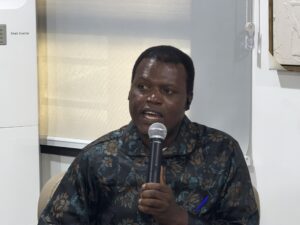
Agunbiade, who identified himself as a trained disaster manager, expressed concern that the emissions could be linked to ageing or abandoned oil and gas infrastructure and warned of a possible fire or explosion.
He alleged that four major fire incidents had occurred in the community, including one on May 14 that nearly claimed four lives.
Agunbiade said his wife had developed persistent rashes, while other residents had complained of throat dryness, loss of voice and other health problems.
According to him, the crisis had also damaged mangroves and disrupted fishing activities, leaving residents in a dangerous environment.
Also speaking, Founder and Team Lead of Miideekor Environment Development Initiative, Celestine Akpobvare, who said he visited Bille on June 13, described the situation as alarming.
Akpobvare also criticised the level of government assistance to the community, describing the reported release of N100 million as inadequate considering the scale of the crisis.
For Ahmad Abdulsamad of the Natural Resources Governance Institute, the Bille crisis demonstrated the consequences of weak enforcement of existing environmental regulations.
He said Nigeria needed stronger implementation of existing environmental policies rather than merely introducing new ones, adding that communities must be involved in finding solutions to environmental challenges.
Similarly, Ahmed Lawal of the Centre for Leadership Strategy and Development (Centre LSD) described the situation as depressing and warned that Bille was facing a potentially devastating environmental and humanitarian crisis.
Lawal urged the government to respond more decisively and called on CAPPA and other civil society groups to mobilise wider public support for urgent intervention.


Gov. Bago Attends Funeral of In-Law, Alhaji Umaru Baba Chegungi, in Minna

20 Die, Five Injured in Fatal Crash at Hawan Kibo, Plateau

Suspected Boko Haram Terrorists Kill 15 Farmers in Borno, Three Missing

Amaechi: I’ll Withdraw From ADC Ticket, Campaign for Tinubu If Petrol Hits ₦600

Police Foil Bandits’ Attack on Sokoto Village, Recover Two Rocket Launchers

Veteran Actor Olu Jacobs Buried in Lagos as Nollywood Stars, Dignitaries Pay Tribute

WAEC Appoints Amos Dangut as Registrar, Begins Five-Year Tenure

2027: APM Presidential Candidate, Makinde, Appoints Amos Dunia as Special Adviser, Public Affairs

Livestock Minister Commends Niger Governor Bago’s Agricultural Drive, Backs Large-Scale Development

2027: Abuja Indigenous Youths declare support for President Tinubu
20 Die, Five Injured in Fatal Crash at Hawan Kibo, Plateau