
Feature
Abuja, Benue top list of states with high cost of living in 2026 (Full List)

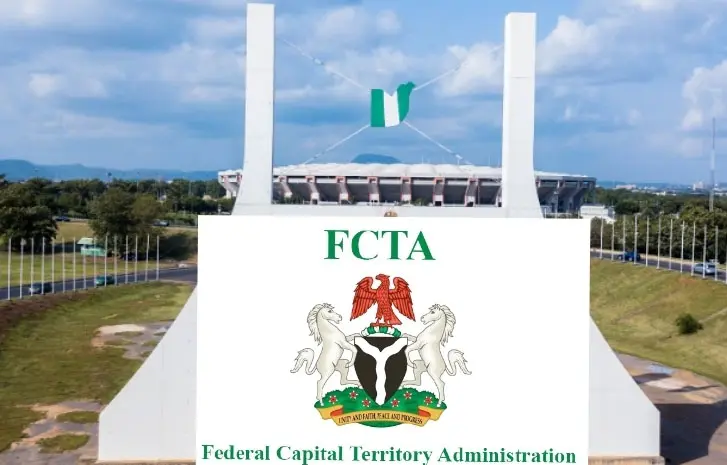
Living costs across Nigeria remained burdensome for households in January 2026 despite a marginal decline in the national inflation rate to 15.10 per cent.
For millions of families, the easing at the national level has yet to reflect in everyday transactions, as prices of food, transportation, housing, electricity and other essentials continue to strain incomes.
The latest Consumer Price Index report by the National Bureau of Statistics highlights stark disparities in living costs across states, with several recording inflation figures well above the national average, underscoring persistent local price pressures in both urban and rural communities.
Benue State leads the chart with an inflation rate of 22.5 per cent, driven largely by soaring food prices, particularly staples such as yam, rice and tomatoes.
Rising transport fares and market levies have further tightened household budgets.
Kogi State follows at 21.0 per cent, as higher food costs, transportation expenses and increasing rental demand continue to inflate living conditions, especially in commercial centres like Lokoja.
The Federal Capital Territory recorded 19.2 per cent, reflecting the capital’s persistently high cost of housing, alongside elevated food and transport expenses.
Adamawa State posted the same rate, with rising grain and protein prices compounded by logistics costs.
Yobe State stood at 19.1 per cent, where residents reported mounting fuel-related charges and higher market prices for fresh produce.
Osun State recorded 18.1 per cent, as increased electricity tariffs and transport fares added pressure on households in Osogbo and Ile-Ife.
Nasarawa State registered 17.3 per cent, with its proximity to Abuja influencing price movements.
Oyo State and Niger State both posted 16.9 per cent, reflecting higher food, fuel and utility costs across key towns and rural communities.
Across these states, shrinking purchasing power has forced many households to cut spending, switch to cheaper alternatives and reconsider long-term financial plans.
While the national inflation trend suggests gradual moderation, the lived reality in several parts of the federation indicates that meaningful relief remains elusive for ordinary Nigerians.
Gazette Post Nigeria
















BREAKING: Security Forces Rescue 20 Prospective NYSC Members, Civilian Abducted in Imo

State Police Must Protect Nigerians, Not Intimidate Them — Comrade Grace Ike

BREAKING: NLC declares indefinite strike in FCT

Lagos hosts Chartered Risk Management Institute’s silver jubilee conference, spotlights youth challenge and national awards

BREAKING: NAF names 25 people killed in ATR 42 crash in Ondo (Full List)

KONEF celebrates World Teachers’ Day, urges greater investment in teaching

Gov. bago swears in six new commissioners, tasks them on diligence

Police Arrest man for raping, impregnating 12-Year-Old in FCT

2027: ‘A Vote for Obi, NDC Is a Vote to Kill APGA’ — Anambra Govt

2027: ‘I Have Faith in God That Tinubu Will Return’ — Umahi
Gov. bago swears in six new commissioners, tasks them on diligence
KONEF celebrates World Teachers’ Day, urges greater investment in teaching
BREAKING: NLC declares indefinite strike in FCT
BREAKING: NAF names 25 people killed in ATR 42 crash in Ondo (Full List)
Lagos hosts Chartered Risk Management Institute’s silver jubilee conference, spotlights youth challenge and national awards
State Police Must Protect Nigerians, Not Intimidate Them — Comrade Grace Ike
BREAKING: Security Forces Rescue 20 Prospective NYSC Members, Civilian Abducted in Imo
-
 News1 day ago
Gov. bago swears in six new commissioners, tasks them on diligence
-
 News1 day ago
KONEF celebrates World Teachers’ Day, urges greater investment in teaching
-
 News7 hours ago
BREAKING: NLC declares indefinite strike in FCT
-
 News1 day ago
BREAKING: NAF names 25 people killed in ATR 42 crash in Ondo (Full List)
-
 News1 day ago
Lagos hosts Chartered Risk Management Institute’s silver jubilee conference, spotlights youth challenge and national awards
-
 NUJ FCT3 hours ago
State Police Must Protect Nigerians, Not Intimidate Them — Comrade Grace Ike
-
 News44 minutes ago
BREAKING: Security Forces Rescue 20 Prospective NYSC Members, Civilian Abducted in Imo