
News
Sickle Cell Crisis: Nigeria pushes awareness, screening, access to life-saving drugs

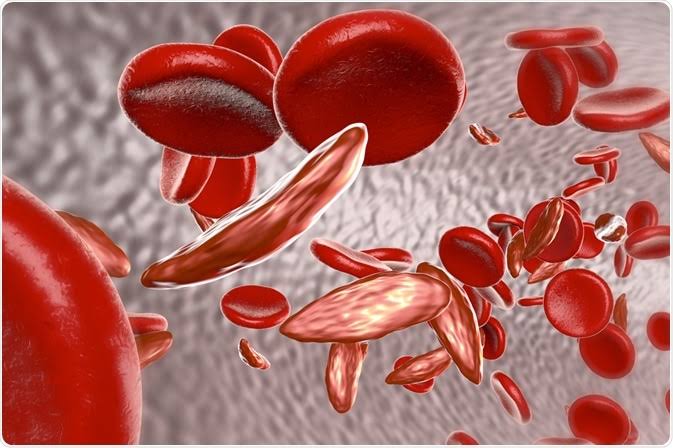
Nigeria, home to the world’s largest sickle cell population, is intensifying its battle against the disease with a renewed focus on public awareness around AA and SS genotypes, aiming to prevent new cases and save lives.
NUJ FCT reports that Sickle cell disease (SCD), a hereditary blood disorder caused by a mutation in the HBB gene, affects an estimated 7.74 million people worldwide, with more than 73% in Africa.
In Nigeria alone, around 150,000 babies are born with the condition every year, the highest national figure globally. The disease distorts red blood cells into rigid, crescent shapes, blocking blood flow and triggering severe pain, infections, and organ damage.
Locally, the AA genotype signifies normal hemoglobin, while SS represents sickle cell anemia, the most severe form of the disease. Between them lies the AS “carrier” genotype, which affects roughly one in four Nigerians. If two AS carriers marry, there is a 25% chance their child will inherit SS. This genetic reality underpins nationwide campaigns promoting genotype screening before marriage, with Lagos State among those enforcing mandatory premarital testing.
The burden is staggering. Patients with SS often endure unpredictable pain crises, chronic anemia, and organ damage. In Nigeria, where only 10% of sufferers have consistent access to care, families spend up to ₦500,000 a year on treatment.
Hydroxyurea, a drug proven to reduce crises by half, remains out of reach for many, while lifesaving blood transfusions are hampered by cost and supply shortages.
Globally, SCD caused 376,000 deaths in 2021, with African children the most affected. Fewer than half of those born with the disease on the continent reach their 10th birthday.
Nigeria’s National Sickle Cell Disease Control Program, supported by the World Health Organization, has expanded newborn screening in high-burden states like Edo, reducing child mortality by 15% in targeted areas. Advocacy groups are also driving change through campaigns such as #KnowYourType, which encourage young people to learn their genotype early.
On the cutting edge, new gene-editing therapies such as Casgevy — recently approved in the U.S. and U.K. — offer a “functional cure” for most patients. But with a $2.2 million price tag, such treatments remain far beyond the reach of most Nigerians.
Experts say the path forward requires scaling up universal genotype testing for newborns and couples, subsidising proven treatments like hydroxyurea, and investing in research to adapt gene therapies for African patients. They also stress the need to tackle stigma, which continues to affect marriage prospects and workplace opportunities for people with SS.
With more than half a million babies worldwide born with SCD each year, Nigeria’s push to curb the disease through awareness, prevention, and innovation could set a precedent for other high-burden nations and break a cycle of pain that has persisted for generations.


Triple Crown for Julius Berger at Eurocham Nigeria Awards 2026

‘Nigerians Deserve Affordable Petrol’ — Obidient Movement Faults FG’s 30-Day Discount

30-Day Petrol Discount Is Not Subsidy, Funded by NNPC Retail’s Profit Margin — Oyedele

NLC Issues Two-Week Ultimatum to FG Over Petrol Price, Minimum Wage

Federal High Court Dismisses El’Rufai’s Fundamental Rights Suit Against ICPC, DSS, Others For Lacking In Merit

Renowned Communication Scholar, Prof Idowu Sobowale, Dies at 85

NYSC Kidnap: Mother Reveals How She Paid N6m to Secure Son’s Release

NAF Helicopter Makes Precautionary Landing in Makurdi, Returns Safely to Base

Aiyedatiwa Orders Search to Continue Until NAF Aircraft, Victims Are Recovered

BREAKING: Security Forces Rescue 20 Prospective NYSC Members, Civilian Abducted in Imo
BREAKING: NLC declares indefinite strike in FCT

State Police Must Protect Nigerians, Not Intimidate Them — Comrade Grace Ike
NLC Issues Two-Week Ultimatum to FG Over Petrol Price, Minimum Wage
Aiyedatiwa Orders Search to Continue Until NAF Aircraft, Victims Are Recovered
‘Nigerians Deserve Affordable Petrol’ — Obidient Movement Faults FG’s 30-Day Discount
NAF Helicopter Makes Precautionary Landing in Makurdi, Returns Safely to Base
30-Day Petrol Discount Is Not Subsidy, Funded by NNPC Retail’s Profit Margin — Oyedele
NYSC Kidnap: Mother Reveals How She Paid N6m to Secure Son’s Release
BREAKING: Security Forces Rescue 20 Prospective NYSC Members, Civilian Abducted in Imo
Renowned Communication Scholar, Prof Idowu Sobowale, Dies at 85
-
 News2 days ago
BREAKING: NLC declares indefinite strike in FCT
-
National News3 hours ago
NLC Issues Two-Week Ultimatum to FG Over Petrol Price, Minimum Wage
-
 NUJ FCT2 days ago
State Police Must Protect Nigerians, Not Intimidate Them — Comrade Grace Ike
-
 News1 day ago
Aiyedatiwa Orders Search to Continue Until NAF Aircraft, Victims Are Recovered
-
 News22 hours ago
NAF Helicopter Makes Precautionary Landing in Makurdi, Returns Safely to Base
-
 National News2 hours ago
30-Day Petrol Discount Is Not Subsidy, Funded by NNPC Retail’s Profit Margin — Oyedele
-
 News2 hours ago
‘Nigerians Deserve Affordable Petrol’ — Obidient Movement Faults FG’s 30-Day Discount
-
 News22 hours ago
NYSC Kidnap: Mother Reveals How She Paid N6m to Secure Son’s Release