
National News
FG approves N500bn security emergency fund as FAAC deducts ₦952bn from May revenue

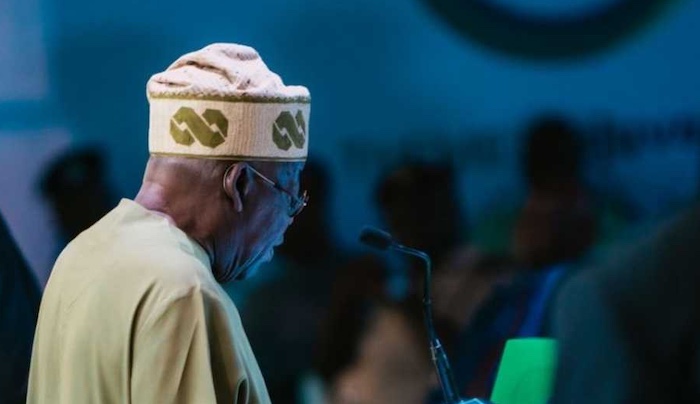
The Federal Government has approved a N500bn national security emergency intervention fund aimed at strengthening the country’s response to rising security challenges, even as fresh disclosures show that a total of ₦952bn was deducted from the Federation Account Allocation Committee (FAAC) revenue for May 2026 before statutory sharing among the three tiers of government.
According to documents and sources familiar with the FAAC proceedings, the deductions included N250bn for a Military Intervention Fund, N252bn for an Infrastructure Development Fund for states, and N450bn set aside for a Non-Oil Excess Revenue Account. The combined deductions significantly reduced the distributable revenue for the month, which stood at N2.3tn.
The move comes amid escalating insecurity across parts of the country, with government officials describing the intervention as a proactive shift from reactive crisis spending to structured emergency preparedness. Cross River State Governor, Bassey Otu, confirmed that the security allocation was part of broader fiscal adjustments approved during FAAC’s 158th meeting presided over by Vice President Kashim Shettima.
Officials said the N500bn security fund will be deployed for rapid-response operations, intelligence support, troop logistics, surveillance systems, and other emergency security needs across states and federal security agencies. The funding will be drawn directly from federation revenue before monthly disbursement.
The decision has drawn mixed reactions from stakeholders. While economists and policy analysts welcomed the intervention as necessary given persistent threats ranging from insurgency to kidnapping and banditry, they cautioned that transparency and accountability would be critical to its success.
Chief Executive Officer of Economic Associates, Dr Ayo Teriba, said increased security funding was unavoidable, stressing that Nigeria must close existing gaps in troop strength, equipment, surveillance infrastructure, and personnel welfare. However, he warned that Nigerians would expect clear accountability in the management of the funds.
Similarly, Professor Akpan Ekpo of the University of Uyo described the initiative as essential for economic stability, noting that insecurity remains a major deterrent to investment and national development.
However, concerns have also emerged over the scale and structure of deductions from federation revenue, with analysts noting that nearly one trillion naira was carved out before allocation to the Federal Government, states, and local councils.
The development comes as the Department of State Services (DSS) rejected proposals for foreign funding in its proposed Security Trust Fund, warning that external contributions could compromise intelligence operations and national sovereignty.
Security challenges continue to intensify across Nigeria, including insurgency in the North-East, banditry in the North-West, kidnapping incidents in the North-Central, separatist tensions in the South-East, and oil theft in the Niger Delta.
The Tinubu administration has repeatedly defended its security spending, saying reforms under the Renewed Hope Agenda are designed to strengthen military capability, improve intelligence gathering, and enhance inter-agency coordination.
Meanwhile, economists and security experts maintain that while funding is important, the effectiveness of the new intervention will depend largely on transparency, oversight mechanisms, and measurable impact on ground-level security outcomes.






2027: New strategy in place to checkmate Atiku, Obi – Wike

INEC, Police Move to Identify, Arrest Perpetrators of Pre-Election Violence Ahead of 2027

NCDC Places Nigeria on High Alert Over Ebola Outbreak in DR Congo

‘Every Nigerian Should Undergo Military Training’ — Defence Minister Musa

‘Trump Has No Right to Govern Other Countries’ — Brazil’s Lula

You Won’t Return to Senate in 2027, Defends FCT Loans – Wike Tells Kingibe

Trump Rejects Global Supervision of AI, Calls It ‘Globalist Scheme’

UK Bars Nigerian, Ghanaian Teachers From QTS Application Route in England

CBN Resets Monetary Policy Rate to 23%

FG Inaugurates 10-Member Panel to Probe Deaths of 37 Suspected Illegal Miners in NSCDC Custody
‘Trump Has No Right to Govern Other Countries’ — Brazil’s Lula
UK Bars Nigerian, Ghanaian Teachers From QTS Application Route in England
‘Every Nigerian Should Undergo Military Training’ — Defence Minister Musa
CBN Resets Monetary Policy Rate to 23%

NSITF now a digital, efficient, accountable institution – Faleye
Trump Rejects Global Supervision of AI, Calls It ‘Globalist Scheme’
NCDC Places Nigeria on High Alert Over Ebola Outbreak in DR Congo
FG Inaugurates 10-Member Panel to Probe Deaths of 37 Suspected Illegal Miners in NSCDC Custody
You Won’t Return to Senate in 2027, Defends FCT Loans – Wike Tells Kingibe
INEC, Police Move to Identify, Arrest Perpetrators of Pre-Election Violence Ahead of 2027
-
 News6 hours ago
‘Trump Has No Right to Govern Other Countries’ — Brazil’s Lula
-
 News1 day ago
UK Bars Nigerian, Ghanaian Teachers From QTS Application Route in England
-
 News6 hours ago
‘Every Nigerian Should Undergo Military Training’ — Defence Minister Musa
-
 National News1 day ago
CBN Resets Monetary Policy Rate to 23%
-
 News2 days ago
NSITF now a digital, efficient, accountable institution – Faleye
-
 World News1 day ago
Trump Rejects Global Supervision of AI, Calls It ‘Globalist Scheme’
-
 National News6 hours ago
NCDC Places Nigeria on High Alert Over Ebola Outbreak in DR Congo
-
 National News1 day ago
FG Inaugurates 10-Member Panel to Probe Deaths of 37 Suspected Illegal Miners in NSCDC Custody