




World News
Trump, EU reach tariff deal to avoid transatlantic trade war

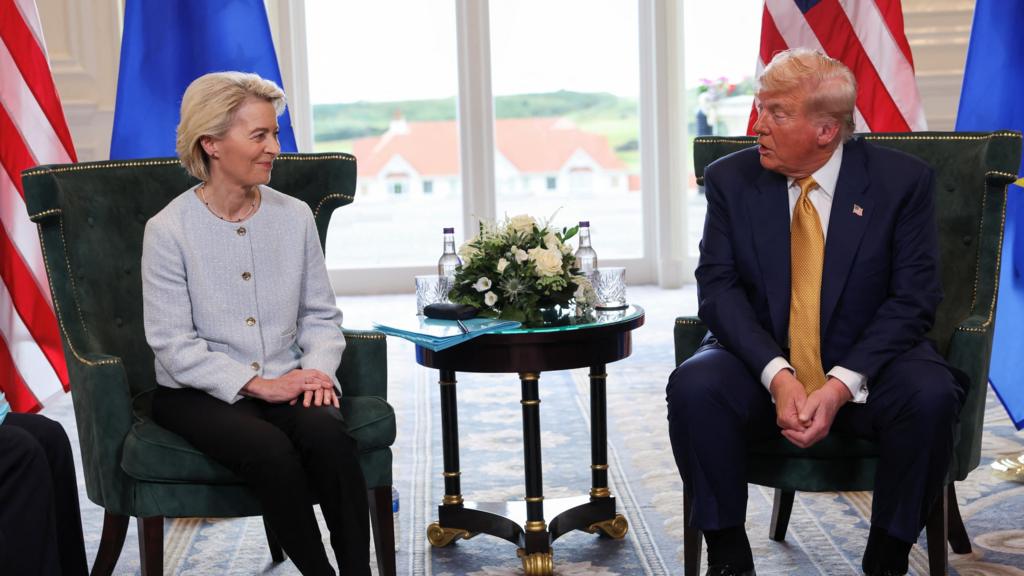
In a dramatic breakthrough just days before a looming deadline, U.S. President Donald Trump and European Commission President Ursula von der Leyen on Sunday announced a deal to resolve mounting trade tensions between Washington and Brussels, narrowly averting a major transatlantic trade war.
The agreement, revealed after high-level talks at Trump’s golf resort in Turnberry, Scotland, will see the imposition of a flat 15 percent tariff on all EU exports to the United States, including automobiles—significantly lower than the 30 percent blanket tariff the U.S. had threatened to enforce from August 1.
“We have reached a deal. It’s a good deal for everybody,” Trump declared, noting that the flat tariff would align with the level already secured by Japan. Previously, the EU was grappling with a 25 percent levy on autos, 50 percent on steel and aluminum, and a general 10 percent duty.
In addition to the tariff adjustment, Trump said the European bloc had agreed to purchase $750 billion worth of U.S. energy and invest a further $600 billion into the American economy.
Von der Leyen hailed the agreement as one that would restore “stability” and “predictability” to a transatlantic relationship worth nearly $2 trillion annually. “It’s a good deal,” she echoed, sitting beside Trump after their hour-long meeting. “It will bring stability. It will bring predictability. That’s very important for our businesses on both sides of the Atlantic.”
However, the deal appeared to fall short of key EU demands. Brussels had lobbied for exemptions for sensitive industries such as pharmaceuticals, aircraft, spirits, and automotive components—especially vital to France, Germany, and Ireland—but Trump rebuffed those calls.
“There are no carve-outs,” he emphasized, even adding that pharmaceuticals, a major Irish export, would be excluded from the agreement altogether. “We have to have them built, made in the United States.”
Trump also dismissed EU appeals for steel quota relief, insisting tariffs on European steel would remain at current levels.
Although the agreed 15 percent tariff still represents a jump from the previous 4.8 percent average for EU goods, it effectively avoids what observers feared could be a disastrous escalation in trade hostilities. Brussels had already prepared retaliatory tariffs targeting $109 billion worth of U.S. goods, including aircraft and cars, set to kick in from August 7 if no deal was reached.
Final approval of the agreement now rests with the EU member states, whose ambassadors were updated Sunday morning during a visit to Greenland. A follow-up meeting is expected after the announcement in Scotland.
Despite the short-term relief the deal may offer, political observers note that Trump’s broader push to remake global trade remains in full swing, with Commerce Secretary Howard Lutnick reiterating Sunday that the August 1 deadline was final: “No extensions, no more grace periods.”
As it stands, the EU may have dodged immediate confrontation—but the transatlantic trade order remains on an uneasy footing.
















News3 hours ago
Odita, Aleke, others elected as new DECAN executives

Uncategorized5 hours ago
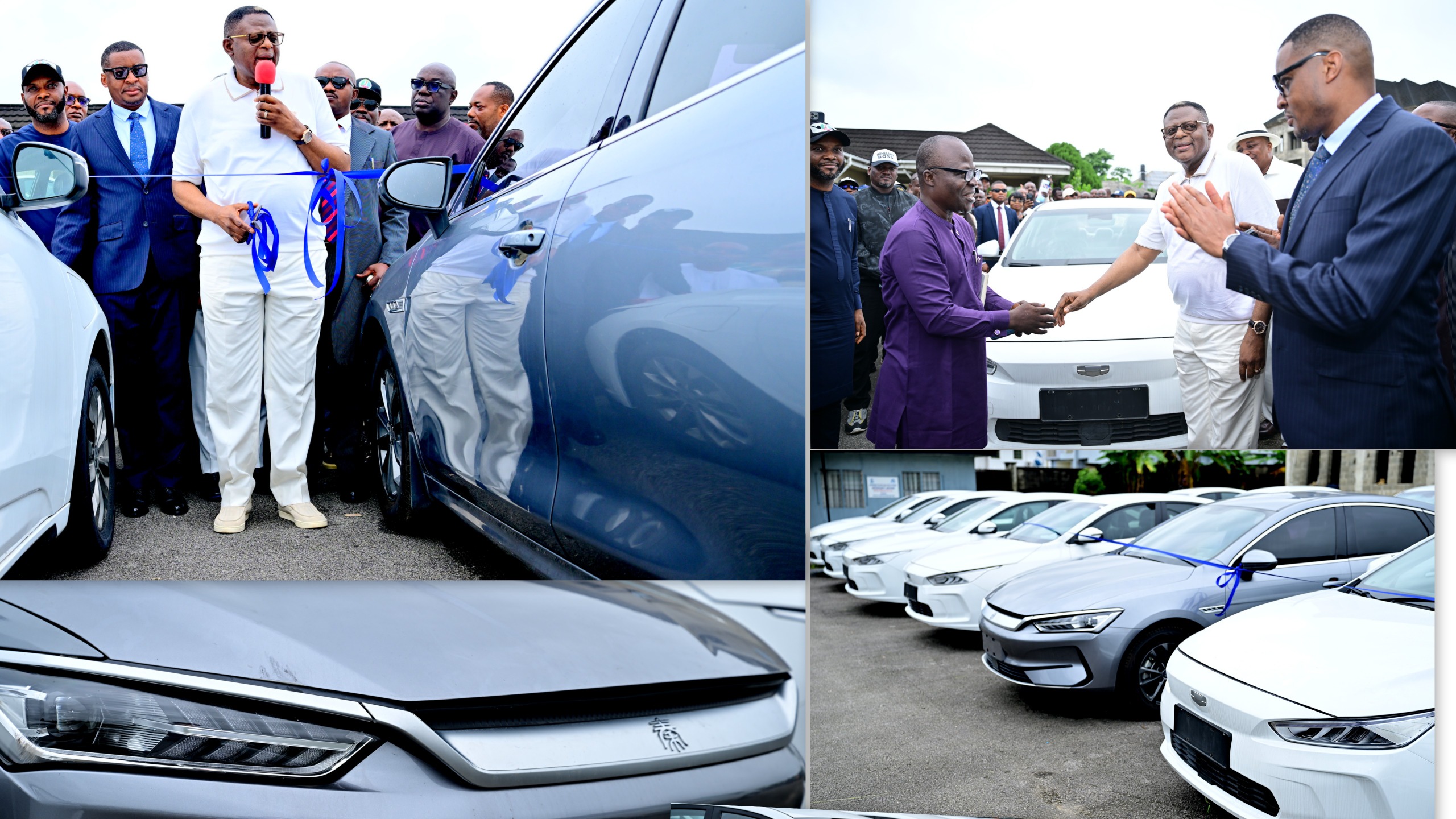
Democracy Day: Gov Otu rolls out 100 EVs to support Perm Secs, others

National News5 hours ago
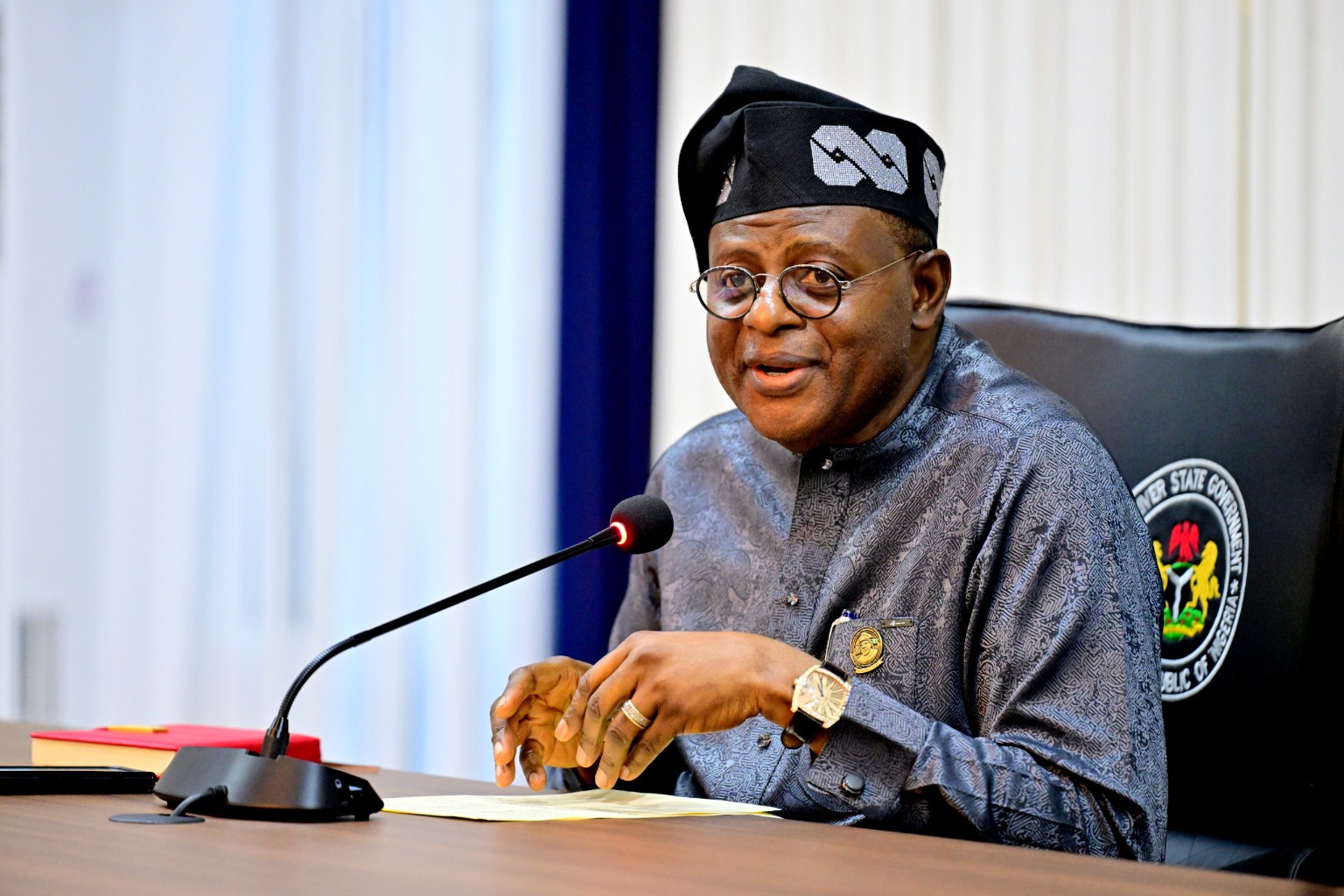
Democracy Day: Gov. Otu reaffirms People-First governance, urges citizens’ participation

News5 hours ago
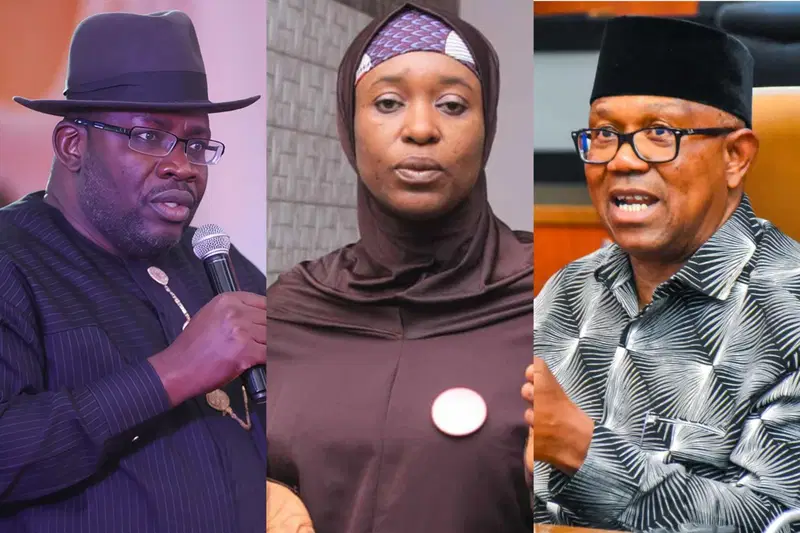
Aisha Yesufu slams Dickson, says he appears “insecure” over Peter Obi

News6 hours ago
Facebook, Instagram suffer global outage as millions report login failures

News6 hours ago
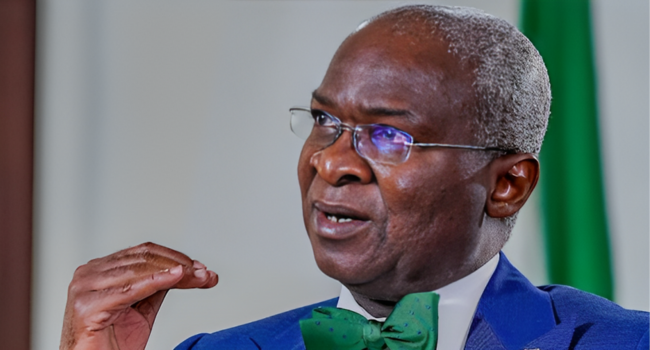
No election anywhere in the World is perfect – Fashola

News6 hours ago
Borno reintegrates 720 repentant insurgents, 3,000 family nembers into communities

World News6 hours ago
Elon Musk becomes world’s first trillionaire after SpaceX IPO

News12 hours ago
NDC Primary: Chief Santus reaffirms victory, urges public to ignore false claims
National News14 hours ago
Democracy Day 2026: Full text Of President Bola Ahmed Tinubu’s adddress
World News6 hours ago
Elon Musk becomes world’s first trillionaire after SpaceX IPO

Business2 days ago
BINANI AIR records a strong start as it marks 30 days of commercial operations

National News1 day ago
BREAKING: Fred Agbedi emerges House Minority Leader as Abbas announces new opposition leadership
News6 hours ago
Borno reintegrates 720 repentant insurgents, 3,000 family nembers into communities

News2 days ago
Federal High Court begins annual vacation July 27, designates vacation courts

National News1 day ago
BREAKING: House Of Representatives passes State Police bill
National News14 hours ago
Democracy Day 2026: Full text Of President Bola Ahmed Tinubu’s adddress
News12 hours ago
NDC Primary: Chief Santus reaffirms victory, urges public to ignore false claims
News6 hours ago
No election anywhere in the World is perfect – Fashola
News6 hours ago
Facebook, Instagram suffer global outage as millions report login failures
-
 World News6 hours ago
Elon Musk becomes world’s first trillionaire after SpaceX IPO
-
 Business2 days ago
BINANI AIR records a strong start as it marks 30 days of commercial operations
-
 National News1 day ago
BREAKING: Fred Agbedi emerges House Minority Leader as Abbas announces new opposition leadership
-
National News14 hours ago
Democracy Day 2026: Full text Of President Bola Ahmed Tinubu’s adddress
-
 News6 hours ago
Borno reintegrates 720 repentant insurgents, 3,000 family nembers into communities
-
 News2 days ago
Federal High Court begins annual vacation July 27, designates vacation courts
-
 National News1 day ago
BREAKING: House Of Representatives passes State Police bill
-
 News12 hours ago
NDC Primary: Chief Santus reaffirms victory, urges public to ignore false claims