


National News
Experts Urge Ethical, Strategic Communication to Strengthen Public Trust

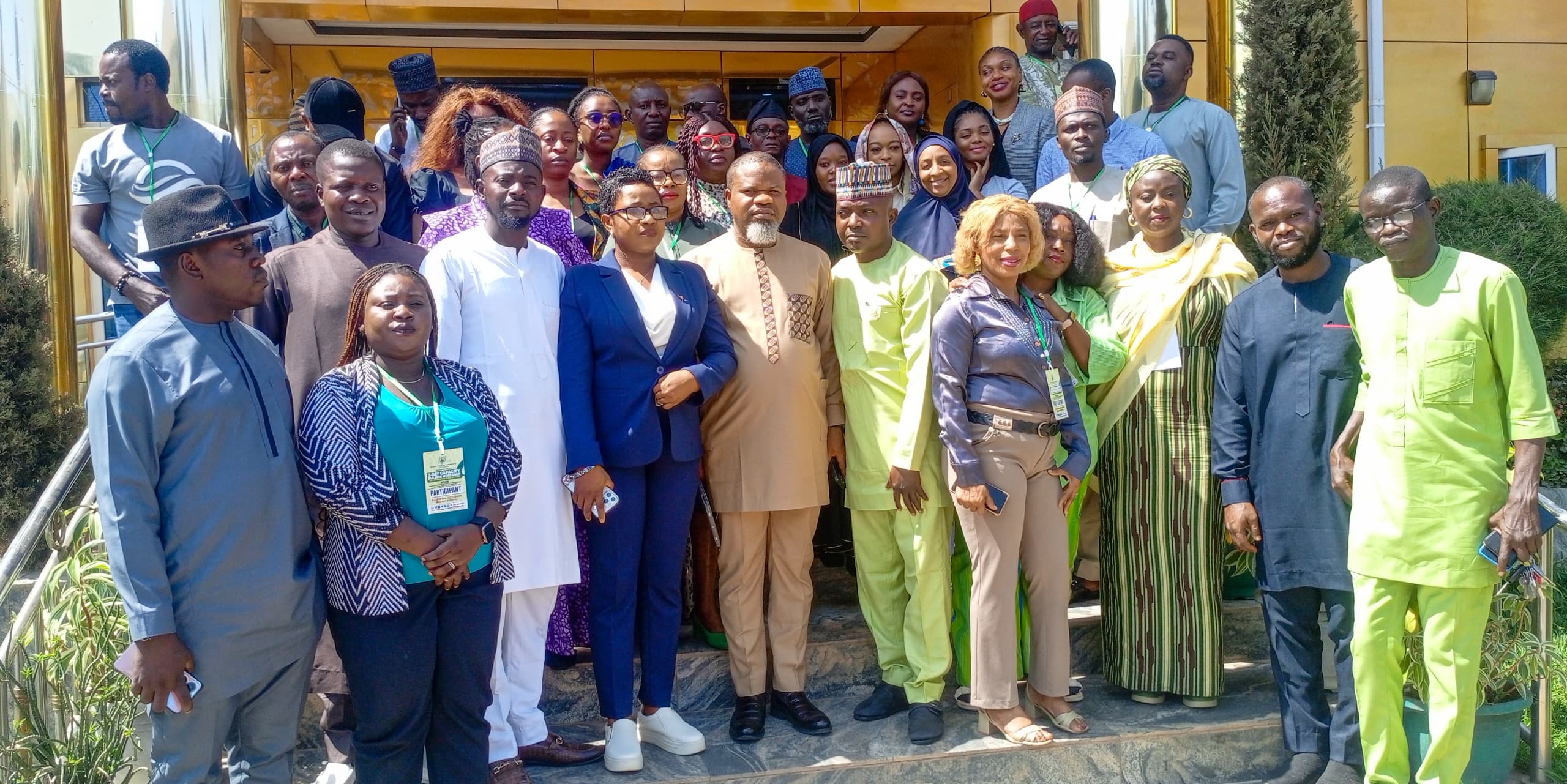
Media and communication experts have called for greater professionalism, ethical conduct, and strategic information management among public-sector information officers, noting the growing complexity of today’s digital communication landscape.
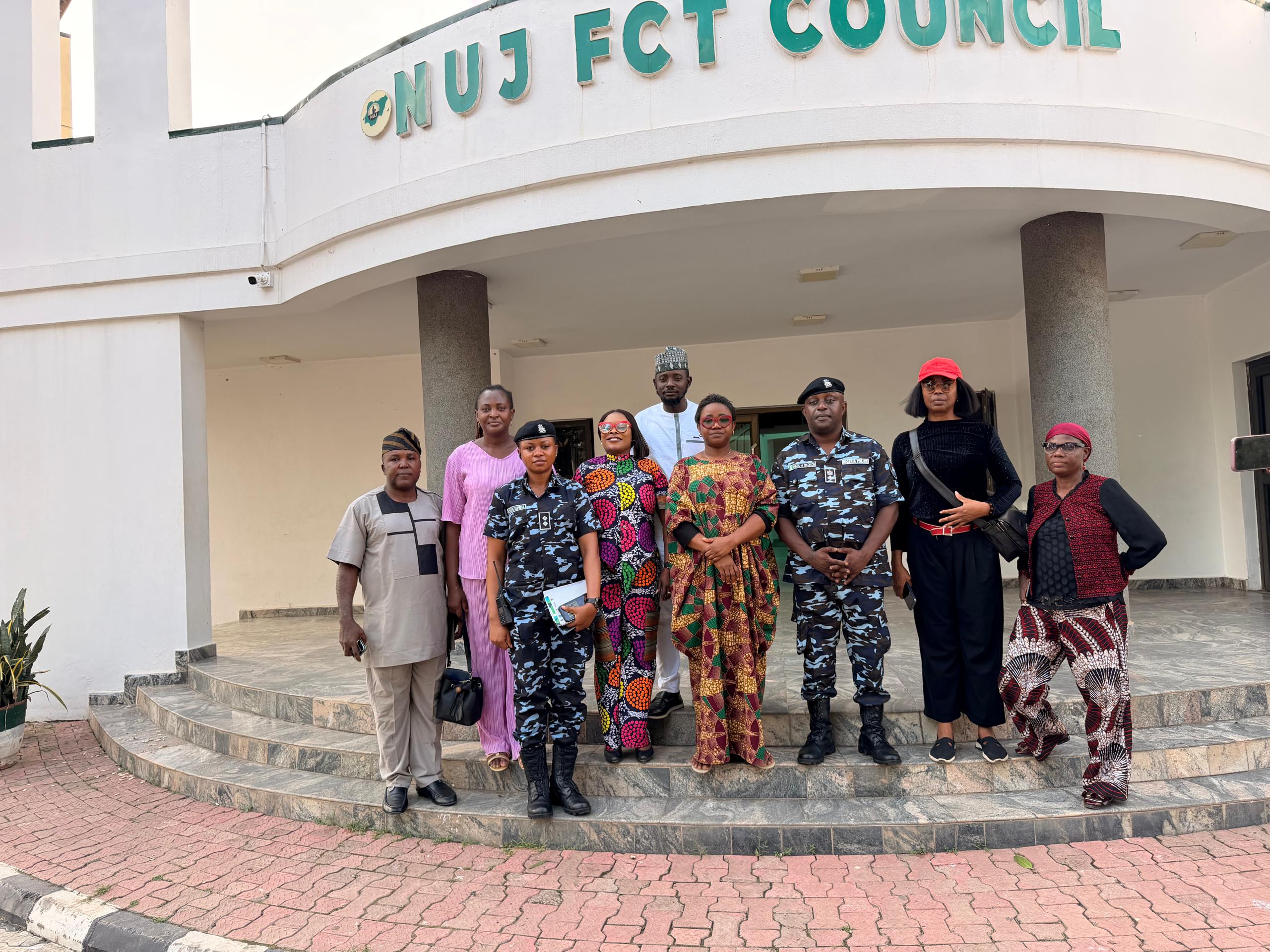
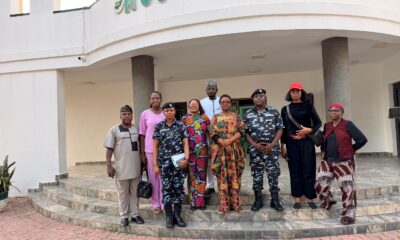
The call was made at a 3-day capacity-building workshop themed “Enhancing Public Image, Strategic Communication, and Media Visibility in the Digital Era”, organised by the NUJFCT Council.
Delivering the welcome address on behalf of Mrs Nnenna Ukoha, Principal Manager, Public Affairs at the Nigerian Communications Commission (NCC), Mr Tunde Akpeji said the workshop was designed to strengthen staff professionalism, improve efficiency and equip participants to engage confidently within the public communication space. He stated that the Commission values its personnel as its greatest asset, adding that investing in their skills is essential to driving positive change across the telecommunications industry. According to him, the training will equip information officers with the competencies required to effectively communicate the industry’s commitment to protecting critical national information infrastructure.
In her remarks, Chairman of the Nigeria Union of Journalists (NUJ) FCT Council, Comrade Grace Ike, described the workshop as a major step towards strengthening professionalism and preparing practitioners for modern communication demands. She noted that the theme—“Enhancing Image Making, Public Relations, Social Media Management and Media Visibility in the Public Sector”—was timely, especially in an era where perception often precedes reality and a single tweet or video clip can reshape public opinion.
She emphasised that the role of the information officer has now expanded far beyond issuing statements, with officers expected to serve as strategists, crisis managers, digital communicators, content curators and reputation protectors. Comrade Ike urged participants to embrace continuous learning, adding that evolving tools, platforms and audiences demand constant adaptation. She described the training as symbolic, coming just days before her first anniversary in office, and stressed that investing in people is central to strengthening journalism and improving governance.

Also speaking, the Vice Chairman of the NUJ FCT Council, Comrade Yahaya Ndambabo, warned that society is facing an era of unprecedented misinformation and fake news, which he described as “cancerous”. He urged journalists and information officers to devise effective strategies to combat misleading content and protect the integrity of public information.
Former NUJ President, Dr Chris Isiguzo, delivering a lecture on information management in the digital age, said the digital environment has become society’s daily reality, shaping governance, public engagement and journalistic practice. He described information as “the oxygen of society”, noting that while it enables democracy, it must be carefully managed to avoid becoming harmful.
He identified key digital trends reshaping communication, including the growing influence of artificial intelligence on content creation, verification and analysis; the evolution of social media into the new public square where perception is shaped in real time; the rise of citizen journalism, which has democratised information while amplifying misinformation; the increasing use of data to guide communication decisions; and the dominance of multimedia storytelling—videos, infographics and short clips—as the most engaging format.
Dr Isiguzo noted that information officers now face serious challenges, such as the rapid spread of misinformation, pressure to deliver speed without compromising accuracy, institutional digital literacy gaps, ethical lapses that weaken trust and vulnerabilities in cybersecurity. To overcome these obstacles, he recommended building modern communication infrastructure, establishing fact-checking systems, investing in continuous capacity development, adopting analytics-driven practices, reinforcing ethical standards, using multimedia storytelling effectively, and prioritising cybersecurity. He added that although emerging tools such as deepfake detection and blockchain verification will further reshape the landscape, the fundamentals of public communication—truth, credibility, transparency and professionalism—must remain constant.

In another presentation, communication scholar Dr Nicholas Igwenagu examined the responsibilities of public sector information officers and the challenges they face within their institutions. He said information officers play a central role in shaping public perception by collecting, managing and disseminating accurate information aligned with their organisations’ mission and values.
He identified obstacles such as political pressure, limited resources, inadequate training and the difficulty of managing rumours and social media misinformation. Dr Igwenagu stressed the need for officers to balance accuracy with responsiveness, noting that the speed of today’s media environment increases the likelihood of misinterpretation. He underscored the importance of proactive communication, media monitoring and strong relationships with journalists. According to him, ethical values such as honesty, transparency and professionalism remain essential to building public trust.
Speaking on technology, he said artificial intelligence is increasingly used to gather and reorganise information but maintained that human judgement is irreplaceable. He warned that weak or corrupt leadership can damage an organisation’s reputation regardless of communication efforts.
Communication experts have urged organisations to strengthen their digital engagement, overhaul outdated communication systems, and build effective crisis-response frameworks to protect their reputation in an era of fast-moving information and increasing online misinformation.
Mr Victor Habila Alaku and Dr Simon Reazanyi Sheyigari stressed the urgent need for institutions to adapt to modern communication realities.
Mr Alaku cautioned that organisations can no longer afford conservative attitudes towards social media, as digital platforms now shape public perception and influence. He called for stronger social media presence, comprehensive digital strategies, and deliberate investment in modern communication tools.
Dr Sheyigari warned that misinformation and coordinated online attacks pose serious risks, emphasising transparency, speed, and consistent messaging as essential to effective crisis communication.
Participants explored ways to assess public perception and designed practical crisis-response strategies tailored to real-world scenarios.

Speakers agreed that as digital platforms expand and audiences become more demanding, information officers must embrace ethical, strategic and technology-driven communication practices to strengthen public image, enhance institutional visibility and build public trust.
They have urged the organisations to strengthen their digital engagement, overhaul outdated communication systems, and build effective crisis-response frameworks to protect their reputation in an era of fast-moving information and increasing online misinformation.
The workshop concluded with a call for organisations to prioritise digital transformation, enhance resilience, and adopt communication practices that match today’s rapidly evolving media landscape.





News1 day ago
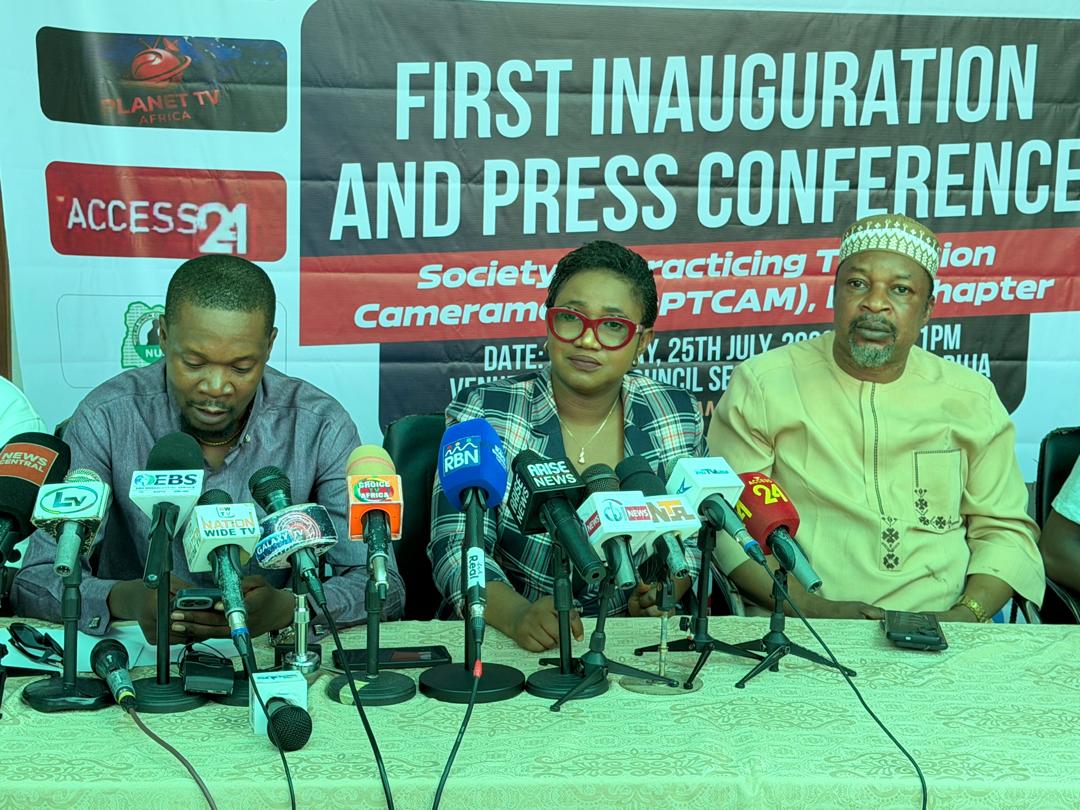
NUJ FCT charges new SOPTCAM executives to raise standards, embrace digital innovation

News2 days ago
FCT Police Commissioner’s son, Ahmed Sharafadeen Sanusi, weds in Katsina

News2 days ago
Projects, performance, and people: Obi Aguocha’s re-Election argument

News2 days ago
Nigeria Police Force to strengthen Complaint Response Unit, boost media engagement

National News3 days ago
NGF commends Tinubu over expansion of Nigerian Army

Sports3 days ago
CAS fixes October 8 hearing in Senegal’s challenge to Morocco’s 2025 AFCON title

World News3 days ago
Nigeria, Seven African Nations hit with 12.5% US tariff

National News3 days ago
No kobo was released to controversial investment Council, Budget Office DG Tells Reps

Sports3 days ago
Ezuruike claims Silver to hand Nigeria first Commonwealth Games medal
National News3 days ago
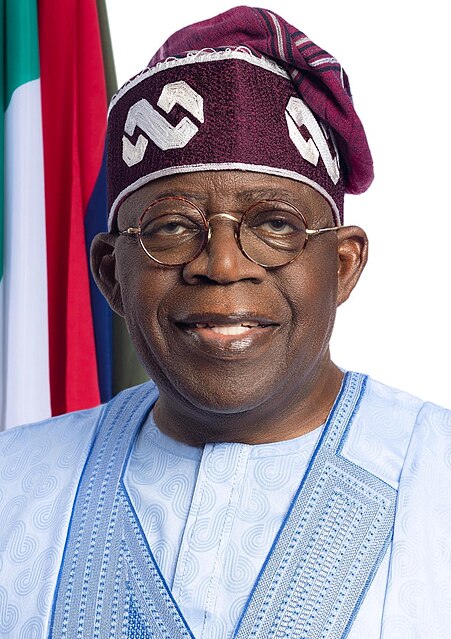
Tinubu approves expansion of Nigerian Army to 12 Divisions, authorises recruitment of 28,000 personnel
News2 days ago
Nigeria Police Force to strengthen Complaint Response Unit, boost media engagement
News2 days ago
Projects, performance, and people: Obi Aguocha’s re-Election argument
News2 days ago
FCT Police Commissioner’s son, Ahmed Sharafadeen Sanusi, weds in Katsina
News1 day ago
NUJ FCT charges new SOPTCAM executives to raise standards, embrace digital innovation
-
 News2 days ago
Nigeria Police Force to strengthen Complaint Response Unit, boost media engagement
-
 News2 days ago
Projects, performance, and people: Obi Aguocha’s re-Election argument
-
 News2 days ago
FCT Police Commissioner’s son, Ahmed Sharafadeen Sanusi, weds in Katsina
-
 News1 day ago
NUJ FCT charges new SOPTCAM executives to raise standards, embrace digital innovation