





World News
Chaos, internet blackout mar Uganda’s election as Museveni seeks 7th term

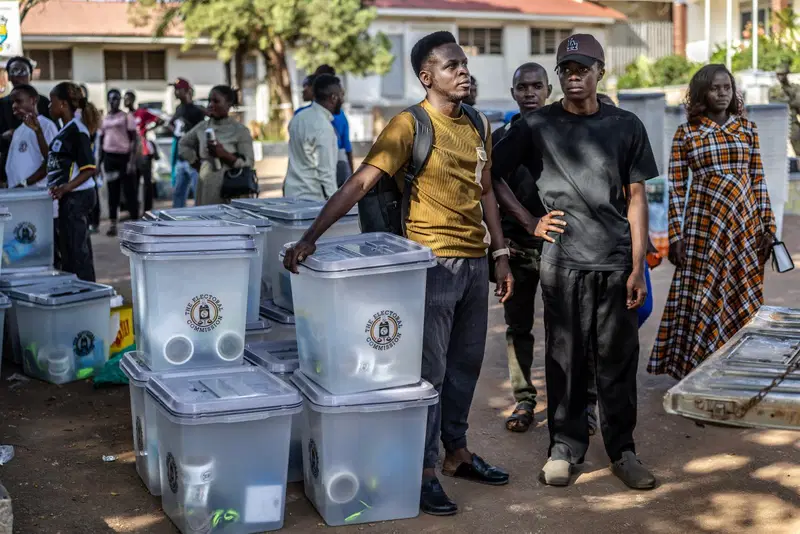
Voting in Uganda’s presidential election began on a troubled note on Thursday, with several polling stations yet to open hours after the official start time, as President Yoweri Museveni moves to extend his decades-long grip on power.
Reports from across the country indicated widespread delays, faulty voting equipment and heightened security presence, all unfolding against the backdrop of a nationwide internet shutdown imposed by the government earlier in the week.
Museveni, 81, who has ruled Uganda for nearly four decades, is seeking another term in office and is widely tipped to emerge victorious, largely due to his firm control of state institutions and the security apparatus.
His strongest challenger is Bobi Wine, the 43-year-old musician-turned-politician who has gained massive support among young voters and urban residents, particularly in Kampala, where he is popularly known as the “ghetto president.”
Election observers and voters reported that voting materials arrived late in several locations, while biometric machines meant to verify voters’ identities malfunctioned, preventing accreditation from commencing on schedule.
An election observer in Jinja, eastern Uganda, said many polling units were unable to begin voting because the verification kits failed to function properly.
“There is a delay in opening polling stations due to the failure of voter identification machines,” the observer said.
A ruling party official, who spoke anonymously, confirmed that the technical issues were widespread, admitting uncertainty over whether the problems were linked to the ongoing internet blackout.
Despite earlier assurances, the Ugandan government shut down internet access nationwide on Tuesday, citing concerns over misinformation and potential violence. The move has drawn criticism from local activists and international observers.
Bobi Wine’s legal adviser and parliamentary candidate, George Musisi, alleged that the delays were deliberate, aimed at discouraging voter turnout. However, similar problems were also reported in areas considered strongholds of the ruling party.
Some voters expressed concern that the irregular start could undermine confidence in the electoral process.
“I am worried because people may lose trust in the outcome,” said a Kampala-based artisan who had been waiting for hours to vote.
Tight Security, Rising Tensions
The election has been preceded by intense political tension, with security agencies cracking down on opposition activities. Hundreds of Bobi Wine’s supporters were reportedly arrested in the days leading up to the vote.
Wine himself has repeatedly accused the government of plotting to rig the election, describing the process as a battle for Uganda’s future and vowing to challenge the outcome if it lacks credibility.
The United Nations has described the internet shutdown as “deeply worrying,” warning that it could undermine transparency and public trust in the electoral process.
Another opposition figure, Kizza Besigye, who has contested against Museveni in four previous elections, is currently facing a treason trial after being forcibly returned to Uganda from Kenya in 2024.
Despite the criticism, Museveni retains strong support among sections of the population who credit him with restoring stability after years of post-independence turmoil and overseeing economic growth, even as corruption scandals persist.
Security forces were heavily deployed in major cities, with police warning against protests and unrest, as authorities sought to prevent demonstrations similar to those recently witnessed in neighbouring countries.
Rights groups have condemned the suspension of several civil society organisations, including election monitors, while journalists covering the polls have reported harassment.
As voting continues amid uncertainty, many Ugandans and international observers are closely watching developments in what has become one of the country’s most closely contested and controversial elections in years.














News4 hours ago
South African Army chief visits Nigerian military institutions to strengthen cooperation

News4 hours ago
Five rescued, three dead as bus plunges into river in Ibadan

News4 hours ago
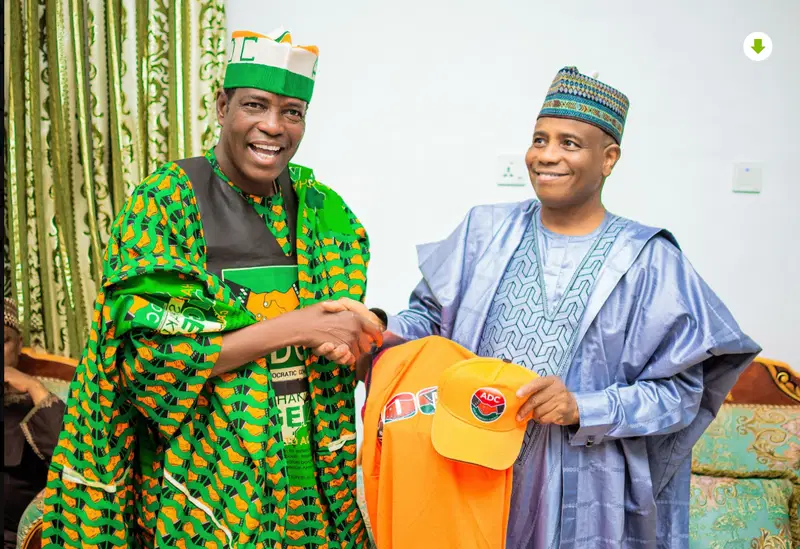
Aminu Tambuwal defects to ADC, cites PDP crisis

News5 hours ago
FRSC Corps Marshal effects strategic shake-up, appoints new ACM Operations, Corps Spokesperson, others

News6 hours ago
Celebrating Funke Ishola: A Trailblazer and pillar of empowerment

Uncategorized6 hours ago
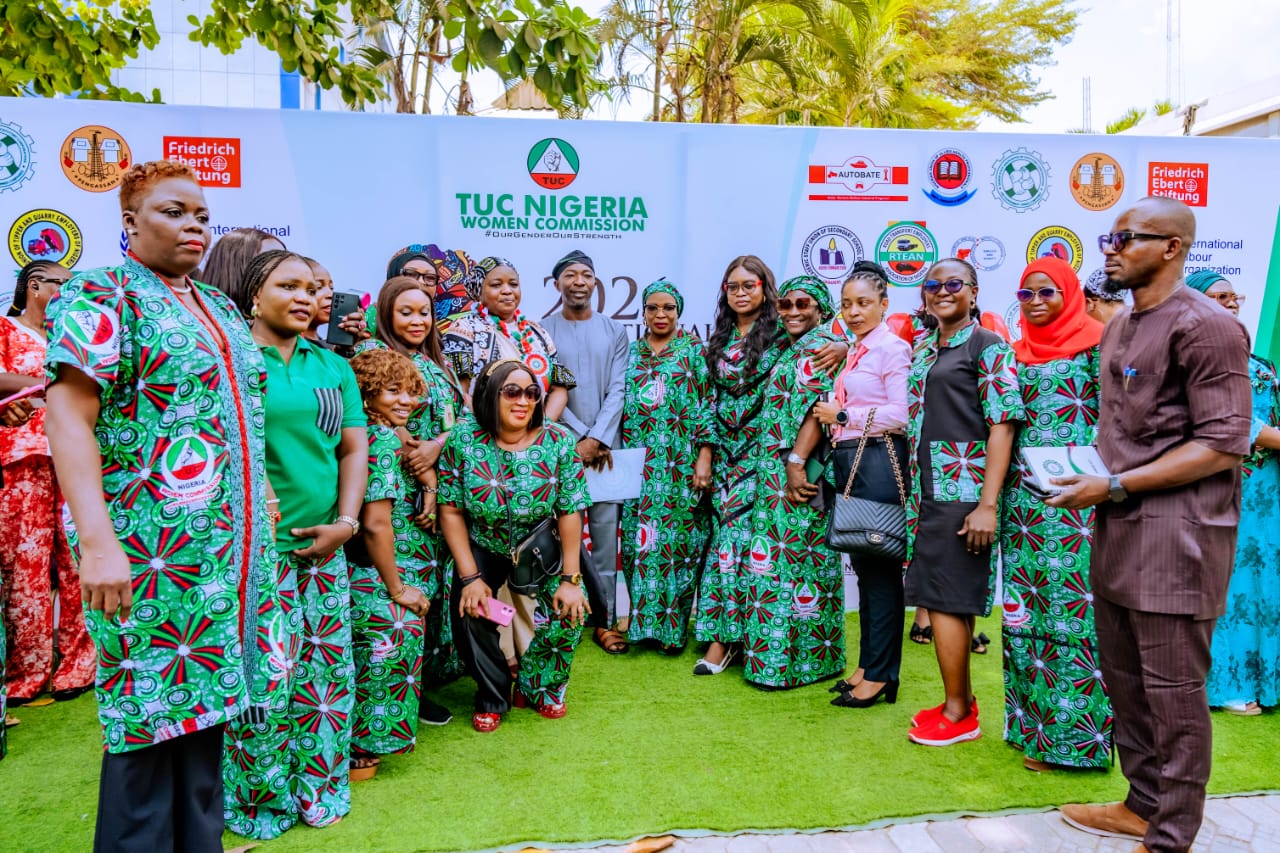
Empowering Women: Economic, social necessity –Faleye

National News20 hours ago
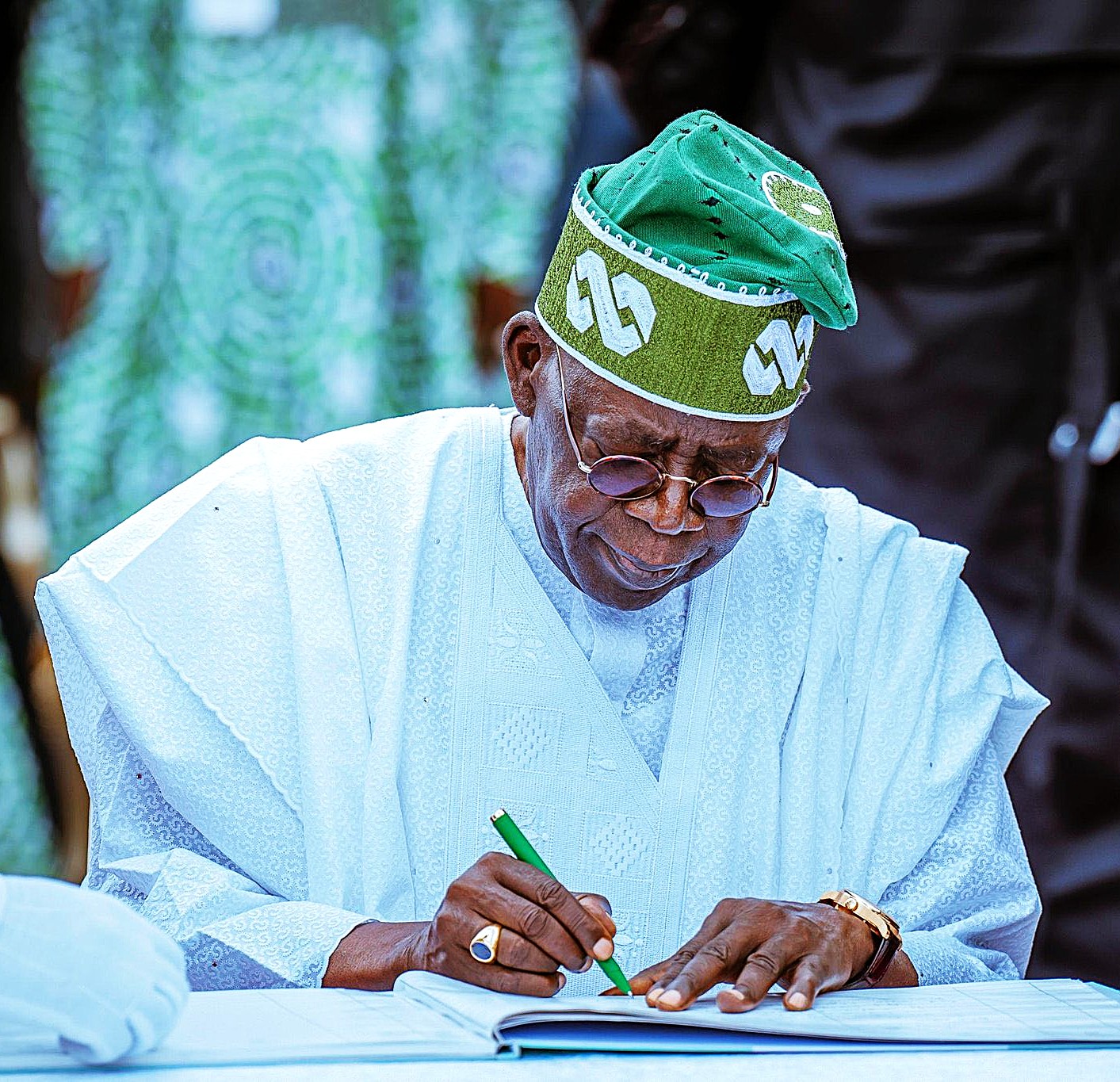
Tinubu nominates Lamido Yuguda as CBN Deputy Governor

National News20 hours ago
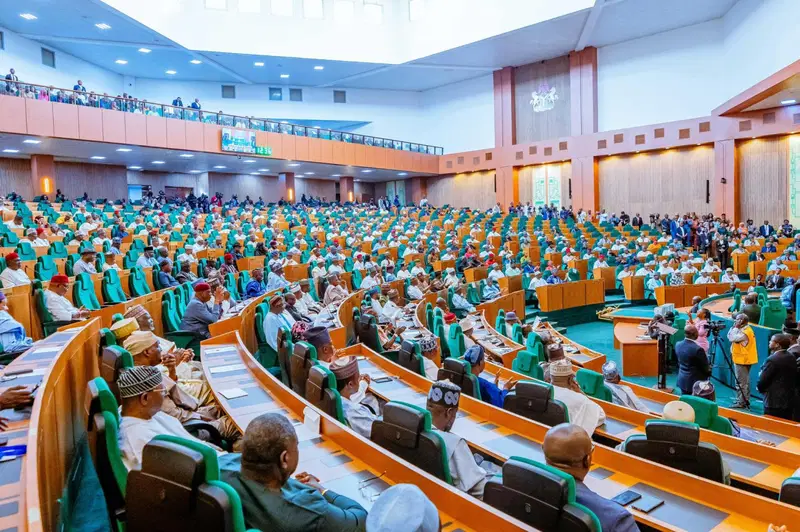
Reps amend electoral act 2026, impose N10m fine for dual party membership

Sports20 hours ago
Iran pulls out of 2026 FIFA World Cup amid escalating conflict

National News1 day ago
Defence Minister urges media responsibility, warns against aiding terrorists

News2 days ago
Controversy trails Nigeria’s delegation to UN Women’s conference

Sports1 day ago
Kano Governor sacks Head of Service Abdullahi Musa

News2 days ago
Sheikh Gumi claims government knows identities, locations of terrorists
Uncategorized6 hours ago
Empowering Women: Economic, social necessity –Faleye

News1 day ago
Iran warns protesters supporting foreign enemies will be treated as ‘enemies’
News6 hours ago
Celebrating Funke Ishola: A Trailblazer and pillar of empowerment

News1 day ago
Traders shut down Lagos International Trade Fair Complex over takeover concerns

News2 days ago
Troops repel Boko Haram attack on military base in Borno

News2 days ago
Women deserve more support, not just celebration — Dr Fasawe

Sports1 day ago
Flying Eagles midfielder Daniel Daga sentenced to six months in Norway
-
 News2 days ago
Controversy trails Nigeria’s delegation to UN Women’s conference
-
 News2 days ago
Sheikh Gumi claims government knows identities, locations of terrorists
-
 Sports1 day ago
Kano Governor sacks Head of Service Abdullahi Musa
-
 News1 day ago
Iran warns protesters supporting foreign enemies will be treated as ‘enemies’
-
 Uncategorized6 hours ago
Empowering Women: Economic, social necessity –Faleye
-
 News1 day ago
Traders shut down Lagos International Trade Fair Complex over takeover concerns
-
 News2 days ago
Troops repel Boko Haram attack on military base in Borno
-
 News2 days ago
Women deserve more support, not just celebration — Dr Fasawe