




National News
FG begins strategic review of tariff policies to boost local production, cut business costs


The Federal Government has commenced a strategic review of Nigeria’s tariff policies as part of efforts to encourage local production, protect domestic industries and ease the cost of doing business.
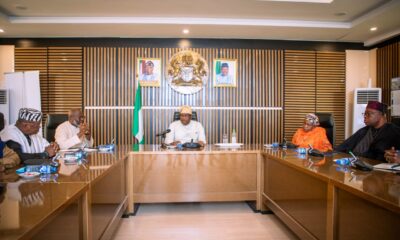
The move followed a high-level meeting involving the Tariffs Review Board and the Minister of State for Finance, Dr Doris Uzoka-Anite, where existing tariff regimes were examined against the backdrop of rising production costs, foreign exchange pressures and global trade volatility.
Discussions at the meeting centred on supporting the Federal Government’s industrialisation agenda, addressing the challenges faced by local manufacturers, and ensuring a balanced tariff framework that allows access to essential imports while strengthening Nigeria’s local value chains.
Uzoka-Anite said the review forms part of the government’s broader strategy to stimulate industrial growth and enhance economic competitiveness, stressing the administration’s commitment to data-driven policymaking and reforms aimed at building a resilient, inclusive and competitive economy.
She explained that the goal is to reposition tariffs as tools for economic development rather than barriers to productivity, with emphasis on encouraging domestic manufacturing, protecting home-grown industries and reducing operational costs across key sectors.
“Our objective is to create a tariff regime that supports local manufacturers, strengthens value chains and promotes sustainable industrial expansion,” Uzoka-Anite said.
“This means striking a careful balance between meeting essential import needs and protecting domestic industries from unfair competition.”
According to a statement issued after the meeting, the government is seeking a more responsive tariff structure aligned with its industrialisation drive, while maintaining market stability amid an increasingly uncertain global trade environment.
Key issues deliberated included tariff-related bottlenecks affecting manufacturers, especially sectors dependent on imported raw materials and intermediate goods. Participants also explored options for fiscal relief to cushion domestic producers grappling with high input costs, with the aim of boosting output, preserving jobs and improving competitiveness.
The meeting underscored the importance of empirical evidence in shaping tariff adjustments, with consensus that decisions must be guided by data on their impact on production costs, consumer prices and employment.
By fine-tuning these fiscal levers, the Federal Government hopes to unlock industrial capacity, attract investment and deepen local value addition across the economy.











News3 hours ago
Chimamanda Adichie’s Child: Three doctors suspended over negligence

World News3 hours ago
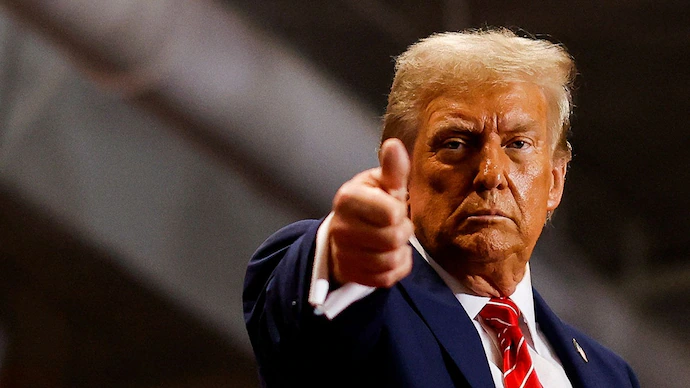
Trump threatens trade action against Spain, criticizes UK over Iran crisis

News3 hours ago
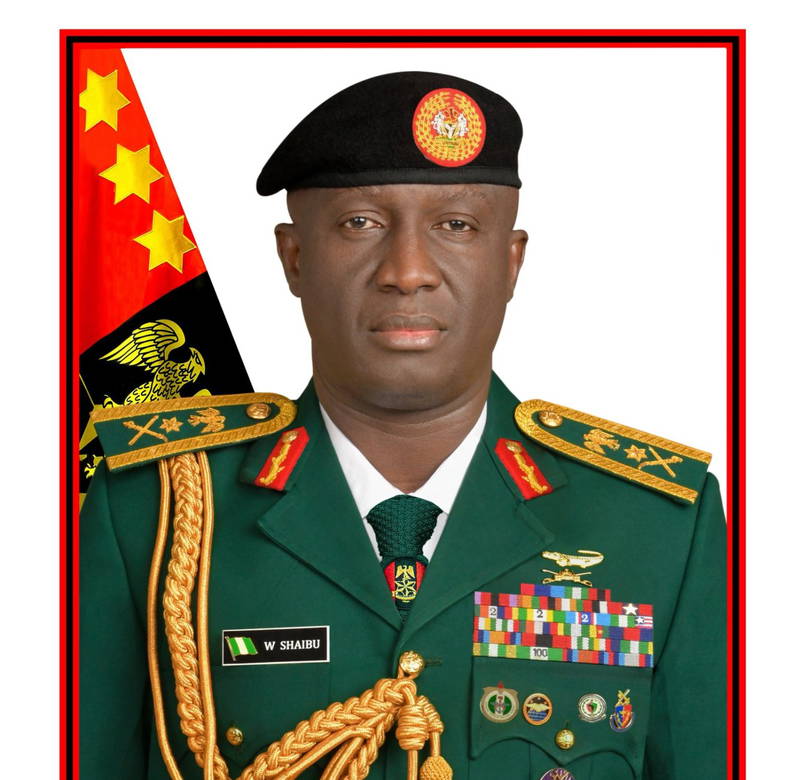
Nigerian Army Chief vows strengthened security in Benue

News3 hours ago
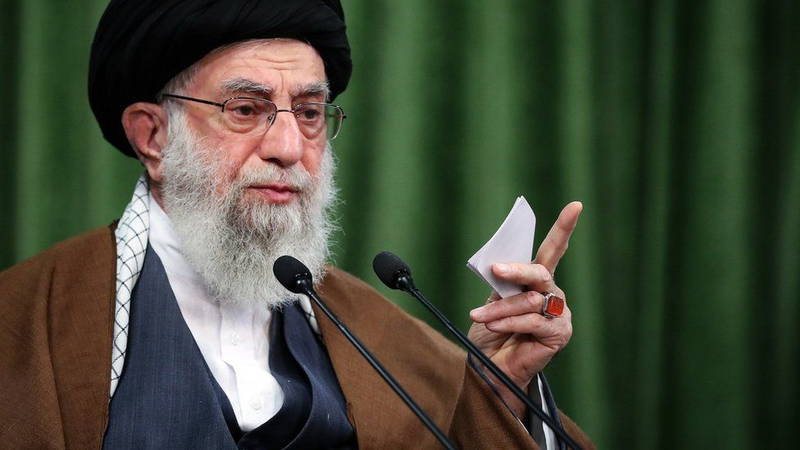
Iran’s Supreme Leader Khamenei to be buried in Mashhad amid security concerns

News3 hours ago
Cristiano Ronaldo sidelined with hamstring injury, World Cup spot unaffected

National News4 hours ago
JRB bans roadblocks for tax collection, unveils new presumptive tax rules

National News4 hours ago
National Assembly postpones plenary resumption to March 10

NUJ FCT4 hours ago
NUJ FCT Chairman Grace Ike congratulates Publisher Phenomenal People Magazine Evelyn Onyilo on her Birthday

News7 hours ago
China-Nigeria Women’s Carnival strengthens cultural ties at Lantern Festival in Abuja

News8 hours ago
Electoral Reform Act: Group calls for immediate amendment to protect real-time results transmission
News7 hours ago
China-Nigeria Women’s Carnival strengthens cultural ties at Lantern Festival in Abuja

News2 days ago
Four killed in Ramadan alms stampede in Katsina

World News1 day ago
China backs Iran’s ‘self-defence’ as middle East war escalates

News2 days ago
Northern states witness protests over Iran leader’s death

News1 day ago
Ireti Kingibe won’t return to Senate in 2027, Wike declares

Metro1 day ago
NAF neutralises senior terrorists in Sambisa air strikes

News1 day ago
Iyabo Obasanjo joins APC, declares Ogun governorship ambition

News2 days ago
2027: INEC assures electronic result transmission, says perfect poll not guaranteed

News2 days ago
ICPC defends El-Rufai’s detention, alleges wiretapping devices found

News14 hours ago
PENGASSAN members protest at Shell office over unresolved CBA issues
-
 News7 hours ago
China-Nigeria Women’s Carnival strengthens cultural ties at Lantern Festival in Abuja
-
 News2 days ago
Four killed in Ramadan alms stampede in Katsina
-
 World News1 day ago
China backs Iran’s ‘self-defence’ as middle East war escalates
-
 News2 days ago
Northern states witness protests over Iran leader’s death
-
 News1 day ago
Ireti Kingibe won’t return to Senate in 2027, Wike declares
-
 Metro1 day ago
NAF neutralises senior terrorists in Sambisa air strikes
-
 News1 day ago
Iyabo Obasanjo joins APC, declares Ogun governorship ambition
-
 News2 days ago
2027: INEC assures electronic result transmission, says perfect poll not guaranteed