



World News
Iran tells UN it will not submit to ‘lawless aggression’

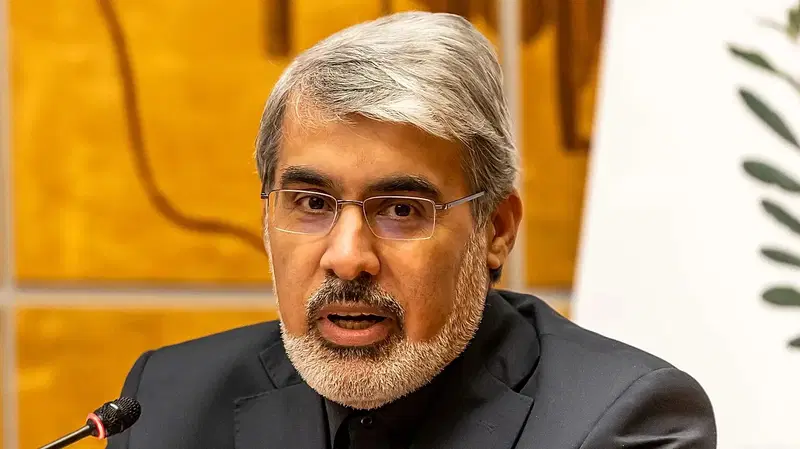
Iran has told the United Nations that it will not submit to what it described as “lawless aggression,” warning that its citizens are facing serious danger following military strikes by the United States and Israel.
Speaking at a session of the UN Human Rights Council in Geneva, Iran’s ambassador to the United Nations in Geneva, Ali Bahreini, said the most urgent human rights concern for the country was the threat posed by the ongoing Middle East conflict.
According to him, the lives of about 90 million Iranians are under serious threat due to what he described as reckless military aggression carried out by powerful actors on the international stage.
Bahreini argued that the international community should focus on the humanitarian consequences of the war rather than Iran’s domestic political issues.
He warned that if such actions were ignored by the international community, other countries could face similar treatment in the future.
The current conflict began on February 28 when the United States and Israel launched military strikes on Iran, prompting retaliatory actions by the Islamic Republic across parts of the Middle East.
During the session, Bahreini urged the council to examine what he described as indiscriminate attacks on Iranian cultural heritage and civilian targets, including an alleged missile strike on a school in the southern Iranian city of Minab.
Iran has accused the United States and Israel of carrying out the attack, which it said caused civilian casualties. Washington, however, said it is investigating the incident.
The ambassador stated that more than 1,300 people have been killed in Iran while over 7,000 others have been injured since the strikes began.
He stressed that Iran would not submit to intimidation or coercion, insisting that the country would defend itself against external aggression.
Meanwhile, the six member states of the Gulf Cooperation Council, along with Jordan, condemned Iran’s attacks on their territories, saying such actions threaten regional security and civilian lives.
The UN Human Rights Council meeting included an interactive dialogue between member states and investigators examining the human rights situation in Iran.
The UN Special Rapporteur on human rights in Iran, Mai Sato, also raised concerns about Tehran’s crackdown on nationwide protests that began on December 28.
She said more than 7,000 deaths had been reported by civil society groups during the protests, describing the events as part of a long-standing pattern of repression.
Sato also expressed concern about violations of medical neutrality, noting that hospitals were reportedly raided, wounded protesters were arrested from their beds, and medical workers were assaulted or detained.
According to her, these actions created a situation in which injured protesters feared seeking treatment.
She added that the United States and Israeli strikes remain unlawful regardless of the stated objectives.
The Independent International Fact-Finding Mission on Iran also warned that the ongoing war in the Middle East could worsen domestic repression inside the country.










World News26 seconds ago
Iran tells UN it will not submit to ‘lawless aggression’

Entertainment4 minutes ago
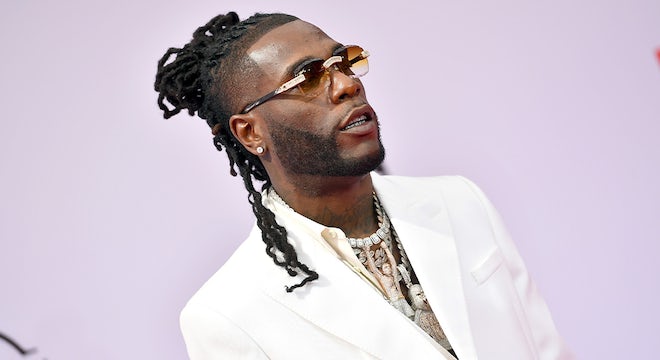
Burna Boy sets record with $3.1m Oceania Tour revenue

Sports8 minutes ago
Chelsea fined £10.75m over historical transfer payments

News9 minutes ago
INEC calls for mass voter education ahead of 2027 elections

News11 minutes ago
Passengers injured as Abuja–Kaduna train suffers mid-journey incident

News6 hours ago
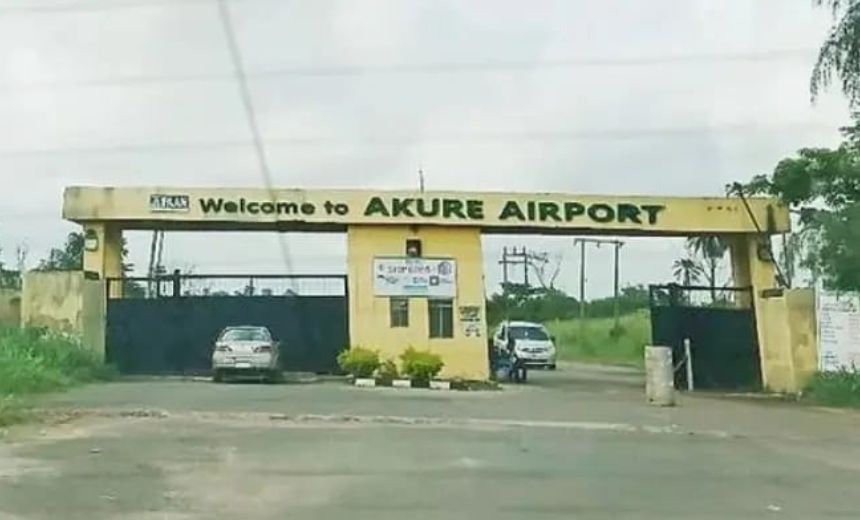
FAAN, Military apprehend bandits near Akure Airport runway

Sports7 hours ago
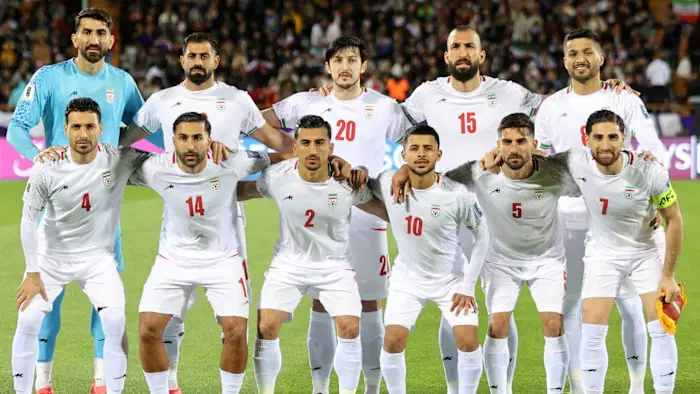
Iran Men’s Football team set to participate in W’Cup despite safety warnings

World News7 hours ago
Middle East conflict drives oil prices higher amid supply disruptions

News7 hours ago
Zamfara Educator killed in bandit kidnapping despite ransom paid

News7 hours ago
Zamfara Gov approves Managing Director for new International Airport

News2 days ago
Fasawe, NUJ President seek philanthropists’ sponsor of health insurance for journalists

NUJ FCT2 days ago
Fasawe, NUJ President urge philanthropists to sponsor health insurance for journalists as NUJ FCT launches scheme

News2 days ago
IGP Disu commends FCT Journalists, seeks stronger Police–Media partnership

FCT News1 day ago
Journalists are professionals deserving Respect- IGP Disu

Sports8 hours ago
FIFA fines Nigeria, DR Congo over match misconduct

FCT News23 hours ago
Police recover stolen vehicle, arrest suspect in Abuja

NUJ FCT2 days ago
NUJ FCT raises alarm over fuel prices, water scarcity, security
News9 minutes ago
INEC calls for mass voter education ahead of 2027 elections

National News8 hours ago
Tinubu directs nationwide rice distribution for Ramadan, Lent

World News8 hours ago
Trump: US in talks with Iran, but Tehran not ready for deal
-
 News2 days ago
Fasawe, NUJ President seek philanthropists’ sponsor of health insurance for journalists
-
 NUJ FCT2 days ago
Fasawe, NUJ President urge philanthropists to sponsor health insurance for journalists as NUJ FCT launches scheme
-
 News2 days ago
IGP Disu commends FCT Journalists, seeks stronger Police–Media partnership
-
 FCT News1 day ago
Journalists are professionals deserving Respect- IGP Disu
-
 FCT News23 hours ago
Police recover stolen vehicle, arrest suspect in Abuja
-
 Sports8 hours ago
FIFA fines Nigeria, DR Congo over match misconduct
-
 NUJ FCT2 days ago
NUJ FCT raises alarm over fuel prices, water scarcity, security
-

 News23 hours ago
IGP Disu urges Police Officers to uphold integrity during surprise visit to NUJ FCT