






National News
JRB bans roadblocks for tax collection, unveils new presumptive tax rules

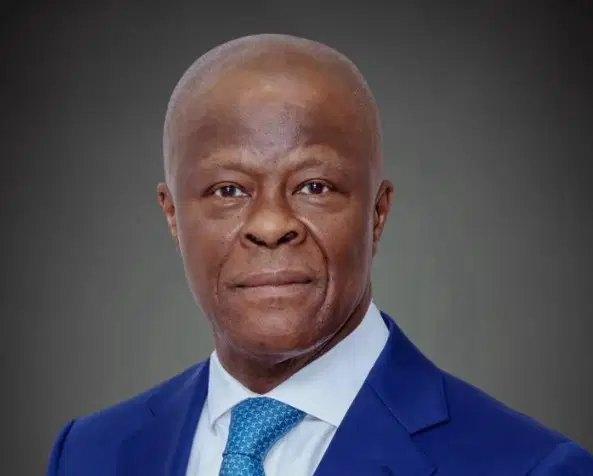
The Joint Revenue Board (JRB) has outlawed the use of roadblocks for tax collection across the country as part of the rollout of new Presumptive Tax Regulations.
The regulations were unveiled by the Minister of Finance and Coordinating Minister of the Economy, Wale Edun, as part of efforts to streamline tax administration and protect small businesses from harassment.
The Executive Secretary of the JRB, Olusegun Adesokan, explained that the new framework provides a harmonised and coordinated approach to tax collection nationwide, ensuring that businesses are not disrupted in the process.
Exemptions and 1% Turnover Tax
Under the new rules, nano and small businesses with annual turnover of ₦12 million and below are exempted from the presumptive tax. Other informal businesses above that threshold will pay a flat 1% tax on turnover.
The framework is designed to protect small enterprises, encourage growth, and broaden the tax base in what officials describe as a fair and transparent manner.
Speaking at the launch, Edun said the reforms aim to formalise small businesses and integrate them gradually into the structured economy.
“These regulations ensure transparency, fairness, and economic inclusion. They formalize a pathway for small businesses to grow and eventually enter the formal economy, contributing to sustainable national growth,” he said.
Growth Targets and Economic Vision
The minister noted that Nigeria’s Gross Domestic Product (GDP) recorded over four per cent growth in the last quarter of 2025, adding that the administration is targeting seven per cent growth in the near term.
He linked the tax reforms to the broader economic ambition of achieving a $1 trillion economy by 2030.
Edun further stated that tax administration under the new system would be coordinated across federal, state, and local governments, with oversight mechanisms to ensure fairness and compliance. An Ombudsman framework, he added, will monitor implementation and address complaints.
“This is a growth-oriented system designed to create jobs, support small and medium enterprises, and promote investment from Nigerians at home and in the diaspora,” the minister said.
The move to ban roadside tax enforcement is expected to bring relief to traders and transporters who have long complained about multiple taxation and extortion on highways.















News30 minutes ago
Chimamanda Adichie’s Child: Three doctors suspended over negligence

World News35 minutes ago
Trump threatens trade action against Spain, criticizes UK over Iran crisis

News37 minutes ago
Nigerian Army Chief vows strengthened security in Benue

News53 minutes ago
Iran’s Supreme Leader Khamenei to be buried in Mashhad amid security concerns

News1 hour ago
Cristiano Ronaldo sidelined with hamstring injury, World Cup spot unaffected

National News1 hour ago
JRB bans roadblocks for tax collection, unveils new presumptive tax rules

National News1 hour ago
National Assembly postpones plenary resumption to March 10

NUJ FCT1 hour ago
NUJ FCT Chairman Grace Ike congratulates Publisher Phenomenal People Magazine Evelyn Onyilo on her Birthday

News4 hours ago
China-Nigeria Women’s Carnival strengthens cultural ties at Lantern Festival in Abuja

News6 hours ago
Electoral Reform Act: Group calls for immediate amendment to protect real-time results transmission
News4 hours ago
China-Nigeria Women’s Carnival strengthens cultural ties at Lantern Festival in Abuja

News2 days ago
Four killed in Ramadan alms stampede in Katsina

World News1 day ago
China backs Iran’s ‘self-defence’ as middle East war escalates

News2 days ago
Northern states witness protests over Iran leader’s death

News1 day ago
Ireti Kingibe won’t return to Senate in 2027, Wike declares

News1 day ago
Iyabo Obasanjo joins APC, declares Ogun governorship ambition

Metro1 day ago
NAF neutralises senior terrorists in Sambisa air strikes

News2 days ago
2027: INEC assures electronic result transmission, says perfect poll not guaranteed

News2 days ago
ICPC defends El-Rufai’s detention, alleges wiretapping devices found

News2 days ago
Troops repel ISWAP attacks on Borno bases, Army major killed
-
 News4 hours ago
China-Nigeria Women’s Carnival strengthens cultural ties at Lantern Festival in Abuja
-
 World News1 day ago
China backs Iran’s ‘self-defence’ as middle East war escalates
-
 News2 days ago
Four killed in Ramadan alms stampede in Katsina
-
 News1 day ago
Ireti Kingibe won’t return to Senate in 2027, Wike declares
-
 News2 days ago
Northern states witness protests over Iran leader’s death
-
 Metro1 day ago
NAF neutralises senior terrorists in Sambisa air strikes
-
 News1 day ago
Iyabo Obasanjo joins APC, declares Ogun governorship ambition
-
 News2 days ago
2027: INEC assures electronic result transmission, says perfect poll not guaranteed