
World News
Middle East conflict drives oil prices higher amid supply disruptions

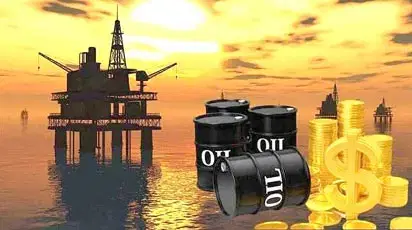
Oil prices continued their upward trend as markets opened on Sunday amid ongoing disruptions to global supplies caused by the Middle East conflict.
At 0015 GMT, West Texas Intermediate (WTI), the US benchmark, was marginally higher by 0.01% at $98.72 per barrel, while Brent crude, the international benchmark, rose 0.6% to $103.76 per barrel.
Stock markets in Asia showed mixed reactions: South Korea’s Kospi gained 1.3% in early trade, while Japan’s Nikkei remained flat.
The surge in oil prices—up 40 to 50% since the February 28 US-Israeli attacks on Iran—has been fueled by production cuts from Gulf states and blockades affecting oil tankers. The Strait of Hormuz, a key shipping route handling about 20% of global oil and gas exports, remains effectively closed.
US Energy Secretary Chris Wright described the situation as “short-term pain,” noting that prices have risen sharply but expressing hope that the conflict could conclude in “the next few weeks.” Meanwhile, the International Energy Agency (IEA) warned that the crisis represents the largest supply disruption in the history of the global oil market.
Strikes on Iranian facilities, including the major oil export hub of Kharg Island, have further tightened supplies, stoking fears of slower economic growth and rising inflation worldwide.






News28 minutes ago
FAAN, Military apprehend bandits near Akure Airport runway

Sports1 hour ago
Iran Men’s Football team set to participate in W’Cup despite safety warnings

World News1 hour ago
Middle East conflict drives oil prices higher amid supply disruptions

News1 hour ago
Zamfara Educator killed in bandit kidnapping despite ransom paid

News1 hour ago
Zamfara Gov approves Managing Director for new International Airport

FCT News1 hour ago
Fear grips FCT Communities after suspected bandits issue warning

Sports2 hours ago
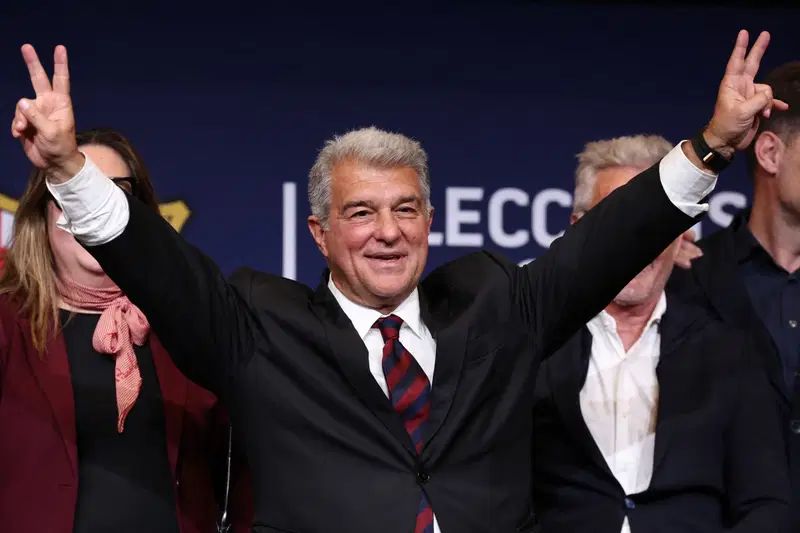
Joan Laporta reelected Barcelona President until 2031

World News2 hours ago
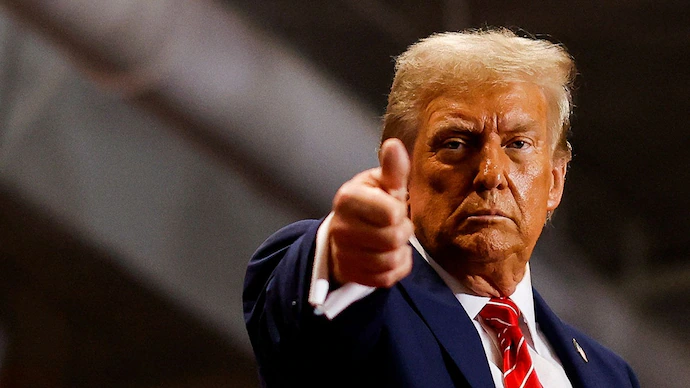
Trump: US in talks with Iran, but Tehran not ready for deal

National News2 hours ago
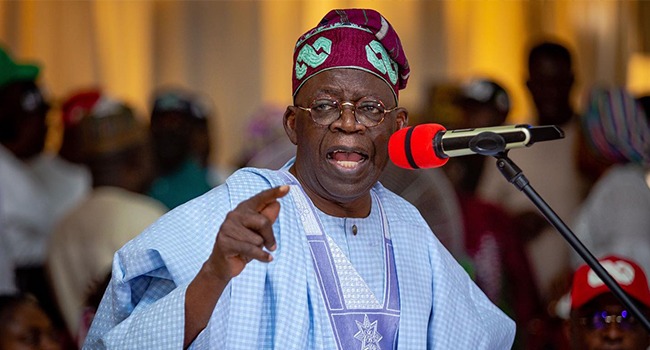
Tinubu directs nationwide rice distribution for Ramadan, Lent

Sports2 hours ago
FIFA fines Nigeria, DR Congo over match misconduct

News2 days ago
Fasawe, NUJ President seek philanthropists’ sponsor of health insurance for journalists

NUJ FCT2 days ago
Fasawe, NUJ President urge philanthropists to sponsor health insurance for journalists as NUJ FCT launches scheme

News2 days ago
IGP Disu commends FCT Journalists, seeks stronger Police–Media partnership

FCT News1 day ago
Journalists are professionals deserving Respect- IGP Disu

FCT News17 hours ago
Police recover stolen vehicle, arrest suspect in Abuja
Sports2 hours ago
FIFA fines Nigeria, DR Congo over match misconduct

NUJ FCT2 days ago
NUJ FCT raises alarm over fuel prices, water scarcity, security

News17 hours ago
IGP Disu urges Police Officers to uphold integrity during surprise visit to NUJ FCT
National News2 hours ago
Tinubu directs nationwide rice distribution for Ramadan, Lent
World News2 hours ago
Trump: US in talks with Iran, but Tehran not ready for deal
-
 News2 days ago
Fasawe, NUJ President seek philanthropists’ sponsor of health insurance for journalists
-
 NUJ FCT2 days ago
Fasawe, NUJ President urge philanthropists to sponsor health insurance for journalists as NUJ FCT launches scheme
-
 News2 days ago
IGP Disu commends FCT Journalists, seeks stronger Police–Media partnership
-
 FCT News1 day ago
Journalists are professionals deserving Respect- IGP Disu
-
 FCT News17 hours ago
Police recover stolen vehicle, arrest suspect in Abuja
-
 Sports2 hours ago
FIFA fines Nigeria, DR Congo over match misconduct
-
 NUJ FCT2 days ago
NUJ FCT raises alarm over fuel prices, water scarcity, security
-
 News17 hours ago
IGP Disu urges Police Officers to uphold integrity during surprise visit to NUJ FCT