
World News
Water, Opportunity and the road to Abu Dhabi

A planting season begins with decisions made long before the first seed enters the soil. What should be grown? When should planting begin? Will enough water be available to carry the crop through to harvest? For a farmer, the answers can determine not only the success of a season but also a family’s income and the ability to invest in the next one.
The same questions extend far beyond agriculture. A power plant needs water to generate electricity, just as energy is needed to treat, pump and deliver water. A factory depends on reliable water supplies to maintain production. Hospitals need safe, uninterrupted access to water to provide essential care. And as cities grow, so too does the demand for water infrastructure capable of serving expanding populations. In each case, water availability influences what can be produced, what can be sustained and how confidently economies can plan for the future. It is not simply a resource supporting development; it is one of the foundations on which development depends.
In just over a month, these connections will take centre stage in Abu Dhabi, where the United Arab Emirates and the Republic of Senegal will co-host the 2026 United Nations Water Conference from 8 to 10 December. Its mandate is clear: to accelerate the implementation of Sustainable Development Goal 6, ensuring the availability and sustainable management of water and sanitation for all. Achieving that goal will also help advance progress across energy, food systems, health, industry, and environmental sustainability.
For Nigeria, these relationships are particularly significant. Water supports agricultural livelihoods, contributes to electricity generation, enables industrial activity, and underpins essential services. Its management is closely connected to ambitions for economic diversification, productive investment, and healthier communities. Nigeria’s experience across these areas can make a valuable contribution to discussions about how water can better support national development
The UAE brings lessons shaped by a different environment. In an arid country, meeting the needs of a growing population and economy has required sustained investment in infrastructure, technical expertise, and efficiency. The relationship between water and energy has been especially important, reinforcing the need to consider resource use, technology, and long-term sustainability together.
These experiences point to a common lesson: decisions in one sector can have consequences across several others. More efficient water treatment can reduce energy requirements. Renewable energy can support water services. Wastewater reuse can ease pressure on freshwater supplies while meeting appropriate agricultural, industrial, and urban needs. Protecting ecosystems helps sustain the resources on which communities and economic activity depend.
Realising these benefits requires planning that recognises such connections. It also requires solutions suited to local conditions. A technology’s value depends on its affordability, reliable operation, maintenance, and the skills available to sustain it. International cooperation can help countries assess their options and draw on wider experience while pursuing their own priorities.
This understanding informs the UAE’s water-related efforts. The Mohamed bin Zayed Water Initiative supports innovation and international cooperation to address global water scarcity, with an emphasis on practical, scalable solutions. Its work reflects the importance of expanding the options available and helping promising technologies move towards effective use.
Turning those possibilities into functioning services also requires finance. The Abu Dhabi Global Water Platform, launched by the Abu Dhabi Fund for Development, aims to mobilise USD 2 billion. ADFD is allocating an initial USD 1 billion over 2026–2030, targeting approximately 10 million beneficiaries worldwide. The platform addresses a critical part of the implementation challenge: connecting investment with projects that can deliver sustainable benefits over time.
Those benefits are ultimately measured in people’s lives. Suqia UAE, whose work has helped provide access to safe water for approximately 15 million people across 37 countries, illustrates that human purpose. Access can mean healthier conditions at home, less time spent collecting water, and greater opportunity for education and work.
Together, these efforts illustrate the priorities the UAE brings to co-hosting the conference: advancing innovation, mobilising financing, and keeping people’s needs at the centre of implementation. They also demonstrate why water requires engagement beyond the institutions directly responsible for it. Energy providers, industrial businesses, agricultural producers, health authorities, and urban planners all have a stake in how water is managed.
The opportunity in Abu Dhabi is to bring these perspectives together around practical action. Closer dialogue between sectors can help identify investments with wider benefits, anticipate competing demands, and improve the use of available resources. Financial institutions, researchers, businesses, and civil society can contribute the expertise and capabilities needed to support national plans.
Nigeria’s participation can enrich this exchange. Its policymakers, practitioners, researchers, and entrepreneurs bring knowledge of serving diverse communities and managing the demands of a large, dynamic economy. Their experience can help ground discussions in the realities of delivery: how to sustain services, strengthen technical capacity, and make effective solutions accessible.
With 2030 approaching, the Conference must help accelerate implementation through stronger partnerships, greater investment, and innovation that responds to real needs. Its significance will lie in how effectively it connects the global water agenda with the decisions shaping economies and communities every day.
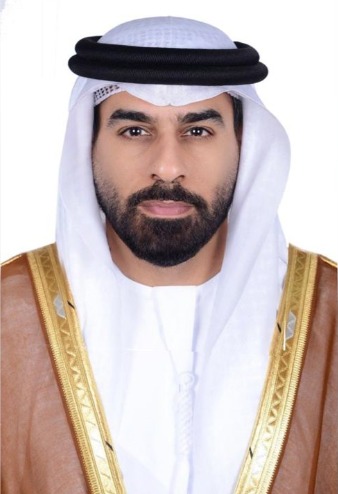
As Ambassador of the UAE to Nigeria, I look forward to Nigeria’s contribution to this shared endeavour. Our countries bring different strengths and perspectives, alongside a common interest in translating sustainable development ambitions into lasting opportunity.
The farmer planning a harvest, the engineer operating a power plant, the business owner expanding production, and the family relying on safe water all have a stake in that progress. Their futures are connected by the same resource. In Abu Dhabi, those connections must guide our work.
H.E. Salem Saeed Al Shamsi
Ambassador of the United Arab Emirates to the Federal Republic of Nigeria and Permanent Representative of the UAE to the Economic Community of West African States (ECOWAS)


Water, Opportunity and the road to Abu Dhabi
‘It will be difficult to unseat Tinubu in 2027’ — Wike cites infrastructure projects

We Can’t Stay Indoors”: Sheda Farmers Face Double Heat Threat of Crop Loss and Health Risks

‘Don’t Let Anyone Deceive You, Tinubu Has Done a Lot for Jigawa’ — Presidential Aide

‘Deliver Your Ward for Tinubu, Get N10m’ — Wike Tells FCT Councillors

Presidency, Bashir Ahmad Fault Peter Obi Over Alleged Airport Incident With Flamingos

Shettima Lists Tinubu’s Projects in South-East, Seeks Renewed Mandate for 2027

ICPC Amends Charges Against Alleged Fake Presidential Council DG, Increases Counts to 36

Alleged Attack: Sowore Hounds, Blackmails Owner of Tawakalitu Restaurant To Release CCTV Footage To Him Or Be ‘Destroyed’

NAF Announces Major Leadership Shake-Up, Reassigns Senior Air Vice Marshals

Oborevwori urges Journalists to uphold accuracy, fairness ahead of 2027 elections
Shettima Lists Tinubu’s Projects in South-East, Seeks Renewed Mandate for 2027
We Can’t Stay Indoors”: Sheda Farmers Face Double Heat Threat of Crop Loss and Health Risks

Nkwoh Stuns Chinese Champion as NUJ Shines at 8th China-NUJ Table Tennis Friendship Tournament
NAF Announces Major Leadership Shake-Up, Reassigns Senior Air Vice Marshals
Alleged Attack: Sowore Hounds, Blackmails Owner of Tawakalitu Restaurant To Release CCTV Footage To Him Or Be ‘Destroyed’
‘Deliver Your Ward for Tinubu, Get N10m’ — Wike Tells FCT Councillors
‘Don’t Let Anyone Deceive You, Tinubu Has Done a Lot for Jigawa’ — Presidential Aide
‘It will be difficult to unseat Tinubu in 2027’ — Wike cites infrastructure projects
ICPC Amends Charges Against Alleged Fake Presidential Council DG, Increases Counts to 36
-
 News2 days ago
Oborevwori urges Journalists to uphold accuracy, fairness ahead of 2027 elections
-
 News21 hours ago
Shettima Lists Tinubu’s Projects in South-East, Seeks Renewed Mandate for 2027
-
 News18 hours ago
We Can’t Stay Indoors”: Sheda Farmers Face Double Heat Threat of Crop Loss and Health Risks
-
 News1 day ago
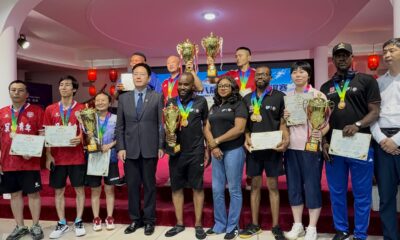
Nkwoh Stuns Chinese Champion as NUJ Shines at 8th China-NUJ Table Tennis Friendship Tournament
-
 News1 day ago
NAF Announces Major Leadership Shake-Up, Reassigns Senior Air Vice Marshals
-
 News22 hours ago
Alleged Attack: Sowore Hounds, Blackmails Owner of Tawakalitu Restaurant To Release CCTV Footage To Him Or Be ‘Destroyed’
-
 News21 hours ago
‘Deliver Your Ward for Tinubu, Get N10m’ — Wike Tells FCT Councillors
-
 News21 hours ago
‘Don’t Let Anyone Deceive You, Tinubu Has Done a Lot for Jigawa’ — Presidential Aide