





News
17 Die as Lassa Fever spreads across Eight States — NCDC

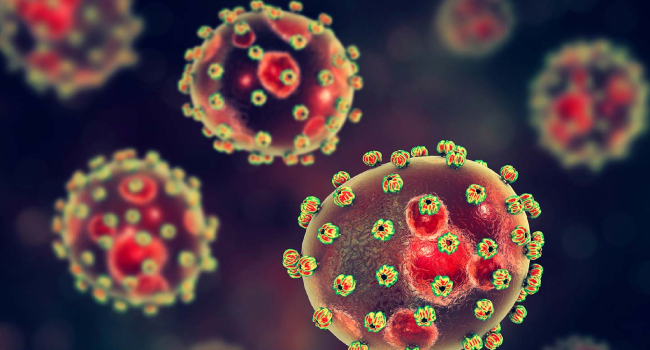
No fewer than 17 people have died from Lassa fever across eight states in Nigeria within the first three weeks of 2026, the Nigeria Centre for Disease Control (NCDC) has said.
The NCDC disclosed this in its weekly epidemiological report for Week Three, released on Thursday, noting that 93 confirmed cases were recorded during the period.
According to the agency, Bauchi, Taraba, Plateau, Ondo, Edo, Ebonyi, Benue and Nasarawa states reported new infections, with Bauchi accounting for 46 per cent of confirmed cases.
The report stated that Nigeria’s Case Fatality Rate (CFR) currently stands at 18.1 per cent, a marginal drop from the 18.2 per cent recorded during the same period in 2025.
The NCDC also revealed that four healthcare workers were infected in Week Three alone, underscoring the occupational risks faced by frontline medical personnel during the outbreak.
It added that 89 per cent of all confirmed cases were reported from Bauchi, Ondo, Taraba and Edo states, while the remaining 11 per cent came from other affected states.
The agency noted that the most affected age group ranged between 21 and 30 years, with a median age of 27.5 years, while the male-to-female ratio among confirmed cases stood at 1:0.6.
To contain the outbreak, the NCDC said it has activated the national Lassa fever multi-partner Incident Management System (IMS) to coordinate response efforts, including case management, distribution of Ribavirin, and community risk communication.
However, the agency identified challenges such as late presentation to health facilities, poor health-seeking behaviour and environmental sanitation issues, urging states to strengthen community engagement and surveillance.
It also advised healthcare workers to maintain a high index of suspicion for early detection and treatment, while urging Nigerians to observe good hygiene practices and promptly report suspected cases.
Lassa fever is an acute viral haemorrhagic illness endemic in Nigeria and parts of West Africa. It is primarily transmitted through contact with food or household items contaminated by the urine or faeces of infected multimammate rats (Mastomys natalensis), with possible human-to-human transmission in healthcare settings lacking proper infection control.
The disease typically peaks during the dry season (December–April), and while many infections are mild, severe cases may present with bleeding, organ failure and death.






News3 hours ago
IGP Disu urges Police Officers to uphold integrity during surprise visit to NUJ FCT

FCT News4 hours ago
Police recover stolen vehicle, arrest suspect in Abuja

FCT News16 hours ago
Journalists are professionals deserving Respect- IGP Disu

NUJ FCT23 hours ago
NUJ FCT raises alarm over fuel prices, water scarcity, security

News1 day ago
IGP Disu commends FCT Journalists, seeks stronger Police–Media partnership

News1 day ago
Fasawe, NUJ President seek philanthropists’ sponsor of health insurance for journalists

NUJ FCT1 day ago
Fasawe, NUJ President urge philanthropists to sponsor health insurance for journalists as NUJ FCT launches scheme

Business2 days ago
CBN warns Banks against lending to loan defaulters

News2 days ago
Troops repel terrorist attacks on military positions in Borno

News2 days ago
Engine anomaly forced Arik Air flight diversion — NSIB report
News1 day ago
Fasawe, NUJ President seek philanthropists’ sponsor of health insurance for journalists
NUJ FCT1 day ago
Fasawe, NUJ President urge philanthropists to sponsor health insurance for journalists as NUJ FCT launches scheme
News1 day ago
IGP Disu commends FCT Journalists, seeks stronger Police–Media partnership
NUJ FCT23 hours ago
NUJ FCT raises alarm over fuel prices, water scarcity, security
FCT News16 hours ago
Journalists are professionals deserving Respect- IGP Disu
FCT News4 hours ago
Police recover stolen vehicle, arrest suspect in Abuja
News3 hours ago
IGP Disu urges Police Officers to uphold integrity during surprise visit to NUJ FCT
-
 News1 day ago
Fasawe, NUJ President seek philanthropists’ sponsor of health insurance for journalists
-
 NUJ FCT1 day ago
Fasawe, NUJ President urge philanthropists to sponsor health insurance for journalists as NUJ FCT launches scheme
-
 News1 day ago
IGP Disu commends FCT Journalists, seeks stronger Police–Media partnership
-
 NUJ FCT23 hours ago
NUJ FCT raises alarm over fuel prices, water scarcity, security
-
 FCT News16 hours ago
Journalists are professionals deserving Respect- IGP Disu
-
 FCT News4 hours ago
Police recover stolen vehicle, arrest suspect in Abuja
-
 News3 hours ago
IGP Disu urges Police Officers to uphold integrity during surprise visit to NUJ FCT