
News
17 Die as Lassa Fever spreads across Eight States — NCDC

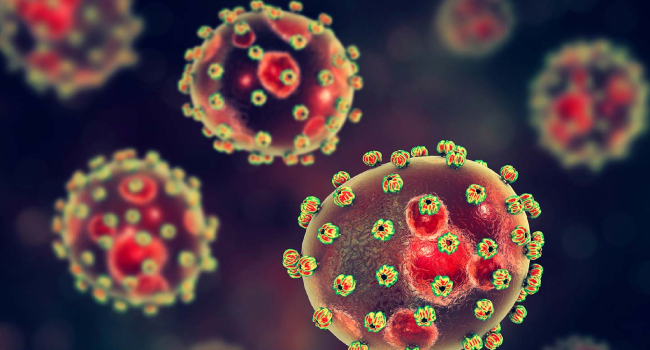
No fewer than 17 people have died from Lassa fever across eight states in Nigeria within the first three weeks of 2026, the Nigeria Centre for Disease Control (NCDC) has said.
The NCDC disclosed this in its weekly epidemiological report for Week Three, released on Thursday, noting that 93 confirmed cases were recorded during the period.
According to the agency, Bauchi, Taraba, Plateau, Ondo, Edo, Ebonyi, Benue and Nasarawa states reported new infections, with Bauchi accounting for 46 per cent of confirmed cases.
The report stated that Nigeria’s Case Fatality Rate (CFR) currently stands at 18.1 per cent, a marginal drop from the 18.2 per cent recorded during the same period in 2025.
The NCDC also revealed that four healthcare workers were infected in Week Three alone, underscoring the occupational risks faced by frontline medical personnel during the outbreak.
It added that 89 per cent of all confirmed cases were reported from Bauchi, Ondo, Taraba and Edo states, while the remaining 11 per cent came from other affected states.
The agency noted that the most affected age group ranged between 21 and 30 years, with a median age of 27.5 years, while the male-to-female ratio among confirmed cases stood at 1:0.6.
To contain the outbreak, the NCDC said it has activated the national Lassa fever multi-partner Incident Management System (IMS) to coordinate response efforts, including case management, distribution of Ribavirin, and community risk communication.
However, the agency identified challenges such as late presentation to health facilities, poor health-seeking behaviour and environmental sanitation issues, urging states to strengthen community engagement and surveillance.
It also advised healthcare workers to maintain a high index of suspicion for early detection and treatment, while urging Nigerians to observe good hygiene practices and promptly report suspected cases.
Lassa fever is an acute viral haemorrhagic illness endemic in Nigeria and parts of West Africa. It is primarily transmitted through contact with food or household items contaminated by the urine or faeces of infected multimammate rats (Mastomys natalensis), with possible human-to-human transmission in healthcare settings lacking proper infection control.
The disease typically peaks during the dry season (December–April), and while many infections are mild, severe cases may present with bleeding, organ failure and death.








You Won’t Return to Senate in 2027, Defends FCT Loans – Wike Tells Kingibe

Trump Rejects Global Supervision of AI, Calls It ‘Globalist Scheme’

UK Bars Nigerian, Ghanaian Teachers From QTS Application Route in England

CBN Resets Monetary Policy Rate to 23%

FG Inaugurates 10-Member Panel to Probe Deaths of 37 Suspected Illegal Miners in NSCDC Custody

NSITF now a digital, efficient, accountable institution – Faleye

Wike: Obi Supporters Won Rivers Only in Their Imagination

‘Who Is in Charge of Nigeria?’ — Atiku Questions Tinubu’s Extended Vacation

Tinubu Understands My Rainbow Coalition – Wike

Wike: I Will Never Support Uzodinma for Senate President in 2027

US Refuses Visas for Members of Iranian President’s UNGA Delegation

Cole Palmer Withdraws from England Squad with Muscle Injury, Gibbs-White Set to Replace Him
Wike: I Will Never Support Uzodinma for Senate President in 2027

Civil Servants Demand N500,000 Minimum Salary, N500/Litre Petrol in Letter to Tinubu

Niger NSCDC Custody Deaths: Names of 37 Suspected Illegal Miners Released (Full List)
UK Bars Nigerian, Ghanaian Teachers From QTS Application Route in England
CBN Resets Monetary Policy Rate to 23%

Tinubu Extends Working Vacation, Returns to Nigeria This Weekend
Tinubu Understands My Rainbow Coalition – Wike
Trump Rejects Global Supervision of AI, Calls It ‘Globalist Scheme’
-
 World News1 day ago
US Refuses Visas for Members of Iranian President’s UNGA Delegation
-
 Sports1 day ago
Cole Palmer Withdraws from England Squad with Muscle Injury, Gibbs-White Set to Replace Him
-
 News23 hours ago
Wike: I Will Never Support Uzodinma for Senate President in 2027
-
 National News1 day ago
Civil Servants Demand N500,000 Minimum Salary, N500/Litre Petrol in Letter to Tinubu
-
 News1 day ago
Niger NSCDC Custody Deaths: Names of 37 Suspected Illegal Miners Released (Full List)
-
 News3 hours ago
UK Bars Nigerian, Ghanaian Teachers From QTS Application Route in England
-
 National News3 hours ago
CBN Resets Monetary Policy Rate to 23%
-
 National News23 hours ago
Tinubu Extends Working Vacation, Returns to Nigeria This Weekend