News
2027: We won’t accept compromised polls – Sharia Council to INEC

The Supreme Council for Shari’ah in Nigeria has declared that it will not recognise elections it deems compromised, emphasising that public confidence in the democratic process is essential for national stability ahead of the 2027 general elections.
The statement was delivered during the Council’s Annual Pre-Ramadan Lecture and General Assembly held in Abuja, which brought together Islamic scholars, traditional and community leaders, professionals, representatives of Islamic organisations, and media practitioners.
Council’s Position on Elections
Addressing the gathering, Sheikh Bashir Aliyu Umar, President of the Shariah Council, said elections conducted under questionable circumstances or presided over by officials of “dubious integrity” would lack credibility and public trust.
“The Council has clearly stated that the Ummah will not recognise or legitimise any election presided over by a character with questionable integrity, as democratic credibility must never be compromised,” Umar said, stressing that electoral integrity is central to Nigeria’s stability.
The Council also raised concerns over developments at the Independent National Electoral Commission (INEC), noting that public trust in institutions responsible for elections must be protected.
Nation Under Pressure: Security, Economy, Governance
Beyond elections, the Shariah Council described Nigeria as facing worsening insecurity, economic hardship, and declining public trust. Umar highlighted inflation, unemployment, and rising costs of living as challenges confronting millions of Nigerians.
“The nation is confronted by worsening insecurity, widespread loss of lives, economic hardship, erosion of public trust, and deep social anxiety,” he said, urging effective security measures alongside peaceful reconciliation.
The Council also provided data showing that Muslim communities have been disproportionately affected by ongoing violence and terrorism, while affirming that every human life, Muslim or Christian, is sacred. It condemned misleading narratives around religious violence, including the so-called “Christian genocide” claims.
On economic matters, the Council criticised aspects of tax reform and budget implementation, stressing that fiscal policies should not impose undue hardship on ordinary Nigerians and must be fair and socially responsible.
The Council further expressed concern over federal appointments, warning that systemic imbalances undermine constitutional equity and national cohesion.
Religious Rights and International Issues
Reaffirming the constitutional right of Muslims to implement Shari’ah law for themselves, the Council emphasised peaceful coexistence with other religious groups.
The Council also condemned the ongoing conflict in Gaza, describing it as genocide and decrying what it called a global conspiracy of silence over Palestinian suffering.
Call for Moral Leadership
Mallam Muhammadu Munir Ja’afaru, Madakin Zazzau, praised the Shariah Council as a principled voice for the Nigerian Muslim Ummah, highlighting its role in promoting justice, unity, and national stability.
With Ramadan approaching, the Council urged Islamic scholars to use Tafseer sessions to encourage moral reformation, responsible civic engagement, and ethical leadership, stressing that national renewal requires collective moral responsibility.


Nigeria’s Falconets storm U-20 World Cup Quarter-Finals after 3-0 win over England

FAAC Disburses N2.338tn August Revenue, FG Gets N804.9bn

DSS Re-Arraigns Five Alleged Ansaru Leaders Over Oyo School Kidnap, Two Deaths

Oyedele Begins Work on 2027 Finance Bill, Inaugurates Fiscal Policy Subcommittee

Lagos APC Unveils 2027 Campaign Council, Names Sanwo-Olu, Fashola, Ambode Leaders

‘He Got Away With It in 2023’ — Keyamo Says Nigerians Will Scrutinise Obi’s Claims This Time

Court Jails South African Woman 25 Years for Importing 5.75kg Heroin

Lagos-Ibadan Expressway Gridlock Lasts 14 Hours After Seven-Vehicle Crash at Kara

Presidency Dares Peter Obi to Quit 2027 Race Over Anambra Debt Claims

INEC Explains Amupitan’s Absence, Says Chairman Can Delegate Powers to National Commissioners

BREAKING: Nollywood Icon Olu Jacobs Dies at 84
Court Jails South African Woman 25 Years for Importing 5.75kg Heroin
DSS Re-Arraigns Five Alleged Ansaru Leaders Over Oyo School Kidnap, Two Deaths

Court Orders Tinubu to Be Served With Atiku’s Suit Seeking His Disqualification
Lagos-Ibadan Expressway Gridlock Lasts 14 Hours After Seven-Vehicle Crash at Kara
‘He Got Away With It in 2023’ — Keyamo Says Nigerians Will Scrutinise Obi’s Claims This Time
Lagos APC Unveils 2027 Campaign Council, Names Sanwo-Olu, Fashola, Ambode Leaders

Supreme Court Reserves Judgment on Electoral Act 2026 Dispute
Presidency Dares Peter Obi to Quit 2027 Race Over Anambra Debt Claims
Oyedele Begins Work on 2027 Finance Bill, Inaugurates Fiscal Policy Subcommittee
-
 Entertainment1 day ago
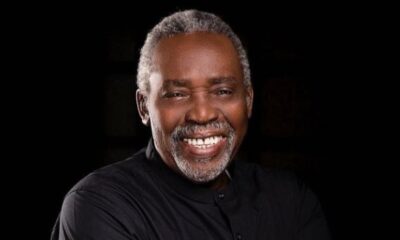
BREAKING: Nollywood Icon Olu Jacobs Dies at 84
-
 News6 hours ago
Court Jails South African Woman 25 Years for Importing 5.75kg Heroin
-
 News5 hours ago
DSS Re-Arraigns Five Alleged Ansaru Leaders Over Oyo School Kidnap, Two Deaths
-
 News1 day ago
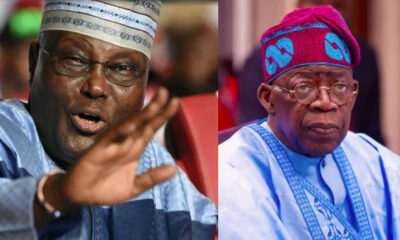
Court Orders Tinubu to Be Served With Atiku’s Suit Seeking His Disqualification
-
 Metro1 day ago
Lagos-Ibadan Expressway Gridlock Lasts 14 Hours After Seven-Vehicle Crash at Kara
-
 News5 hours ago
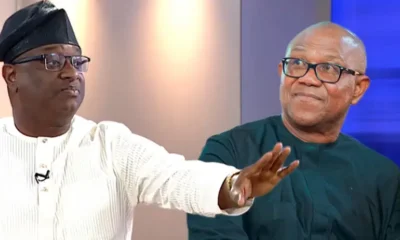
‘He Got Away With It in 2023’ — Keyamo Says Nigerians Will Scrutinise Obi’s Claims This Time
-
 News5 hours ago
Lagos APC Unveils 2027 Campaign Council, Names Sanwo-Olu, Fashola, Ambode Leaders
-
 News1 day ago
Supreme Court Reserves Judgment on Electoral Act 2026 Dispute