
News
Nigeria’s security crisis deepened by poor funding, flawed recruitment — Betara

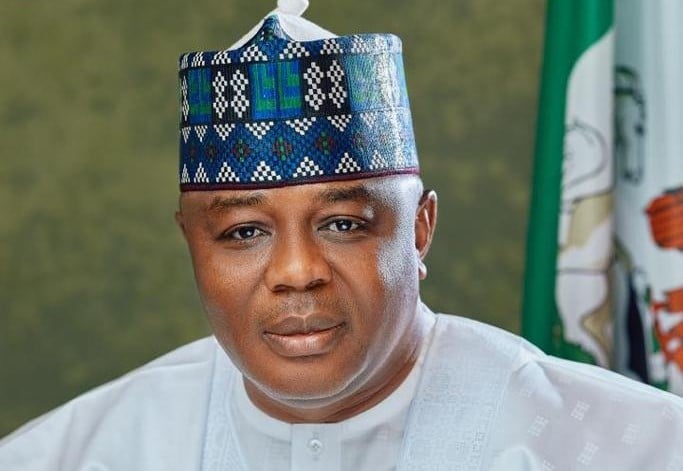
A former Chairman of the House Committee on Army, Hon. Muktar Betara (APC, Borno), has raised alarm over chronic underfunding of Nigeria’s security institutions, warning that the country cannot win the war against insurgency and banditry without a complete overhaul of military financing and procurement systems.
Speaking on behalf of the North-East during the House of Representatives special debate on national security, Betara noted that despite a ₦1.3 trillion defence allocation in 2025, the spending pattern remains “disturbingly skewed.”
“The Air Force has no capital budget at all — only recurrent. Out of the ₦1.2 trillion recurrent allocation, ₦900 billion is overhead. How do you expect them to procure equipment, aircraft or technology?”he asked.
Betara said long-standing concerns raised during his tenure as committee chairman still persist.
“There are issues with military procurement — very serious issues — and if we do not address them, the insecurity challenge will continue,”he warned.
Former Deputy Speaker Hon. Ahmed Idris Wase said no amount of funding will produce results if the recruitment system continues to admit criminals into the security forces.
“There was a time Boko Haram members appeared on the Army recruitment list. Armed robbers and gang members were also found on lists for the Army and Police,”he revealed.
He urged lawmakers to stop recommending unfit candidates for security jobs.
“If you put criminals in uniform, you cannot solve the insecurity problem. We must recommend people of integrity,” Wase said.
Representing the North-West, Hon. Sada Soli (APC, Katsina) described insecurity in the zone as a structural and environmental crisis, not just criminality.
“A purely kinetic or military response will not work. We must address land issues, climate pressures and rebuild trust in state institutions,”he argued.
Hon. Kafila Kogbara (APC, Lagos) insisted that state governments must take greater responsibility for security.
“The President cannot be in all 36 states. Governors must do more,”she said.
Kogbara also advocated a national safe-schools framework, compulsory deployment of security teams in high-risk schools, CCTV coverage, early-warning sensors and stronger communication links with security agencies.














‘Stay prepared, don’t take it easy with them’ — Kwankwaso tells supporters after convoy attack

‘Let Tinubu finish what he started, He deserves Second Term’ — Fashola tells Nigerians

Two die as accident injures Gombe APC chairman, 2027 guber campaign DG

Woman arrested for allegedly hiring Men to kill husband’s children over inheritance in Kano

Super Eagles held to goalless draw by Tanzania in AFCON 2027 qualifier

Livestream Dispute: South Africa summons Nigeria’s High Commissioner, Fani-Kayode

Fountain of Life Church rejects Jimmy Odukoya’s removal as Senior Pastor

BREAKING: Simon Ekpa reportedly released from Finnish custody, Lawyer confirms

Court of Appeal gets 12 new Justices as Omotosho, Nwite receive elevation

Vanguard Online Editor Olufemi Ajasa Dies at 44

Peter Obi Announces 10-Day Record of Service to Address Anambra Erosion Allegations

FG Unveils Digital Education Strategy to Tackle Out-of-School Children, Teacher Shortages

Stop cutting down Trees, NESREA Official warns residents

Troops Kill Suspected Terrorist, Recover Two Motorcycles in Plateau Night Operation

‘Children Are Not Witches’ — Anja Loven Shares Recovery of Rescued Akwa Ibom Boy

Police begin release of 78 suspects arrested over attack on Tinubu’s convoy

Nigeria’s inflation drops to 14.06% in October as food inflation falls

‘You are not going for Grammy’ — Osita Iheme warns politicians against dancing at rallies

2027 Grammys: Tems, Asake, Wizkid, Burna Boy, Davido, Ayra Starr Earn Nominations

Soludo Warns Politicians Against Using Churches as Campaign Grounds
-
 News1 day ago
Peter Obi Announces 10-Day Record of Service to Address Anambra Erosion Allegations
-
 National News1 day ago
FG Unveils Digital Education Strategy to Tackle Out-of-School Children, Teacher Shortages
-
 National News1 day ago
Stop cutting down Trees, NESREA Official warns residents
-
 Metro1 day ago
Troops Kill Suspected Terrorist, Recover Two Motorcycles in Plateau Night Operation
-
 News1 day ago
‘Children Are Not Witches’ — Anja Loven Shares Recovery of Rescued Akwa Ibom Boy
-
 News1 day ago
Police begin release of 78 suspects arrested over attack on Tinubu’s convoy
-
 News1 day ago
Nigeria’s inflation drops to 14.06% in October as food inflation falls
-
 News1 day ago
‘You are not going for Grammy’ — Osita Iheme warns politicians against dancing at rallies