
News
Nigeria’s security crisis deepened by poor funding, flawed recruitment — Betara

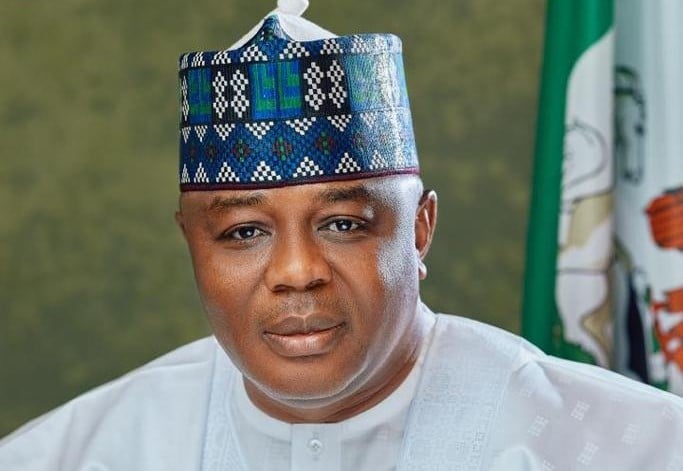
A former Chairman of the House Committee on Army, Hon. Muktar Betara (APC, Borno), has raised alarm over chronic underfunding of Nigeria’s security institutions, warning that the country cannot win the war against insurgency and banditry without a complete overhaul of military financing and procurement systems.
Speaking on behalf of the North-East during the House of Representatives special debate on national security, Betara noted that despite a ₦1.3 trillion defence allocation in 2025, the spending pattern remains “disturbingly skewed.”
“The Air Force has no capital budget at all — only recurrent. Out of the ₦1.2 trillion recurrent allocation, ₦900 billion is overhead. How do you expect them to procure equipment, aircraft or technology?”he asked.
Betara said long-standing concerns raised during his tenure as committee chairman still persist.
“There are issues with military procurement — very serious issues — and if we do not address them, the insecurity challenge will continue,”he warned.
Former Deputy Speaker Hon. Ahmed Idris Wase said no amount of funding will produce results if the recruitment system continues to admit criminals into the security forces.
“There was a time Boko Haram members appeared on the Army recruitment list. Armed robbers and gang members were also found on lists for the Army and Police,”he revealed.
He urged lawmakers to stop recommending unfit candidates for security jobs.
“If you put criminals in uniform, you cannot solve the insecurity problem. We must recommend people of integrity,” Wase said.
Representing the North-West, Hon. Sada Soli (APC, Katsina) described insecurity in the zone as a structural and environmental crisis, not just criminality.
“A purely kinetic or military response will not work. We must address land issues, climate pressures and rebuild trust in state institutions,”he argued.
Hon. Kafila Kogbara (APC, Lagos) insisted that state governments must take greater responsibility for security.
“The President cannot be in all 36 states. Governors must do more,”she said.
Kogbara also advocated a national safe-schools framework, compulsory deployment of security teams in high-risk schools, CCTV coverage, early-warning sensors and stronger communication links with security agencies.









Youths Set Tyres Ablaze, Block Road as Pantami Enters Gombe for PDP Rally

DSS Arrests 14 Female Suspected Arms Couriers, Intercepts Major Weapons Shipment

Two Fulani Herdsmen, 16 Cattle Killed in Attack on Enugu Community

ADC Leadership Crisis: INEC Says It Cannot Act Until It Gets Court Ruling

Police Arrest Man for Allegedly Sexually Assaulting, Filming Woman Over N600,000 Loan Default in Abuja

‘Atiku Cannot Unite Nigeria When He Cannot Unite Adamawa’ — Shettima

Hezbollah Leader Hails Trump’s Election Defeat, Says It Offers Opportunity for Iran-Backed Group

APC Presidential Campaign Council Restricts Spokesperson Role to Three Officials

Tinubu Rewards Flamingos Players With ₦100m Savings Certificates Each After World Cup Triumph

Amid Economic Hardship, CBN Africa Announces ₦10 Million Telethon to Bring Hope to Nigerians
Tinubu Rewards Flamingos Players With ₦100m Savings Certificates Each After World Cup Triumph

‘It will be difficult to unseat Tinubu in 2027’ — Wike cites infrastructure projects
Police Arrest Man for Allegedly Sexually Assaulting, Filming Woman Over N600,000 Loan Default in Abuja

NUJ Disowns Facebook Platform Operating as “Secret Reporter”
Hezbollah Leader Hails Trump’s Election Defeat, Says It Offers Opportunity for Iran-Backed Group

Water, Opportunity and the road to Abu Dhabi
Amid Economic Hardship, CBN Africa Announces ₦10 Million Telethon to Bring Hope to Nigerians
APC Presidential Campaign Council Restricts Spokesperson Role to Three Officials
ADC Leadership Crisis: INEC Says It Cannot Act Until It Gets Court Ruling
‘Atiku Cannot Unite Nigeria When He Cannot Unite Adamawa’ — Shettima
-
 National News10 hours ago
Tinubu Rewards Flamingos Players With ₦100m Savings Certificates Each After World Cup Triumph
-
 Metro10 hours ago
Police Arrest Man for Allegedly Sexually Assaulting, Filming Woman Over N600,000 Loan Default in Abuja
-
 News2 days ago
‘It will be difficult to unseat Tinubu in 2027’ — Wike cites infrastructure projects
-
 World News10 hours ago
Hezbollah Leader Hails Trump’s Election Defeat, Says It Offers Opportunity for Iran-Backed Group
-
 News2 days ago
NUJ Disowns Facebook Platform Operating as “Secret Reporter”
-
 News10 hours ago
APC Presidential Campaign Council Restricts Spokesperson Role to Three Officials
-
 News10 hours ago
ADC Leadership Crisis: INEC Says It Cannot Act Until It Gets Court Ruling
-
 World News2 days ago
Water, Opportunity and the road to Abu Dhabi