
News
World AIDS Day 2025: WHO warns of funding threats, urges Africa to transform HIV response

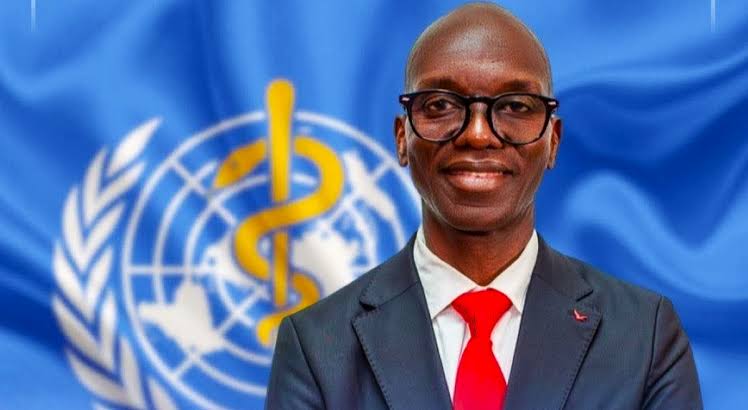
As the global community marks World AIDS Day 2025, the World Health Organization (WHO) has called for renewed urgency and collective action to end AIDS in Africa.
In a statement, the WHO Regional Director for Africa, Dr. Mohamed Janabi, warns that funding disruptions and shifting global priorities are threatening decades of progress in the fight against HIV, but emphasises that Africa has both the resilience and the capacity to overcome the challenge.
“This year’s theme, “Overcoming Disruption: Transforming the AIDS Response,” reflects the need to rethink HIV strategies amid reduced funding and emerging threats to public health systems.”
Dr. Janabi added that the changing landscape was challenging but had presented an opportunity for countries to strengthen self-reliant, integrated, and people-centered healthcare systems.
“Across the region, many nations are embedding HIV testing, treatment, and prevention within primary healthcare, ensuring continuity of care even during crises,” he stated.
He highlighted the importance of accelerating access to innovation, particularly long-acting HIV prevention tools such as Lenacapavir, which requires only two injections per year.
Dr. Janabi also underscored the critical need to defend scientific integrity. He warned that misinformation poses a serious threat to public health and praised youth-led community networks that used platforms like WhatsApp and local radio to spread reliable information and encourage treatment adherence during recent crises.
He noted that despite ongoing challenges, Africa has made significant progress, with new HIV infections and AIDS-related deaths falling by more than 50% since 2010, and 21.7 million people now receiving lifesaving antiretroviral therapy.
However, Dr. Janabi cautioned that progress remained fragile. He urged governments and partners to invest in sustainable, locally-driven HIV programs, strengthen health systems, protect marginalized populations, tackle stigma and misinformation, and confront deep-seated inequalities that continue to fuel the epidemic.






Ebola Patient in Nigeria Is Wife of Swiss Diplomat, Switzerland Says

Uba Sani Vows Massive Kaduna Support for Tinubu Ahead of 2027 Election

Atiku Asks Tinubu to Identify Those Behind Alleged Ministerial Appointment Bribes

One Dead, Three Rescued After Two-Storey Building Collapses in Lagos

CBN grants JPMorgan approval-in-principle to establish Merchant Bank in Nigeria

BREAKING: Veteran Nollywood Actor Francis Duru Dies at 57

Ebola: FG Orders Nationwide Awareness Campaign After Reported Case in Abuja

Sultan of Sokoto Meets Tinubu, Prays for Peaceful Elections

NEC Endorses 90-Day Plan to Ease Cost of Living, Targets Single-Digit Inflation

JUST-IN: Tinubu Appoints Ex-DSS DG Bichi to Lead NISS Governing Board

Gov Sule commends DSS over arrests, ammunition recoveries in Nasarawa

FCT Teachers Resume Classes After Suspending Two-Week Strike

NUJ demands justice, fair hearing and protection of press freedom in Farida Isiak’s case
JUST-IN: Tinubu Appoints Ex-DSS DG Bichi to Lead NISS Governing Board
NEC Endorses 90-Day Plan to Ease Cost of Living, Targets Single-Digit Inflation
Ebola: FG Orders Nationwide Awareness Campaign After Reported Case in Abuja
Sultan of Sokoto Meets Tinubu, Prays for Peaceful Elections
BREAKING: Veteran Nollywood Actor Francis Duru Dies at 57
CBN grants JPMorgan approval-in-principle to establish Merchant Bank in Nigeria
Atiku Asks Tinubu to Identify Those Behind Alleged Ministerial Appointment Bribes
-
 News2 days ago
Gov Sule commends DSS over arrests, ammunition recoveries in Nasarawa
-
 FCT News2 days ago
FCT Teachers Resume Classes After Suspending Two-Week Strike
-
 NUJ FCT2 days ago
NUJ demands justice, fair hearing and protection of press freedom in Farida Isiak’s case
-
 National News1 day ago
JUST-IN: Tinubu Appoints Ex-DSS DG Bichi to Lead NISS Governing Board
-
 National News1 day ago
NEC Endorses 90-Day Plan to Ease Cost of Living, Targets Single-Digit Inflation
-
 National News1 day ago
Ebola: FG Orders Nationwide Awareness Campaign After Reported Case in Abuja
-
 National News1 day ago
Sultan of Sokoto Meets Tinubu, Prays for Peaceful Elections
-
 News8 hours ago
Atiku Asks Tinubu to Identify Those Behind Alleged Ministerial Appointment Bribes