





News
IMF raises Nigeria’s 2026 growth outlook to 4.4%

The International Monetary Fund (IMF) has revised upward its growth projection for Nigeria, forecasting that the country’s economy will expand by 4.4 per cent in 2026, buoyed by improving macroeconomic conditions and sustained reform efforts.
The revised outlook was contained in the IMF’s January 2026 World Economic Outlook (WEO) Update, titled “Global Economy: Steady amid Divergent Forces,” released on Monday.
According to the Fund, Nigeria’s economy is projected to grow steadily over the medium term, rising from an estimated 4.1 per cent in 2024 to 4.2 per cent in 2025, before accelerating further in 2026. The latest forecast represents a 0.2 percentage point increase from the IMF’s October 2025 projection.
The IMF said the improved outlook reflects strengthening macroeconomic fundamentals and reform momentum within the country.
Regional and global picture
Nigeria’s upgraded forecast aligns with a broader recovery across sub-Saharan Africa, where growth is expected to reach 4.6 per cent in both 2026 and 2027.
The Fund attributed the regional improvement to ongoing macroeconomic stabilisation measures and reform initiatives in several key African economies.
Globally, the IMF projected economic growth of 3.3 per cent in 2026, noting that the world economy continues to show resilience despite persistent uncertainties. The report said global growth is being shaped by “divergent forces,” with the drag from evolving trade policies partly offset by increased investment in technology and artificial intelligence.
Energy prices and risks
For Nigeria, the IMF identified energy prices as a key factor influencing the 2026 outlook. It projected that global energy commodity prices would decline by about seven per cent in 2026, largely due to subdued global demand.
However, the Fund noted that oil prices are being supported by what it described as a “soft price floor,” underpinned by coordinated production controls by OPEC+ and crude stockpiling by China, which could help limit sharper price declines.
Despite the improved forecast, the IMF cautioned that risks to Nigeria’s outlook remain skewed to the downside. These include escalating geopolitical tensions in regions such as the Middle East and Ukraine, renewed trade disputes and protectionist policies, as well as high public debt levels and fiscal deficits that could push long-term interest rates higher.
Policy priorities
To sustain growth, the IMF urged Nigerian authorities to rebuild fiscal buffers and accelerate structural reforms.
The Fund stressed that preserving central bank independence remains vital for maintaining macroeconomic stability, particularly in an environment of heightened global volatility.
It also warned that any discretionary fiscal interventions should be carefully targeted and time-bound, to prevent long-term fiscal strain.
The IMF concluded that Nigeria’s ability to achieve its 2026 growth target would depend on consistent policy implementation and the country’s resilience to both domestic and external shocks as the global economy continues to adjust.







News1 day ago
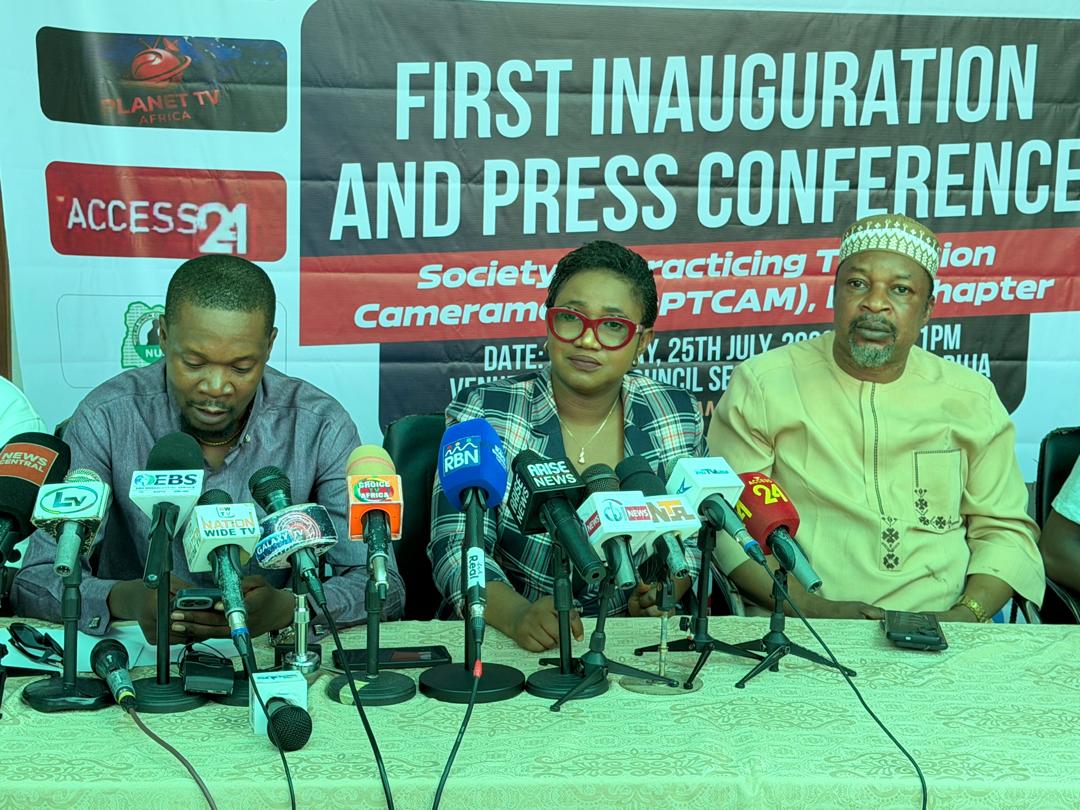
NUJ FCT charges new SOPTCAM executives to raise standards, embrace digital innovation

News2 days ago
FCT Police Commissioner’s son, Ahmed Sharafadeen Sanusi, weds in Katsina

News2 days ago
Projects, performance, and people: Obi Aguocha’s re-Election argument

News2 days ago
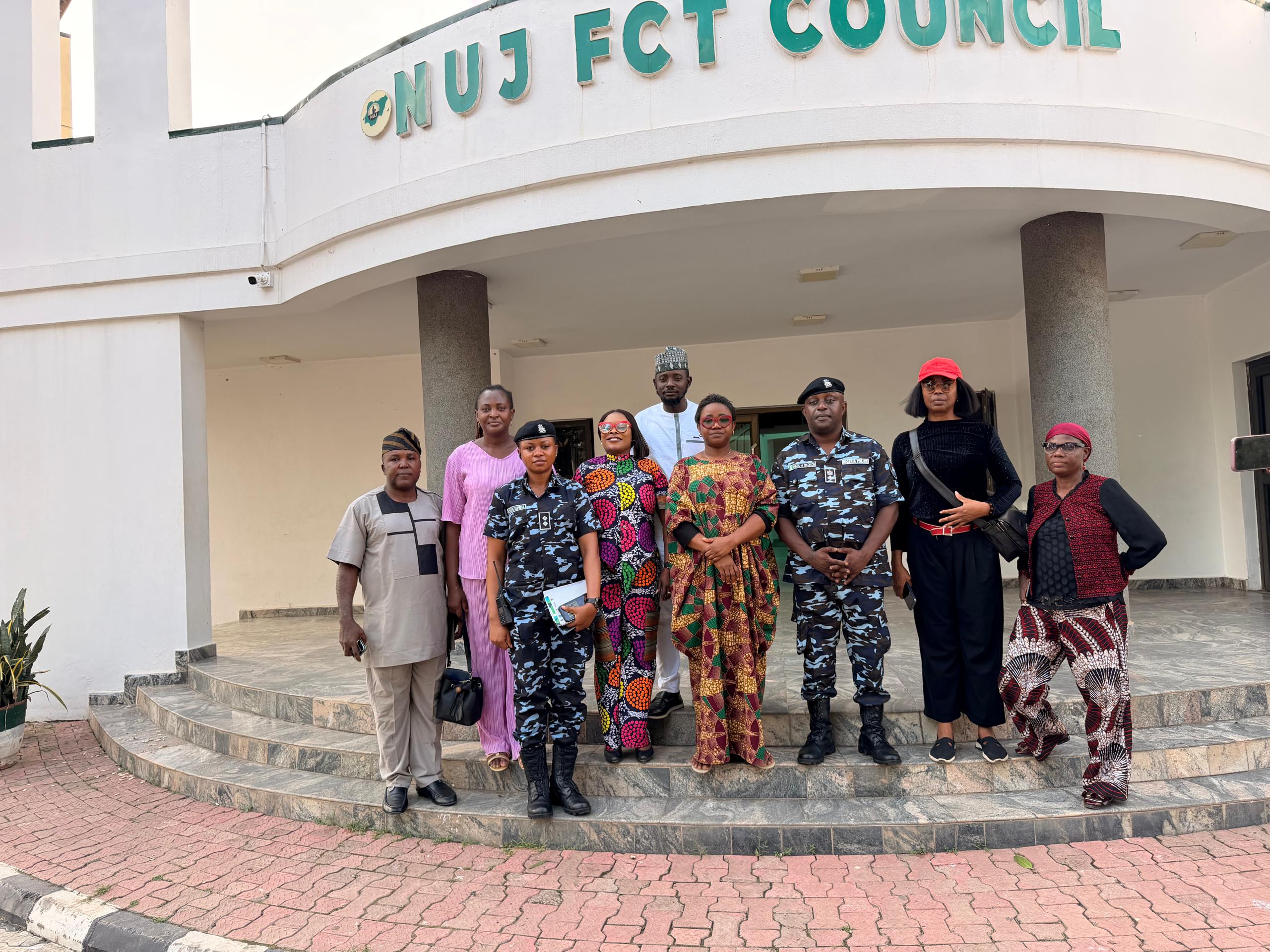
Nigeria Police Force to strengthen Complaint Response Unit, boost media engagement

National News2 days ago
NGF commends Tinubu over expansion of Nigerian Army

Sports2 days ago
CAS fixes October 8 hearing in Senegal’s challenge to Morocco’s 2025 AFCON title

World News2 days ago
Nigeria, Seven African Nations hit with 12.5% US tariff

National News2 days ago
No kobo was released to controversial investment Council, Budget Office DG Tells Reps

Sports2 days ago
Ezuruike claims Silver to hand Nigeria first Commonwealth Games medal
National News3 days ago
Tinubu approves expansion of Nigerian Army to 12 Divisions, authorises recruitment of 28,000 personnel
News2 days ago
Nigeria Police Force to strengthen Complaint Response Unit, boost media engagement
News2 days ago
Projects, performance, and people: Obi Aguocha’s re-Election argument
News2 days ago
FCT Police Commissioner’s son, Ahmed Sharafadeen Sanusi, weds in Katsina
News1 day ago
NUJ FCT charges new SOPTCAM executives to raise standards, embrace digital innovation
-
 News2 days ago
Nigeria Police Force to strengthen Complaint Response Unit, boost media engagement
-
 News2 days ago
Projects, performance, and people: Obi Aguocha’s re-Election argument
-
 News2 days ago
FCT Police Commissioner’s son, Ahmed Sharafadeen Sanusi, weds in Katsina
-
 News1 day ago
NUJ FCT charges new SOPTCAM executives to raise standards, embrace digital innovation