



News
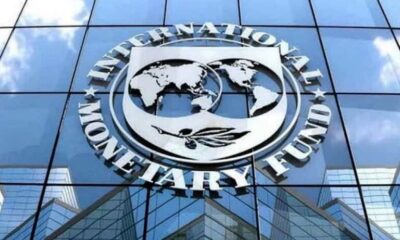
IMF reports stronger growth in Middle East, North Africa despite conflicts

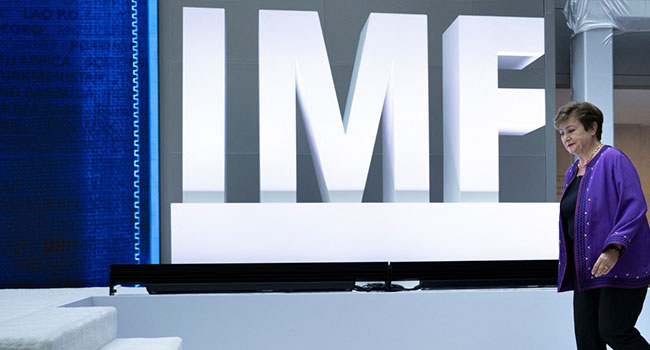
Economic growth across the Middle East and North Africa (MENA) has accelerated this year despite ongoing global uncertainty and regional conflicts, according to a new report released by the International Monetary Fund (IMF) on Tuesday.
Jihad Azour, IMF Director for the Middle East and Central Asia, said in an interview with AFP that the region’s resilience was remarkable given multiple challenges. “Despite all the shocks we saw to trade with the tariff measures, geopolitical tension, the conflicts, the volatility in oil price, we see that growth has been performing better than last year,” Azour said. “And it’s not only in a group of countries, but spread across the region.”
The IMF’s latest regional outlook, presented in Dubai, forecasts that MENA economies will expand by 3.3 percent in 2025 and 3.7 percent in 2026 — higher than its earlier projections of 2.6 and 3.4 percent, respectively. The region’s GDP grew by 2.1 percent in 2024.
Azour explained that Gulf nations have benefited from higher oil production, which helped offset the effects of declining prices, while other countries recorded gains through rebounds in tourism, manufacturing, and agriculture.
Despite ongoing instability, including the war in Gaza, Azour noted that “the region was able to withstand the big geopolitical shock of the last two years,” citing the relative economic resilience of neighbouring countries such as Jordan and Egypt.
He described the current ceasefire in Gaza as “an important and welcome development,” but cautioned that it was too early to assess its full economic impact. “The impact on the region hinges on how this stability will materialise into improvement in the overall risk profile for the region and also what we see of potential reconstruction or post-conflict in Syria, Lebanon and in Gaza, and also later in the West Bank,” he explained.
Azour said immediate attention should be focused on evaluating the scale of damage in Gaza and identifying reconstruction priorities, with support from the United Nations and the World Bank.
He further warned that financing needs remain “immense” in other conflict-affected countries, including Yemen and Sudan, due to dwindling international aid and worsening humanitarian conditions.






News1 day ago
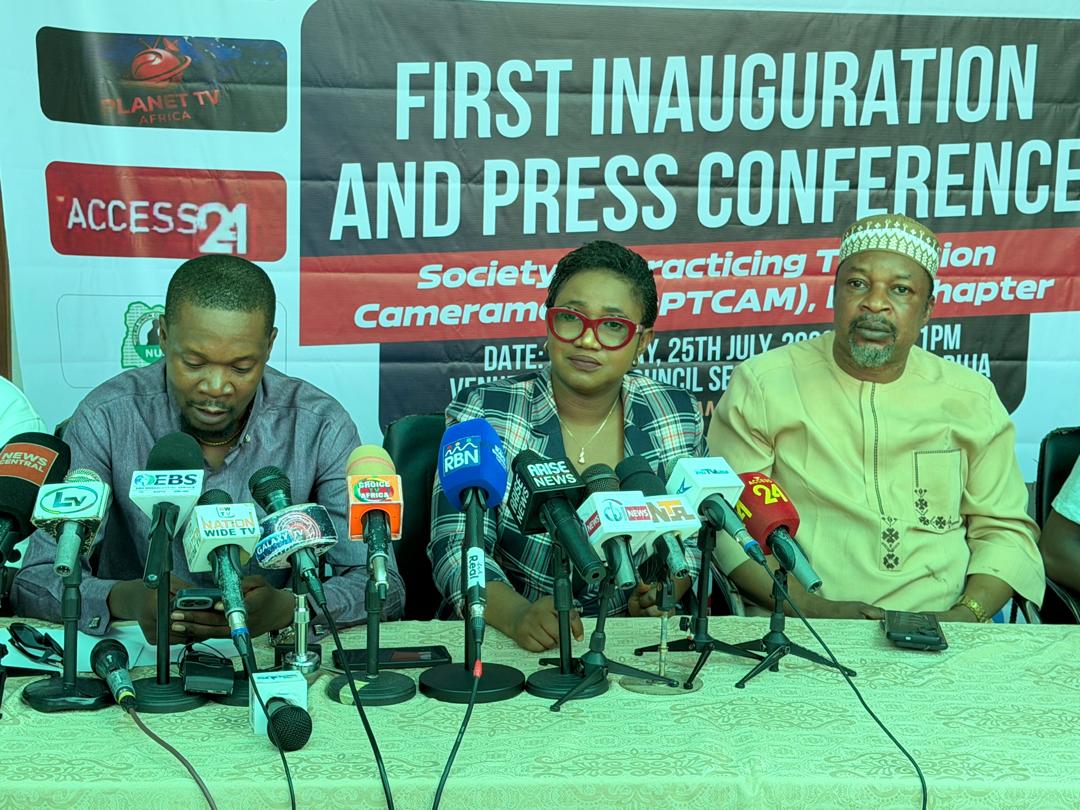
NUJ FCT charges new SOPTCAM executives to raise standards, embrace digital innovation

News2 days ago
FCT Police Commissioner’s son, Ahmed Sharafadeen Sanusi, weds in Katsina

News2 days ago
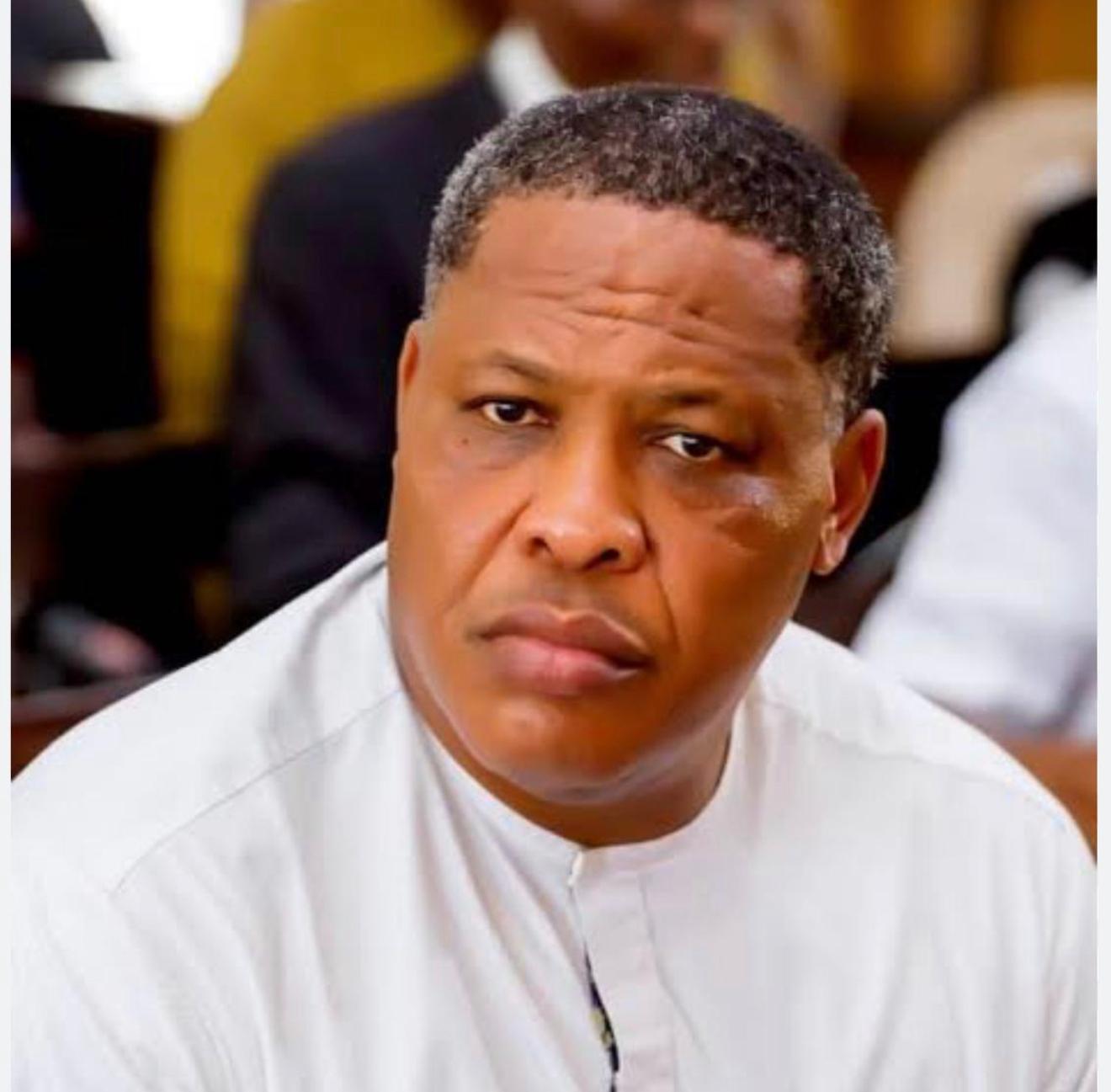
Projects, performance, and people: Obi Aguocha’s re-Election argument

News2 days ago
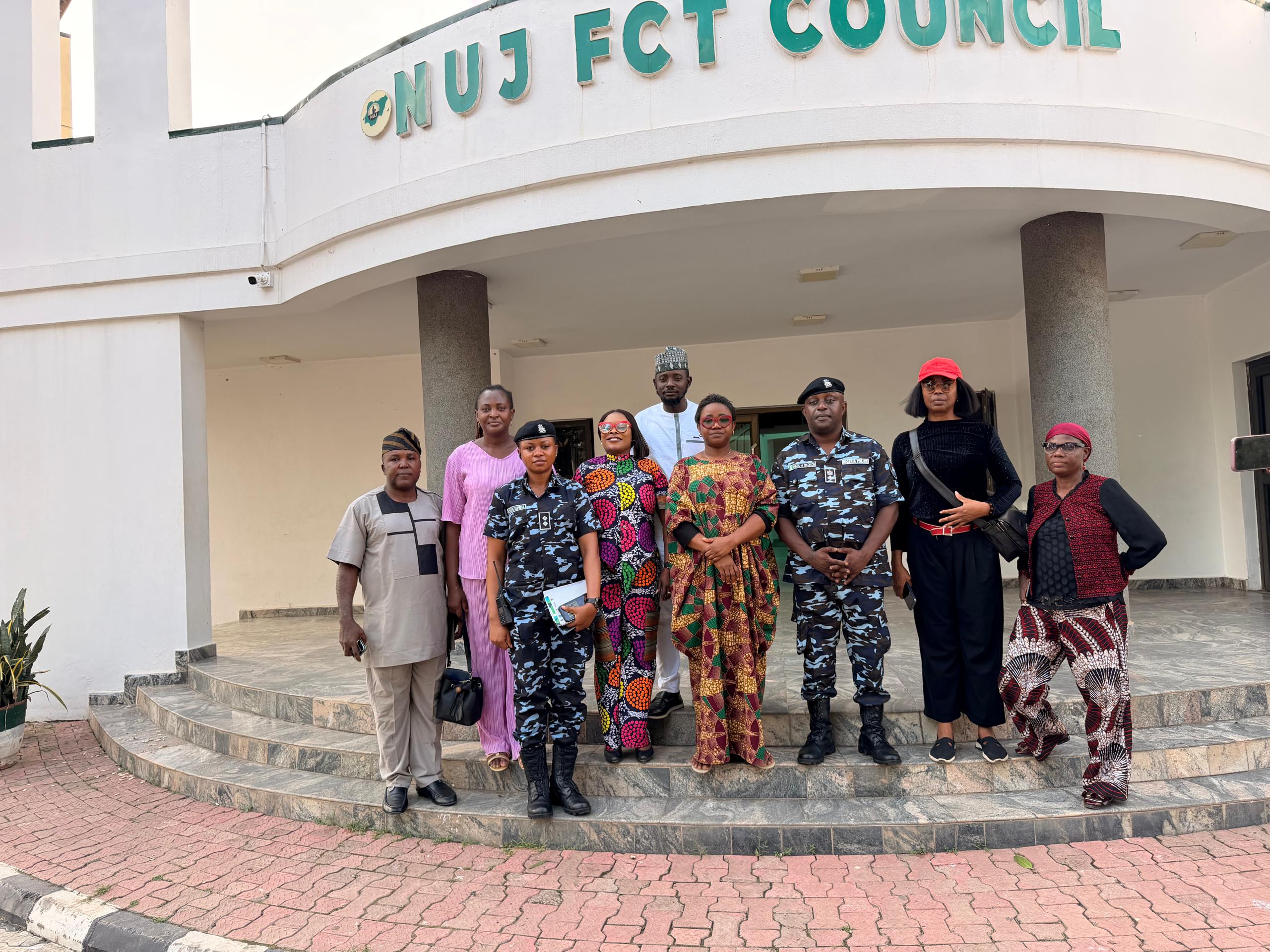
Nigeria Police Force to strengthen Complaint Response Unit, boost media engagement

National News2 days ago
NGF commends Tinubu over expansion of Nigerian Army

Sports2 days ago
CAS fixes October 8 hearing in Senegal’s challenge to Morocco’s 2025 AFCON title

World News2 days ago
Nigeria, Seven African Nations hit with 12.5% US tariff

National News2 days ago
No kobo was released to controversial investment Council, Budget Office DG Tells Reps

Sports2 days ago
Ezuruike claims Silver to hand Nigeria first Commonwealth Games medal
National News3 days ago
Tinubu approves expansion of Nigerian Army to 12 Divisions, authorises recruitment of 28,000 personnel
News2 days ago
Nigeria Police Force to strengthen Complaint Response Unit, boost media engagement
News2 days ago
Projects, performance, and people: Obi Aguocha’s re-Election argument
News2 days ago
FCT Police Commissioner’s son, Ahmed Sharafadeen Sanusi, weds in Katsina
News1 day ago
NUJ FCT charges new SOPTCAM executives to raise standards, embrace digital innovation
-
 News2 days ago
Nigeria Police Force to strengthen Complaint Response Unit, boost media engagement
-
 News2 days ago
Projects, performance, and people: Obi Aguocha’s re-Election argument
-
 News2 days ago
FCT Police Commissioner’s son, Ahmed Sharafadeen Sanusi, weds in Katsina
-
 News1 day ago
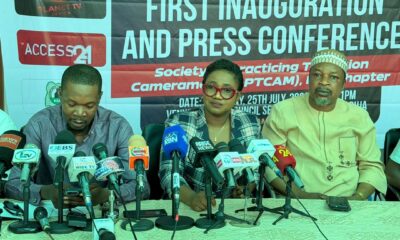
NUJ FCT charges new SOPTCAM executives to raise standards, embrace digital innovation