
Business
63.3% of Nigerians want interest rate cuts — CBN Survey

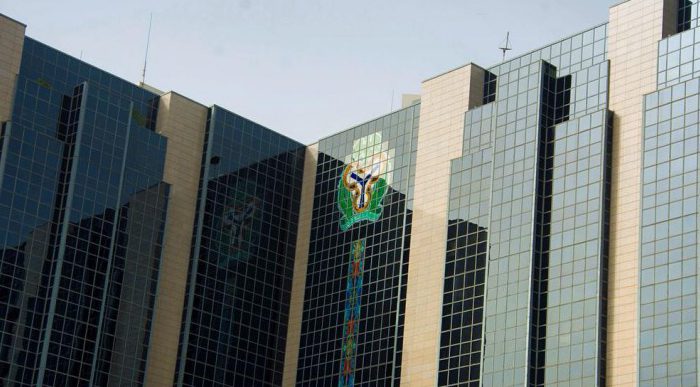
Ahead of the Monetary Policy Committee (MPC) meeting scheduled for May 19 and 20, 2026, the Central Bank of Nigeria (CBN) has disclosed that 63.3 per cent of Nigerians support a reduction in interest rates.
The apex bank made the disclosure in its April 2026 Inflation Expectations Survey Report, released by its Statistics Department under the Economic Policy Directorate.
According to the report, 26.0 per cent of respondents preferred that interest rates be maintained at current levels, while 10.7 per cent supported a further increase.
It stated that despite persistent inflationary pressures, a majority of respondents continue to favour lower borrowing costs.
“The survey revealed high public engagement with CBN communications (92.1 per cent), a general perception of transparency (93.3 per cent), and a strong desire for a reduction in interest rates (63.3 per cent),” the report noted.
The development comes as the CBN prepares to take a fresh decision on the Monetary Policy Rate at the upcoming MPC meeting amid rising inflation, energy costs, exchange rate volatility and security challenges.
On inflation perception, the report showed that 67.2 per cent of respondents described inflation as high in April 2026, up from 56.4 per cent in March.
It added that the Inflation Perception Index stood at 40.5 points in April, indicating sustained concern over price levels.
Households reporting high inflation rose from 61.7 per cent in March to 68.8 per cent in April, while businesses increased from 51.9 per cent to 65.9 per cent within the same period.
Micro businesses recorded the highest inflation perception at 69.9 per cent, while medium-sized firms recorded 63.2 per cent.
The report also showed income-based disparities, with households earning below ₦70,000 monthly reporting the highest inflation perception at 77.9 per cent, while those earning between ₦250,001 and ₦350,000 recorded the lowest at 46.6 per cent.
Rural households were more affected, with 70.4 per cent reporting high inflation compared to 67.6 per cent in urban areas.
Respondents identified energy costs, transportation, exchange rate pressures, insecurity and infrastructure deficits as the major drivers of inflation.
Despite current pressures, the survey indicated cautious optimism, with 20.4 per cent of respondents expecting inflation to decline over the next six months.
The study covered 3,587 respondents, including 1,923 firms and 1,664 households drawn from national statistical sampling frames.












Ebola Patient in Nigeria Is Wife of Swiss Diplomat, Switzerland Says

Uba Sani Vows Massive Kaduna Support for Tinubu Ahead of 2027 Election

Atiku Asks Tinubu to Identify Those Behind Alleged Ministerial Appointment Bribes

One Dead, Three Rescued After Two-Storey Building Collapses in Lagos

CBN grants JPMorgan approval-in-principle to establish Merchant Bank in Nigeria

BREAKING: Veteran Nollywood Actor Francis Duru Dies at 57

Ebola: FG Orders Nationwide Awareness Campaign After Reported Case in Abuja

Sultan of Sokoto Meets Tinubu, Prays for Peaceful Elections

NEC Endorses 90-Day Plan to Ease Cost of Living, Targets Single-Digit Inflation

JUST-IN: Tinubu Appoints Ex-DSS DG Bichi to Lead NISS Governing Board

Gov Sule commends DSS over arrests, ammunition recoveries in Nasarawa

FCT Teachers Resume Classes After Suspending Two-Week Strike

NUJ demands justice, fair hearing and protection of press freedom in Farida Isiak’s case
JUST-IN: Tinubu Appoints Ex-DSS DG Bichi to Lead NISS Governing Board
NEC Endorses 90-Day Plan to Ease Cost of Living, Targets Single-Digit Inflation
Ebola: FG Orders Nationwide Awareness Campaign After Reported Case in Abuja
Sultan of Sokoto Meets Tinubu, Prays for Peaceful Elections
CBN grants JPMorgan approval-in-principle to establish Merchant Bank in Nigeria
Atiku Asks Tinubu to Identify Those Behind Alleged Ministerial Appointment Bribes
BREAKING: Veteran Nollywood Actor Francis Duru Dies at 57
-
 News2 days ago
Gov Sule commends DSS over arrests, ammunition recoveries in Nasarawa
-
 FCT News2 days ago
FCT Teachers Resume Classes After Suspending Two-Week Strike
-
 NUJ FCT1 day ago
NUJ demands justice, fair hearing and protection of press freedom in Farida Isiak’s case
-
 National News1 day ago
JUST-IN: Tinubu Appoints Ex-DSS DG Bichi to Lead NISS Governing Board
-
 National News1 day ago
NEC Endorses 90-Day Plan to Ease Cost of Living, Targets Single-Digit Inflation
-
 National News1 day ago
Ebola: FG Orders Nationwide Awareness Campaign After Reported Case in Abuja
-
 National News1 day ago
Sultan of Sokoto Meets Tinubu, Prays for Peaceful Elections
-
 Business2 hours ago
CBN grants JPMorgan approval-in-principle to establish Merchant Bank in Nigeria