
News
CBN launches Nigerian Overnight Financing Rate to strengthen market transparency, monetary policy transmission

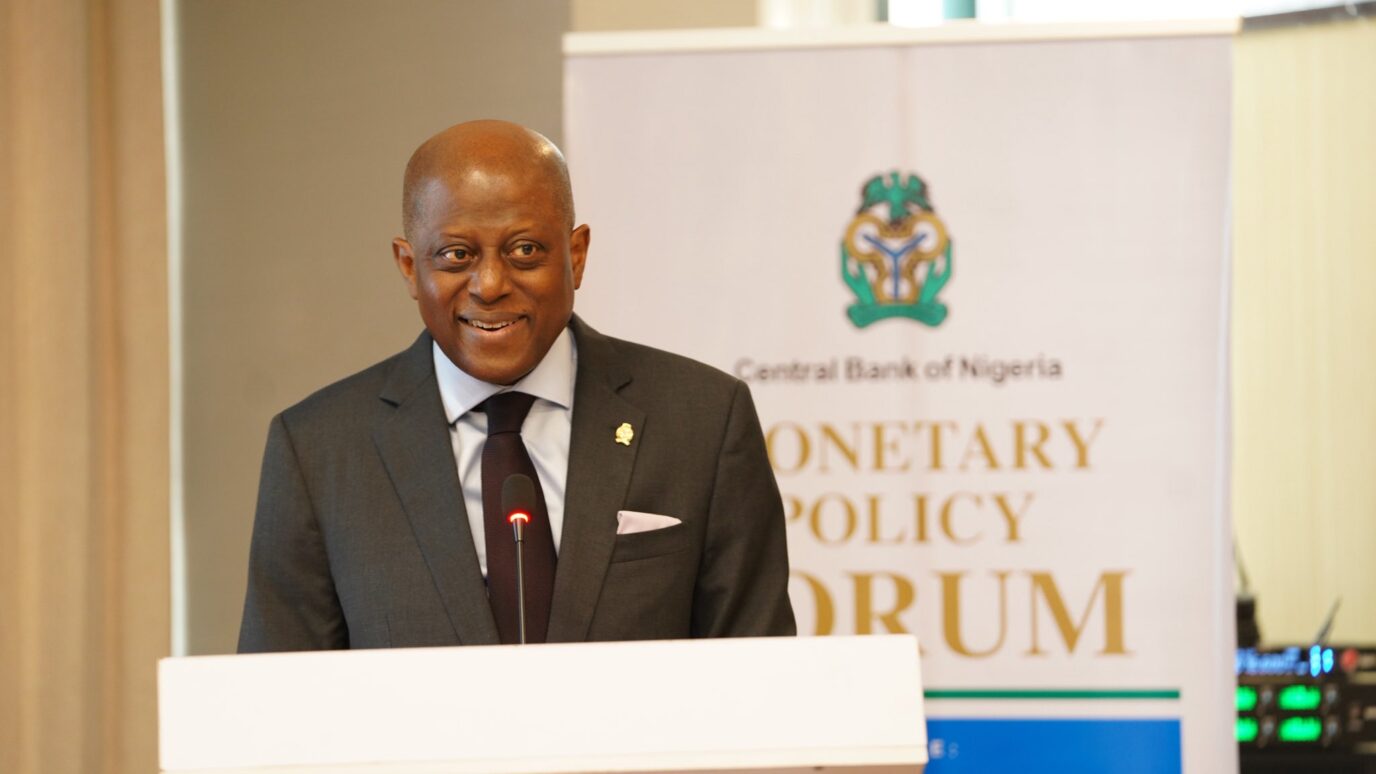
The Central Bank of Nigeria (CBN) on Monday officially launched the Nigerian Overnight Financing Rate (NOFR), a new transaction-based benchmark interest rate designed to enhance transparency, improve monetary policy transmission, and deepen the country’s financial markets.
Speaking at the unveiling ceremony held at the CBN headquarters in Abuja, the Governor of the Central Bank, Mr Olayemi Cardoso, described the initiative as a key reform aimed at building a more resilient, efficient, and credible financial system in Nigeria.
Cardoso said the introduction of NOFR marks a significant shift in the country’s financial architecture, aligning Nigeria’s money market operations with global best practices.
“The introduction of NOFR represents a significant reform that reinforces the Central Bank of Nigeria’s commitment to building a more resilient, efficient, and credible financial services sector,” he said.
He explained that benchmark interest rates are critical to modern financial systems as they serve as reference points for pricing financial instruments, managing liquidity, and transmitting monetary policy decisions across the economy.
According to him, global financial markets have increasingly moved from judgment-based benchmarks to transaction-based reference rates derived from actual market activity, in order to improve credibility and reduce the risk of manipulation.
Cardoso noted that the NOFR was developed in collaboration with the Financial Markets Dealers Association, with technical support from the European Bank for Reconstruction and Development (EBRD).
He said the new benchmark is based on secured overnight interbank transactions, reflecting the true cost of short-term funding in Nigeria’s money market.
“By anchoring the benchmark on observable transactions, NOFR enhances market integrity and credibility, reduces reliance on subjective estimates, minimises the risk of manipulation, and improves price discovery and transparency,” the CBN governor stated.
He added that the reform would deepen financial markets, strengthen investor confidence, and improve liquidity management across the banking system.
According to him, NOFR will serve as a reliable reference rate for treasury operations, pricing of financial contracts and securities, development of derivatives, and risk management frameworks.
Cardoso also said the benchmark would improve transparency in the pricing of loans and wholesale deposits, while strengthening the effectiveness of monetary policy transmission.
“These are critical to having a more effective monetary policy transmission mechanism supporting the delivery of the price stability mandate of the CBN,” he said.
In remarks reflecting on early policy challenges, the CBN governor noted that inefficiencies in monetary transmission influenced key decisions upon assumption of office, stressing the importance of a functional benchmark system for policy effectiveness.
Also speaking at the event, the Deputy Governor, Economic Policy Directorate, Philip Ikeazor, described the launch as a milestone in Nigeria’s financial market evolution, noting that it reflects progress, modernisation, and institutional strengthening.
“This journey to this moment demanded a clear vision, technical rigour, collaboration, resilience, and perhaps most importantly, a shared conviction that our financial system must continuously evolve to meet the demands of a changing world,” he said.
Representing the Managing Director of Access Bank Plc, Roosevelt Ogbonna, the Group Head of Treasury, David Enilolobo, said the introduction of NOFR represents a structural reform rather than a ceremonial policy move.
He noted that benchmark rates influence daily financial decisions affecting millions of households and businesses, stressing that credibility and transparency are essential to market confidence.
“Nigeria’s ambition to deepen its financial market and grow its standing in global capital flows cannot be realised without this kind of infrastructure,” he said, pledging industry support for the new benchmark.
Earlier in April 2026, the CBN had announced plans to introduce the Nigerian Overnight Financing Rate as part of broader reforms aimed at strengthening financial market integrity and improving monetary policy effectiveness.














Lagos-Ibadan Expressway Gridlock Lasts 14 Hours After Seven-Vehicle Crash at Kara

Presidency Dares Peter Obi to Quit 2027 Race Over Anambra Debt Claims

INEC Explains Amupitan’s Absence, Says Chairman Can Delegate Powers to National Commissioners

JAMB Begins Major UTME Review, Plans Life Skills, Critical Thinking Test

Supreme Court Reserves Judgment on Electoral Act 2026 Dispute

Court Orders Tinubu to Be Served With Atiku’s Suit Seeking His Disqualification

BREAKING: Nollywood Icon Olu Jacobs Dies at 84

I Don’t Need a Son to Inherit My Empire, My Daughters Can Lead — Dangote

Wike’s Rainbow Coalition Threat to APC Survival, Cohesion — Onoh

King’s College Concession: Education Workers Threaten Nationwide Shutdown of Unity Colleges

Police Issue Nationwide Red Alert Over Planned Terrorist Attacks on Schools, Churches, Mosques

2027: INEC Promises Transparent, Credible and Peaceful General Election
King’s College Concession: Education Workers Threaten Nationwide Shutdown of Unity Colleges
Wike’s Rainbow Coalition Threat to APC Survival, Cohesion — Onoh
BREAKING: Nollywood Icon Olu Jacobs Dies at 84
Court Orders Tinubu to Be Served With Atiku’s Suit Seeking His Disqualification

BREAKING: Nigeria’s Inflation Rate Falls to 15.39% in August — NBS
INEC Explains Amupitan’s Absence, Says Chairman Can Delegate Powers to National Commissioners
Presidency Dares Peter Obi to Quit 2027 Race Over Anambra Debt Claims
Lagos-Ibadan Expressway Gridlock Lasts 14 Hours After Seven-Vehicle Crash at Kara
-
 News2 days ago
Police Issue Nationwide Red Alert Over Planned Terrorist Attacks on Schools, Churches, Mosques
-
 News2 days ago
2027: INEC Promises Transparent, Credible and Peaceful General Election
-
 News2 days ago
King’s College Concession: Education Workers Threaten Nationwide Shutdown of Unity Colleges
-
 News15 hours ago
Court Orders Tinubu to Be Served With Atiku’s Suit Seeking His Disqualification
-
 News2 days ago
Wike’s Rainbow Coalition Threat to APC Survival, Cohesion — Onoh
-
 Entertainment22 hours ago
BREAKING: Nollywood Icon Olu Jacobs Dies at 84
-
 News2 days ago
BREAKING: Nigeria’s Inflation Rate Falls to 15.39% in August — NBS
-
 News14 hours ago
Supreme Court Reserves Judgment on Electoral Act 2026 Dispute