

World News
Explosions rock Tehran as Middle East War escalates, Trump seeks help

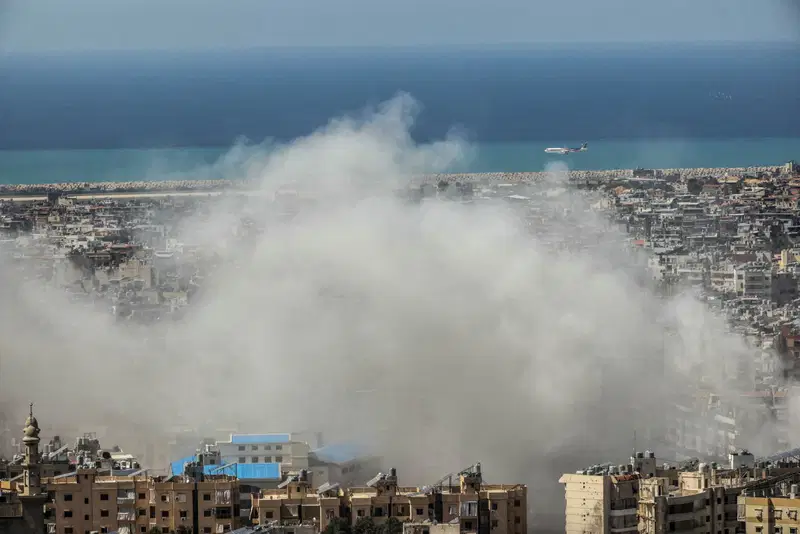
Loud explosions shook Tehran on Tuesday following a night of heavy bombardment, as US President Donald Trump pressed allies to assist in the escalating Middle East conflict, which has triggered global economic turmoil.
Oil prices jumped more than five percent after several countries resisted US calls to help protect shipping through the Strait of Hormuz, a strategic waterway critical for the transit of crude oil and liquefied natural gas.
The war, now in its third week, has killed hundreds and seen Iran launch retaliatory strikes against Israel and Gulf nations. A new front has also opened in Lebanon, where Israel is engaging Tehran-backed Hezbollah forces.
Iraq has been drawn into the conflict as well, with a drone and rocket attack targeting the US embassy in Baghdad early Tuesday.
AFP journalists reported blasts across Tehran, mixing with thunder and rain. Israel’s army earlier confirmed it had conducted a wave of strikes “against Iranian terror regime infrastructure across Tehran,” alongside attacks in Lebanon.
In Beirut’s southern suburbs, Israeli strikes hit a residential building in a Hezbollah stronghold. Firefighters were seen tackling the blaze, with rubble strewn across nearby streets.
The war has displaced millions in Iran and Lebanon while disrupting the global economy. Tehran has targeted energy facilities in neighboring Gulf states and threatened tankers in the Strait of Hormuz, through which one-fifth of the world’s crude oil passes. Trump has urged world powers, including US allies, to deploy warships to escort tankers, but so far, most have refused.
Global Pushback
Trump called for allies to join an armada to protect shipping in the strait, warning that refusal could undermine NATO. However, the United Kingdom, Germany, Japan, Australia, Poland, Spain, Greece, and Sweden have all declined to engage militarily. EU officials discussed the crisis in Brussels but showed “no appetite” for extending naval operations to Hormuz.
Analysts say Washington’s unilateral approach has frustrated partners. “The United States launched a war without consulting allies, expecting them to mop up the mess, and that’s not going fly,” said Erwan Lagadec of George Washington University.
Defiant Tehran
Trump admitted he was “shocked” by Iran’s responses, which have targeted Qatar, Saudi Arabia, UAE, Bahrain, and Kuwait. A missile intercept in Abu Dhabi killed one person on Tuesday.
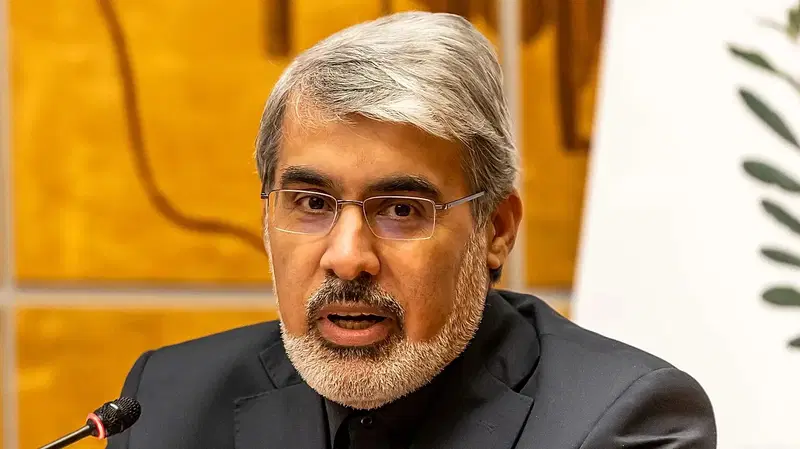
Iranian Foreign Minister Abbas Araghchi struck a defiant tone, stating Tehran “does not hesitate to defend itself and is ready to continue the war wherever it may lead, and take it as far as necessary.”
Iraq and Lebanon Drawn In
Western allies urged Israel to exercise restraint in Lebanon, where over one million people have been displaced since March 2, including more than 130,000 in collective shelters. Hezbollah militants entered the conflict after the killing of Iranian Supreme Leader Ayatollah Ali Khamenei.
Iraq has also been drawn further into the conflict. A drone and rocket attack struck the US embassy in Baghdad, while another strike killed four people at a residence reportedly hosting Iranian advisors. AFP journalists observed black smoke rising from the embassy complex alongside air defence interceptions.
As the conflict continues, analysts warn of worsening humanitarian and economic consequences across the region, with the global energy market particularly affected by the instability in the Gulf.







News55 seconds ago
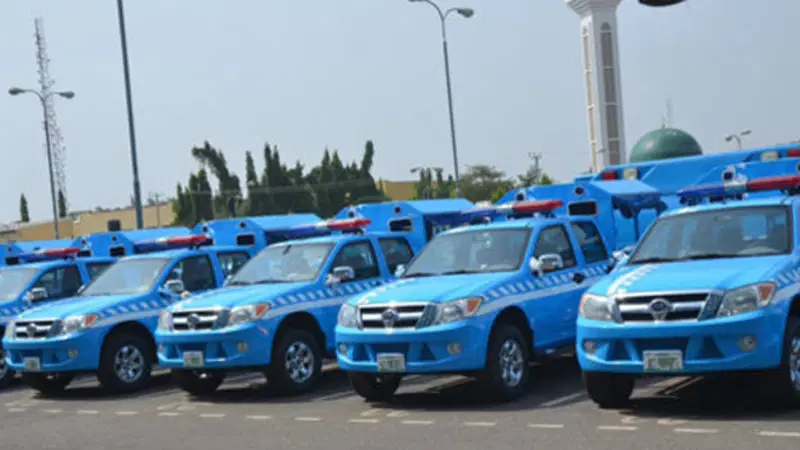
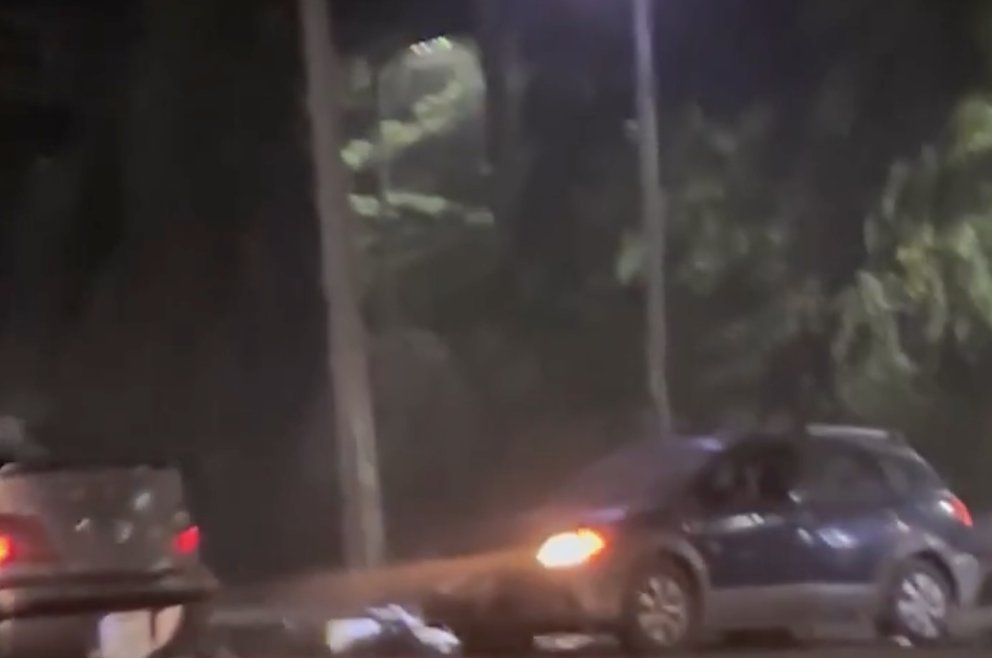
FRSC confirms 39 involved in Abuja multi-vehicle collision

World News4 minutes ago
Explosions rock Tehran as Middle East War escalates, Trump seeks help

National News7 minutes ago
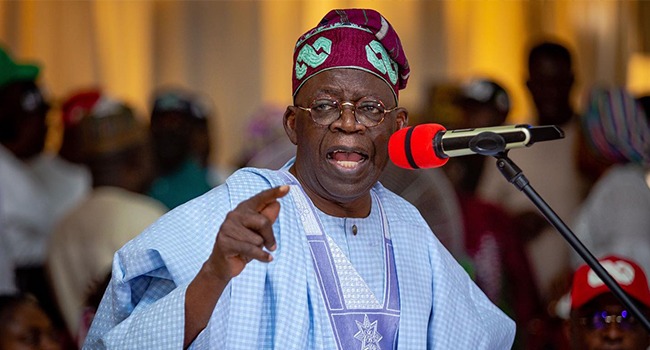
Tinubu orders security Chiefs to relocate to Maiduguri, pledges total victory over terrorists

News11 minutes ago
NBA slams Abuja Judge for ordering Sowore’s lawyer to kneel in court

News2 hours ago
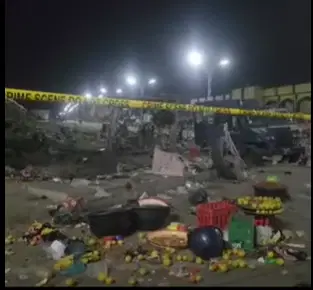
23 Killed, 108 injured in Maiduguri suicide bomb attacks – Police

News2 hours ago
NRC explains cause of Abuja–Kaduna rail disruption

News14 hours ago
BREAKING: Several injured as explosions rock Maiduguri

World News18 hours ago
Iran tells UN it will not submit to ‘lawless aggression’

Entertainment18 hours ago
Burna Boy sets record with $3.1m Oceania Tour revenue

Sports18 hours ago
Chelsea fined £10.75m over historical transfer payments

Sports1 day ago
FIFA fines Nigeria, DR Congo over match misconduct

FCT News2 days ago
Police recover stolen vehicle, arrest suspect in Abuja
National News1 day ago
Tinubu directs nationwide rice distribution for Ramadan, Lent

World News1 day ago
Trump: US in talks with Iran, but Tehran not ready for deal

FCT News1 day ago
Fear grips FCT Communities after suspected bandits issue warning

News1 day ago
Zamfara Gov approves Managing Director for new International Airport

News19 hours ago
INEC calls for mass voter education ahead of 2027 elections

Sports1 day ago
Joan Laporta reelected Barcelona President until 2031

News1 day ago
Zamfara Educator killed in bandit kidnapping despite ransom paid

World News1 day ago
Middle East conflict drives oil prices higher amid supply disruptions
-
 Sports1 day ago
FIFA fines Nigeria, DR Congo over match misconduct
-
 FCT News2 days ago
Police recover stolen vehicle, arrest suspect in Abuja
-
 National News1 day ago
Tinubu directs nationwide rice distribution for Ramadan, Lent
-
 World News1 day ago
Trump: US in talks with Iran, but Tehran not ready for deal
-
 FCT News1 day ago
Fear grips FCT Communities after suspected bandits issue warning
-
 News1 day ago
Zamfara Gov approves Managing Director for new International Airport
-
 News19 hours ago
INEC calls for mass voter education ahead of 2027 elections
-
 Sports1 day ago
Joan Laporta reelected Barcelona President until 2031