






World News
ICC convicts Sudanese militia Ali Kushayb for 20 Years

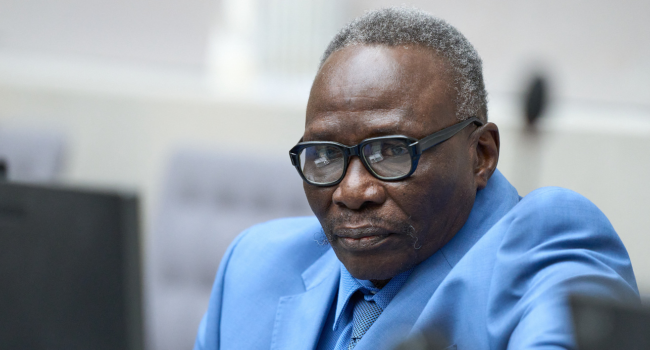
The International Criminal Court (ICC) on Tuesday sentenced a former Sudanese militia commander, Ali Muhammad Ali Abd-Al-Rahman, widely known as Ali Kushayb, to 20 years in prison for his role in gruesome war crimes and crimes against humanity committed during the Darfur conflict more than two decades ago.
Abd-Al-Rahman, now 76, was earlier found guilty of 27 counts, including murder, rape, torture and persecution, over attacks carried out in Darfur between 2003 and 2004. Dressed in a blue suit and tie, he showed little emotion as the presiding judge, Joanna Korner, delivered the sentence.
The court described Abd-Al-Rahman as a top figure in the notorious Janjaweed, the Arab militia backed by Khartoum during the civil war. Judges ruled that he “actively” took part in atrocities, often directing operations and at times personally inflicting violence.
Korner said evidence showed he ordered executions, supervised brutal assaults and even used an axe on victims. She cited chilling accounts from survivors who spoke of a “campaign of extermination, humiliation and displacement.”
Quoting testimony in court, Korner noted: “Days of torture began at sunrise… blood ran freely in the streets… There was no medical help, no treatment, no mercy.” She added that witnesses recalled Abd-Al-Rahman stepping on the heads of injured men, women and children.
Prosecutor Julian Nicholls had pushed for a life sentence, telling the judges that “you literally have an axe murderer before you.” But Abd-Al-Rahman denied any senior role in the Janjaweed, which was deployed by the government to crush mainly Black African communities who had taken up arms, alleging years of discrimination.
He fled to the Central African Republic in 2020 after Sudan’s transitional government signalled its willingness to hand over suspects to the ICC. He later surrendered to the court, claiming he feared being killed — an explanation judges dismissed. However, the voluntary surrender, his age and his behaviour in custody were considered as mitigating factors.
Korner noted that the tribunal would have issued a harsher punishment if not for those mitigating circumstances. The years he has spent in detention since June 2020 will count toward the final sentence.
A Symbolic Judgment
The Darfur conflict erupted in the early 2000s when non-Arab communities revolted against what they said were discriminatory policies by the Arab-dominated government. The Janjaweed was unleashed in response, leading to mass killings and displacement. The United Nations estimates that about 300,000 people were killed and 2.5 million forced from their homes.
The ICC hopes the conviction will strengthen its efforts to pursue new arrest warrants linked to Sudan’s ongoing conflict, where clashes between the Sudanese army and the Rapid Support Forces (RSF) — a group with Janjaweed roots — have left tens of thousands dead and pushed the country to the edge of famine.
In delivering the sentence, Korner stressed the need for both justice and deterrence, saying it was crucial given “the current situation in Sudan.” Victims’ representatives had pushed for a punishment that would ensure Abd-Al-Rahman never returned home.
Though the ICC is empowered to issue life sentences, it has never exercised that option. Deputy prosecutor Mame Mandiaye Niang said the judgment carried deep symbolic weight.
“It is a signal to victims in Sudan, and a warning to those still committing atrocities, that justice may be slow but it will catch up with you,” he told AFP.








News1 hour ago
Julius Berger demonstrates commitment to CSR as Academy graduates 36

National News2 hours ago
International Women’s Day: NSITF Boss bags TUC award of Excellence

News9 hours ago
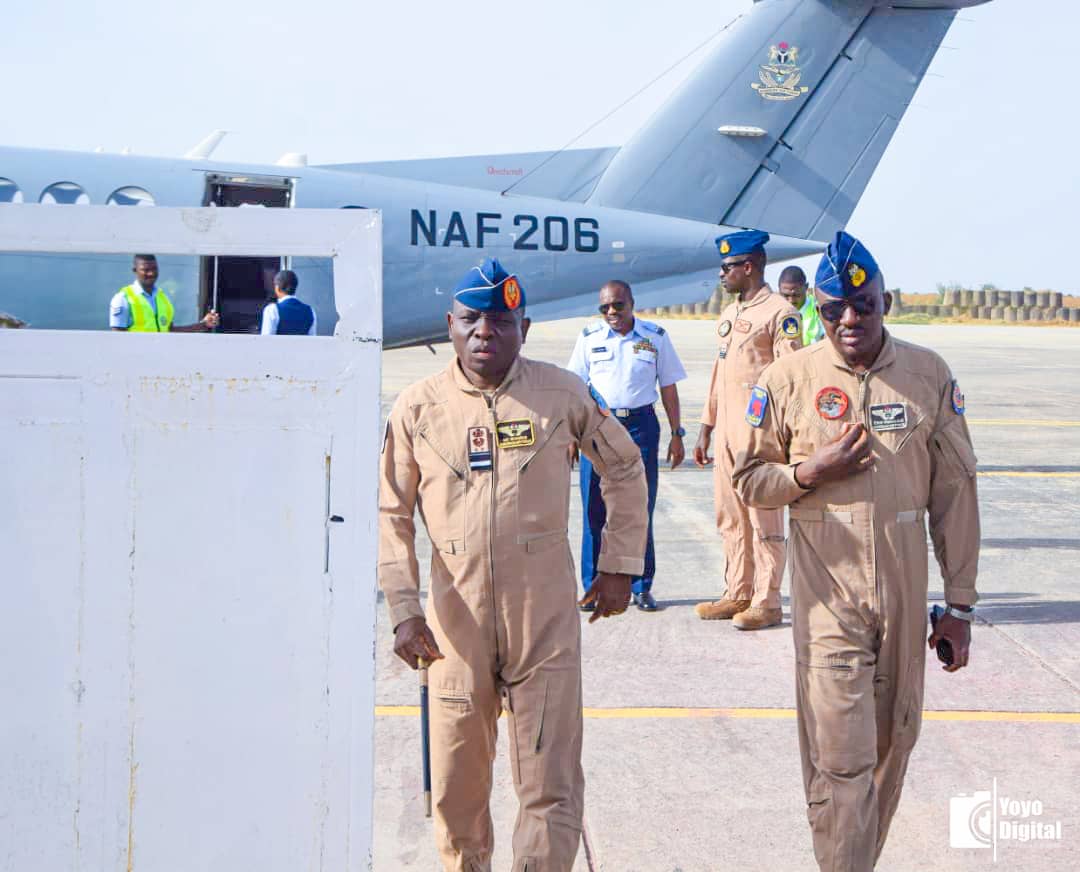
NAF reinforces airpower support for operation HADIN KAI in Northeast

News13 hours ago
IGP urges court to dismiss El-Rufai’s ₦1bn rights suit

Sports13 hours ago
Anthony Joshua relocates to Dubai, family confirms

National News13 hours ago
NiMet issues Meningitis alert across Northern Nigeria

National News13 hours ago
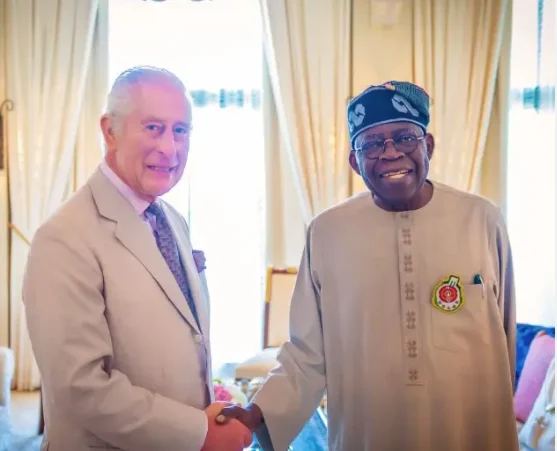
UK tightens security as Tinubu begins state visit to Windsor

News13 hours ago
PDP, Labour Party lose 11 Lawmakers to APC, ADC in fresh defections

Business13 hours ago
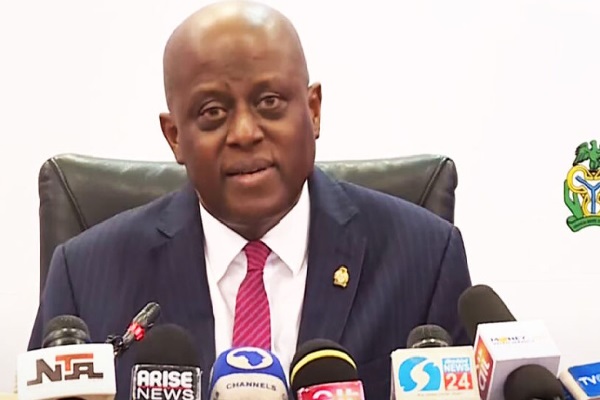
30 Nigerian Banks meet CBN recapitalisation rarget ahead of deadline

National News14 hours ago
FCCPC probes airlines over Christmas fare hike, sanctions loom

Uncategorized23 hours ago
Empowering Women: Economic, social necessity –Faleye

Sports2 days ago
Kano Governor sacks Head of Service Abdullahi Musa

News2 days ago
Iran warns protesters supporting foreign enemies will be treated as ‘enemies’

News23 hours ago
Celebrating Funke Ishola: A Trailblazer and pillar of empowerment

News2 days ago
Traders shut down Lagos International Trade Fair Complex over takeover concerns

Sports2 days ago
Flying Eagles midfielder Daniel Daga sentenced to six months in Norway

World News2 days ago
Iran’s new Supreme Leader Mojtaba Khamenei injured but safe, official says

World News2 days ago
Nigerian among victims as UAE intercepts Iranian missiles

National News2 days ago
Tinubu nominates Lamido Yuguda as CBN Deputy Governor

World News2 days ago
Iran launches fresh missile strikes on Israeli, US targets in Middle East
-
 Uncategorized23 hours ago
Empowering Women: Economic, social necessity –Faleye
-
 News2 days ago
Iran warns protesters supporting foreign enemies will be treated as ‘enemies’
-
 Sports2 days ago
Kano Governor sacks Head of Service Abdullahi Musa
-
 News23 hours ago
Celebrating Funke Ishola: A Trailblazer and pillar of empowerment
-
 News2 days ago
Traders shut down Lagos International Trade Fair Complex over takeover concerns
-
 Sports2 days ago
Flying Eagles midfielder Daniel Daga sentenced to six months in Norway
-
 National News2 days ago
Tinubu nominates Lamido Yuguda as CBN Deputy Governor
-
 World News2 days ago
Iran’s new Supreme Leader Mojtaba Khamenei injured but safe, official says