

National News
NASS proposal for six new states sparks fresh debate over equity, regional balance


The joint committee of the Nigerian Senate and House of Representatives has recommended the creation of six new states, a move that could raise Nigeria’s total from 36 to 42 if fully approved.
The resolution was reached at the end of a two-day retreat in Lagos, co-chaired by the Deputy Senate President, Barau Jibrin, and the Deputy Speaker of the House of Representatives, Benjamin Kalu.
Lawmakers reviewed 69 constitutional amendment bills, including 55 state creation requests, two boundary adjustment proposals, and 278 requests for new local governments before reaching a unanimous decision. Each geopolitical zone is expected to get one additional state under the recommendation.
If implemented, the arrangement means the South South and South West will each have seven states, the South East six, the North East seven, the North Central seven (with the FCT treated as a state), and the North West eight.
The proposal has, however, revived longstanding concerns about regional imbalance—especially in the South East, which currently has the fewest states. Many stakeholders have repeatedly pushed for additional states in the region to promote fairness and political equity.
Despite the general expectation that the South East would gain a significant correction with state creation, the committee’s proposal adds only one state to the region, raising its total to six while other zones rise to seven or eight. Critics say this still leaves the South East at a disadvantage.
Elder statesman Dr. Chike Obidigbo expressed worry over what he called “needless rancour” around the choice of which South Eastern communities should form the new state. He warned that political manipulation around the process could deepen division among the Igbo.
Obidigbo urged Ohanaeze Ndigbo to take the lead in resolving the competing demands, stressing the historical validity of blocs like Adada and the merits of other proposals such as Etiti State.
He cautioned that any plan involving Anioma State must take into account Delta State’s political realities and the likelihood of a referendum. According to him, external interests promoting that agenda could be doing so to stir division based on narratives of “core” and “peripheral” Igbo identity.
Dr. Chuka Nnabuife, Managing Director of the Anambra State Civic and Social Reformation Office, took a broader view, praising the National Assembly for acknowledging the need for more states.
He argued that the creation of additional states boosts development by bringing governance closer to the people, just as seen in the transition from 12 states to the current 36.
However, he insisted that true fairness would require the South East getting two new states—not just one—while other regions receive one each, with exceptions for zones already saturated.
According to him, “If we are creating one more state in the Southeast and creating additional states for the other regions, the imbalance will continue. Equity demands two states for the South East.”
As the debate intensifies, the National Assembly’s recommendation is expected to face rigorous scrutiny, especially from regions that believe the proposal still fails to address long-standing structural inequalities.









News10 hours ago
NAF launches investigation into alleged civilian casualties in Jilli airstrike

News1 day ago
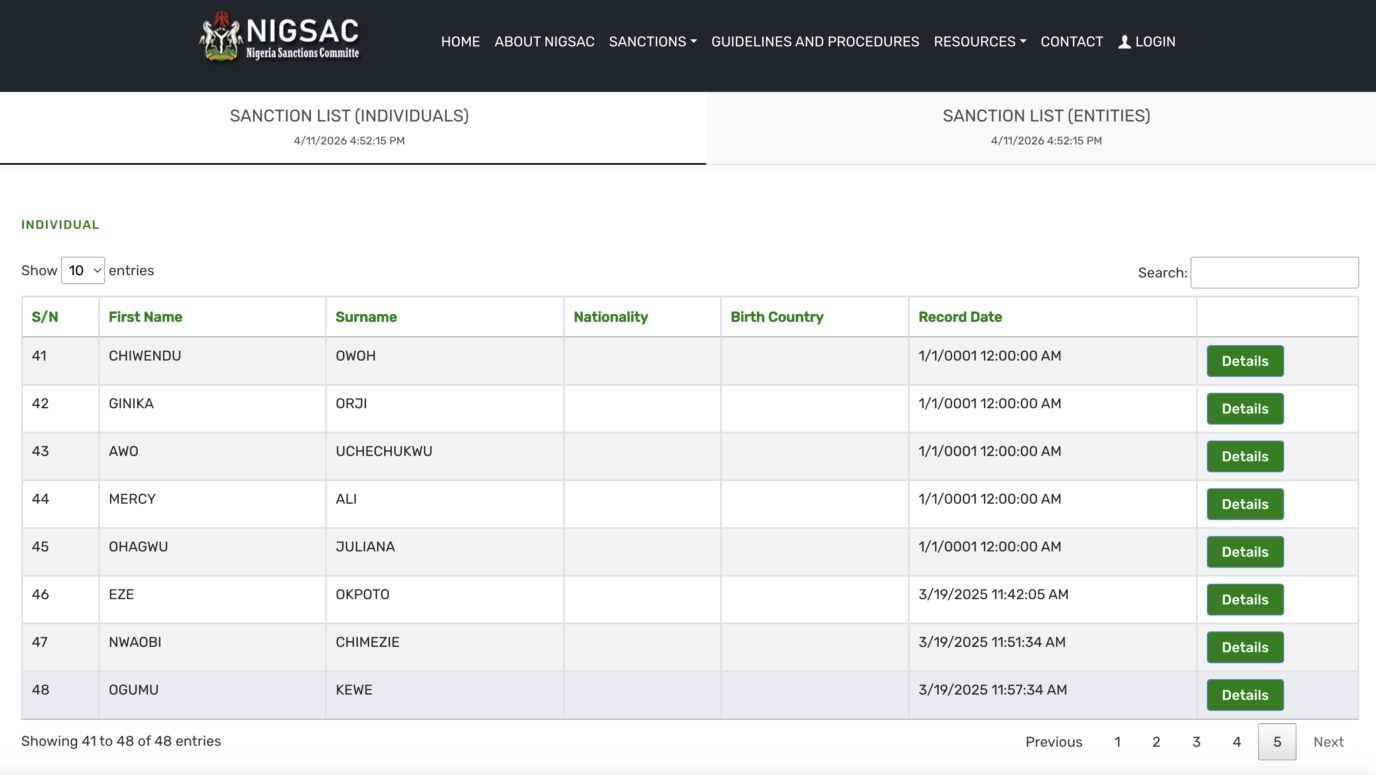
FG publishes updated list of 48 individuals, groups over terrorism sponsorship allegations (Full List)

News1 day ago
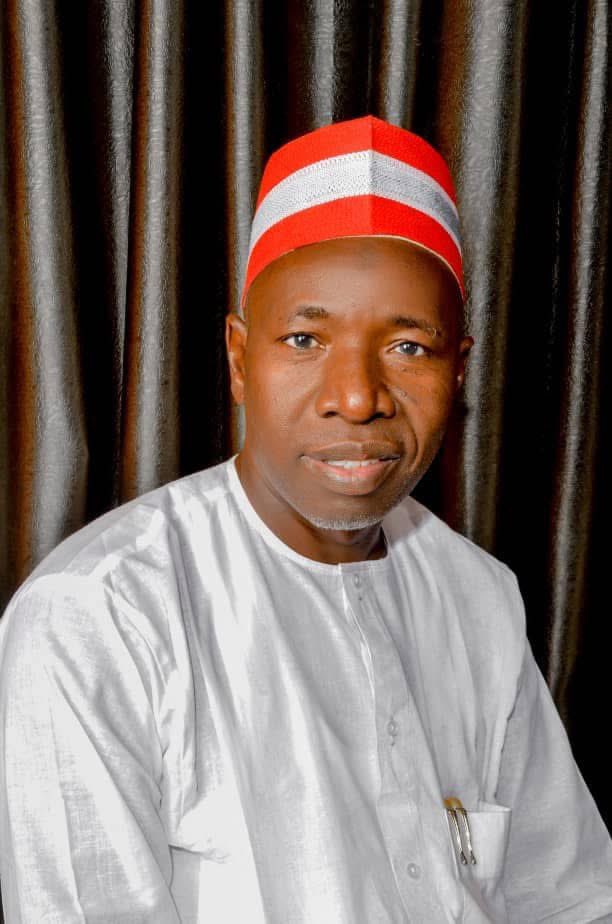
Reps Member Muhammad Danjuma Hassan dies at 66

Feature1 day ago
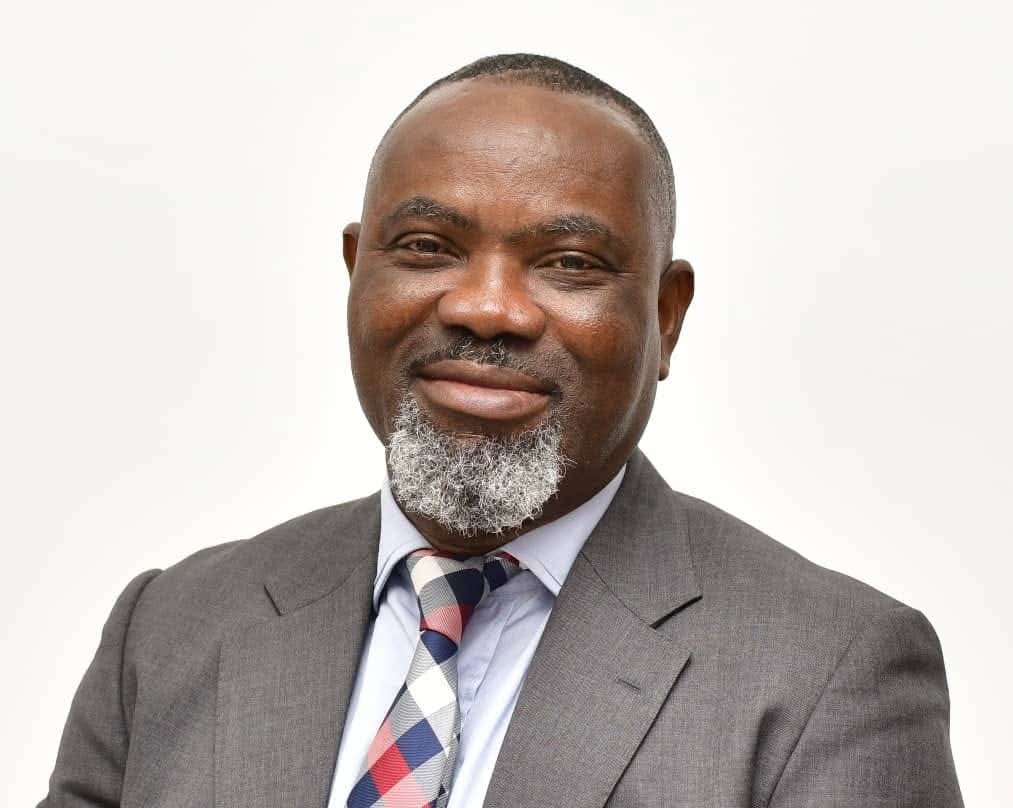
Celebrating Hon Emmanuel Ironbar: An exceptional leader with the Midas Touch

News2 days ago
Transcorp Hilton debunks ADC’s allegation of venue booking cancellation

News2 days ago
INEC postpones nationwide voter revalidation exercise until after 2027 elections

National News2 days ago
Tinubu acknowledges economic hardship, urges Nigerians to stay hopeful

News2 days ago
Court convicts 386 terrorism suspects in four-day mass trial, jails them up to life imprisonment

News3 days ago
ADC in disarray, lacks structure to survive crisis — Bwala

Sports3 days ago
Africa’s Referee representatives for 2026 World Cup announced (Full List)
Feature1 day ago
Celebrating Hon Emmanuel Ironbar: An exceptional leader with the Midas Touch
News2 days ago
Transcorp Hilton debunks ADC’s allegation of venue booking cancellation
News1 day ago
Reps Member Muhammad Danjuma Hassan dies at 66
News1 day ago
FG publishes updated list of 48 individuals, groups over terrorism sponsorship allegations (Full List)
News10 hours ago
NAF launches investigation into alleged civilian casualties in Jilli airstrike
-
 Feature1 day ago
Celebrating Hon Emmanuel Ironbar: An exceptional leader with the Midas Touch
-
 News2 days ago
Transcorp Hilton debunks ADC’s allegation of venue booking cancellation
-
 News1 day ago
Reps Member Muhammad Danjuma Hassan dies at 66
-
 News1 day ago
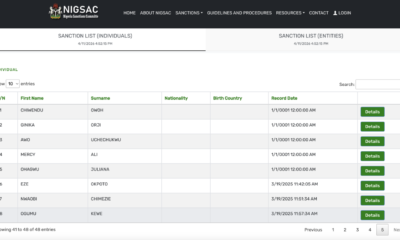
FG publishes updated list of 48 individuals, groups over terrorism sponsorship allegations (Full List)
-
 News10 hours ago
NAF launches investigation into alleged civilian casualties in Jilli airstrike