
National News
Tinubu approves ₦3.3trn power debt settlement to tackle outages, boost economy

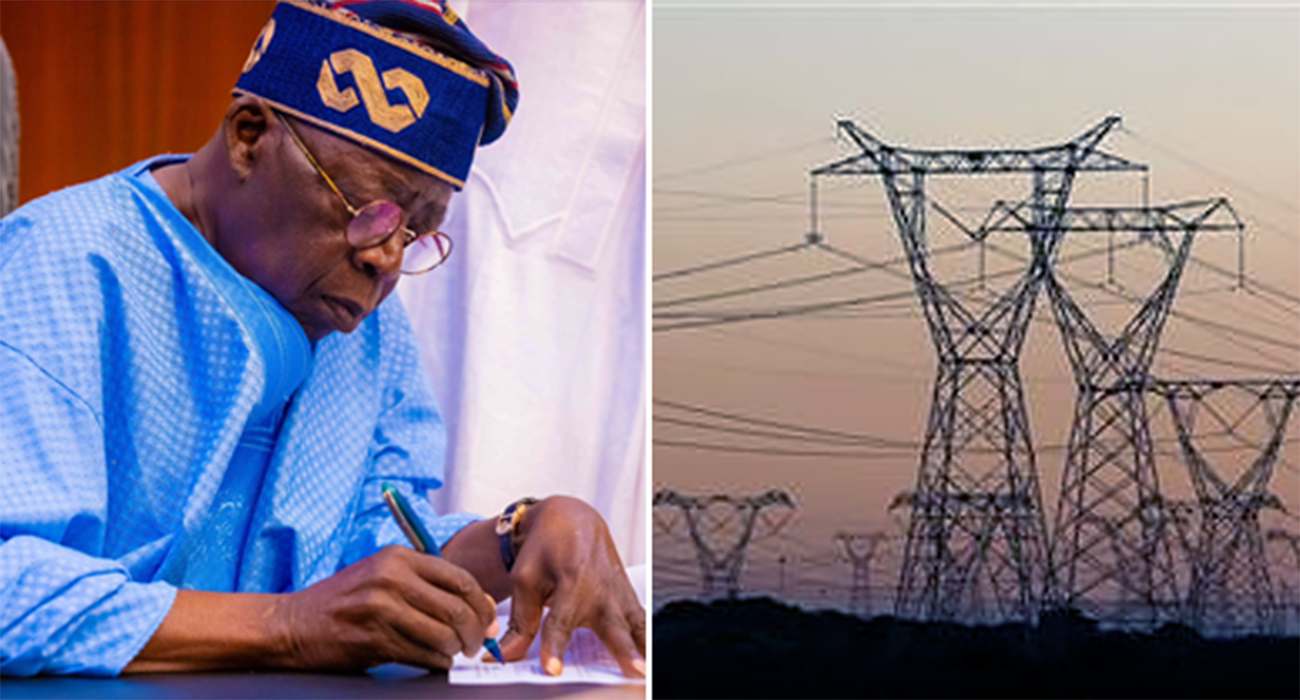
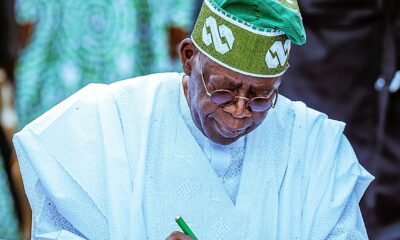
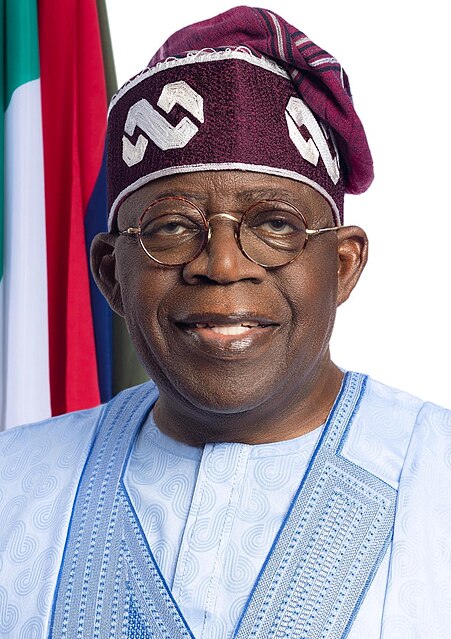
President Bola Ahmed Tinubu has approved a ₦3.3 trillion payment plan to settle long-standing debts in Nigeria’s power sector, in a move aimed at improving electricity supply and restoring investor confidence.
The development was disclosed in a statement issued by the President’s Special Adviser on Information and Strategy, Bayo Onanuga.
According to the statement, the approval followed a final review of legacy debts accumulated under the Presidential Power Sector Financial Reforms Programme over a 10-year period, from February 2015 to March 2025.
“Following verification, ₦3.3 trillion has been agreed as a full and final settlement, ensuring a fair and transparent resolution,” the statement noted.
The Federal Government said implementation of the repayment plan has already commenced, with 15 power generation companies signing settlement agreements worth ₦2.3 trillion.
It added that ₦501 billion has so far been raised to fund the initiative, out of which ₦223 billion has been disbursed, with further payments ongoing.
Speaking on the significance of the programme, the Special Adviser on Energy to the President, Olu Arowolo-Verheijen, said the initiative is designed to restore confidence across the power value chain.
“This programme is not just about settling legacy debts. It is about restoring confidence across the power sector, ensuring gas suppliers are paid, power plants can keep running, and the system begins to work more reliably,” she said.
She added that the plan forms part of broader reforms, including improved metering and service-based tariffs that align electricity costs with quality of supply.
The government also emphasised that priority would be given to powering businesses, industries, and small enterprises to drive job creation and economic growth.
The presidency noted that settling the debts would enhance liquidity in the sector, leading to more stable electricity generation and improved service delivery.
President Tinubu commended stakeholders for their roles in resolving the long-standing issues and confirmed that the next phase of the reforms, Series II, will commence within the current quarter.
Nigeria’s power sector has long been plagued by frequent grid collapses, low generation capacity, and persistent outages affecting households and businesses.
A 2024 Africa Trade Barometer report estimates that Nigeria loses about $26 billion annually due to power failures, while businesses spend an additional $22 billion on off-grid fuel to mitigate electricity shortages.
The latest intervention is expected to address these challenges and set the sector on a path toward greater stability and efficiency.








News17 hours ago
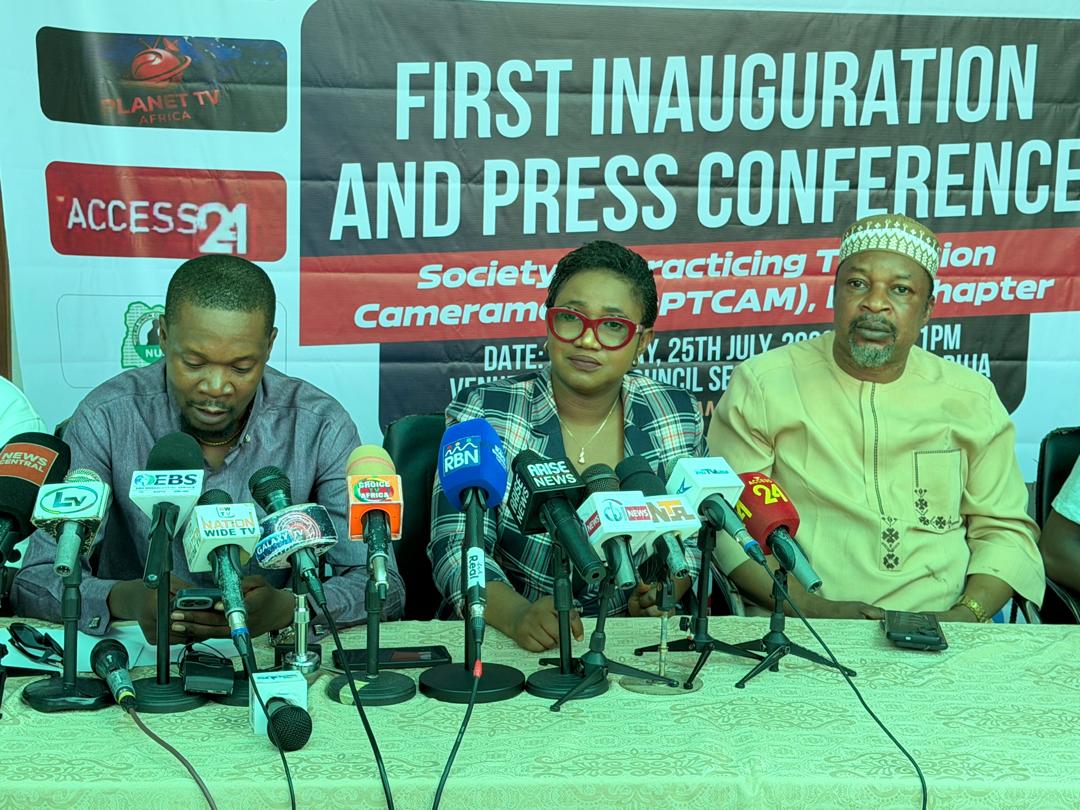
NUJ FCT charges new SOPTCAM executives to raise standards, embrace digital innovation

News24 hours ago
FCT Police Commissioner’s son, Ahmed Sharafadeen Sanusi, weds in Katsina

News24 hours ago
Projects, performance, and people: Obi Aguocha’s re-Election argument

News24 hours ago
Nigeria Police Force to strengthen Complaint Response Unit, boost media engagement

National News2 days ago
NGF commends Tinubu over expansion of Nigerian Army

Sports2 days ago
CAS fixes October 8 hearing in Senegal’s challenge to Morocco’s 2025 AFCON title

World News2 days ago
Nigeria, Seven African Nations hit with 12.5% US tariff

National News2 days ago
No kobo was released to controversial investment Council, Budget Office DG Tells Reps

Sports2 days ago
Ezuruike claims Silver to hand Nigeria first Commonwealth Games medal
National News3 days ago
Tinubu approves expansion of Nigerian Army to 12 Divisions, authorises recruitment of 28,000 personnel
National News2 days ago
No kobo was released to controversial investment Council, Budget Office DG Tells Reps
Sports2 days ago
Ezuruike claims Silver to hand Nigeria first Commonwealth Games medal
World News2 days ago
Nigeria, Seven African Nations hit with 12.5% US tariff
Sports2 days ago
CAS fixes October 8 hearing in Senegal’s challenge to Morocco’s 2025 AFCON title
National News2 days ago
NGF commends Tinubu over expansion of Nigerian Army
News24 hours ago
Nigeria Police Force to strengthen Complaint Response Unit, boost media engagement
News24 hours ago
Projects, performance, and people: Obi Aguocha’s re-Election argument
News24 hours ago
FCT Police Commissioner’s son, Ahmed Sharafadeen Sanusi, weds in Katsina
News17 hours ago
NUJ FCT charges new SOPTCAM executives to raise standards, embrace digital innovation
-
 National News2 days ago
No kobo was released to controversial investment Council, Budget Office DG Tells Reps
-
 Sports2 days ago
Ezuruike claims Silver to hand Nigeria first Commonwealth Games medal
-
 World News2 days ago
Nigeria, Seven African Nations hit with 12.5% US tariff
-
 Sports2 days ago
CAS fixes October 8 hearing in Senegal’s challenge to Morocco’s 2025 AFCON title
-
 National News2 days ago
NGF commends Tinubu over expansion of Nigerian Army
-
 News24 hours ago
Nigeria Police Force to strengthen Complaint Response Unit, boost media engagement
-
 News24 hours ago
Projects, performance, and people: Obi Aguocha’s re-Election argument
-
 News24 hours ago
FCT Police Commissioner’s son, Ahmed Sharafadeen Sanusi, weds in Katsina