



News
NCC, Telcos clash over compensation plan for poor network services

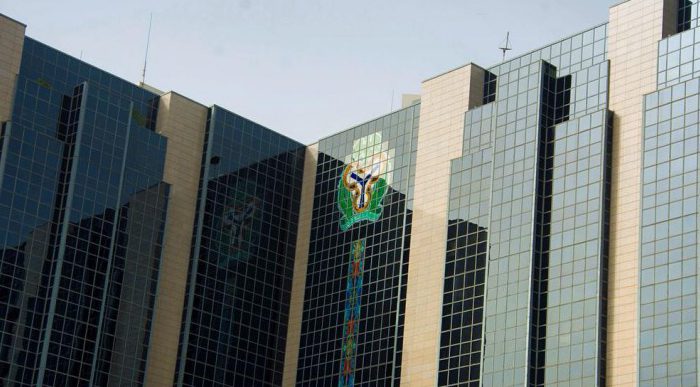
The Nigerian Communications Commission (NCC) and telecom operators are currently at odds over a directive mandating compensation for subscribers affected by poor network services.
The Commission had directed Mobile Network Operators (MNOs) to compensate customers experiencing substandard Quality of Service (QoS) in specific locations, citing persistent service failures across parts of the country.
However, telecom operators, under the umbrella of the Association of Licensed Telecom Operators of Nigeria, have questioned the methodology used by the regulator in determining the alleged infractions.
President of ALTON, Gbenga Adebayo, said operators are engaging the Commission for clarity, noting that some of his members are uncertain about how the conclusions were reached.
He stressed that while operators are willing to comply with regulatory directives, they are also entitled to seek explanations where necessary, adding that discussions are ongoing and may yield a resolution within the stipulated timeframe.
In a statement signed by its Head of Public Affairs, Nnenna Ukoha, the NCC maintained that consumers should not bear the burden of poor service delivery where operators fail to meet required standards.
According to the Commission, affected subscribers will receive compensation in the form of airtime credits, calculated based on their average spending patterns and their location within affected Local Government Areas.
The regulator explained that the directive aligns with its consumer-focused approach aimed at enhancing accountability in the telecommunications sector, noting that poor service delivery negatively impacts economic activities, productivity, and public confidence.
The NCC also disclosed that tower companies responsible for telecom infrastructure would be required to reinvest fines imposed on them into improving network capacity and service delivery, alongside other regulatory penalties.
It reaffirmed its commitment to enforcing service standards, promoting transparency, and ensuring that operators invest in infrastructure upgrades to meet growing demand.
The disagreement highlights ongoing tensions between regulators and service providers as efforts intensify to improve telecom service delivery and protect consumer interests in Nigeria’s digital economy.











News48 minutes ago
INEC recognises Wike-backed PDP faction, updates party leadership

News1 hour ago
Israeli Army withdraws battalion after assault on CNN Photojournalist in West Bank

Sports1 hour ago
Survey shows Premier League fans overwhelmingly against VAR

News1 hour ago
Sunday Plateau Attack: Residents claim 27 dead, police say 14

News1 hour ago
NCC, Telcos clash over compensation plan for poor network services

FCT News1 hour ago
FCT Police Kick Off 2026 National Police Day with Sanitation, Free Medical Outreach

News20 hours ago
Nigerian Youths are nation’s greatest asset — NSITF boss Faleye

News1 day ago
NPA, NUJ FCT forge stronger alliance on media training, empowerment

News1 day ago
Kwankwasiyya Movement announces Kwankwaso’s formal move to ADC

News2 days ago
FG grants automatic promotion to kidnapped civil servants

News2 days ago
Atiku, Malami, others visit El-Rufai, hail his strength after mother’s death

News2 days ago
APC denies viral ‘price list’ for 2027 nomination forms, labels report fake

World News2 days ago
Macron warns against escalation as tensions rise in Iraq

NUJ FCT2 days ago
PHOTO NEWS: NUJ FCT, Chinese Cultural Centre strengthen ties through culture, dialogue

FCT News2 days ago
FCT records 16,000 TB cases annually, achieves 94% treatment success rate
FCT News1 hour ago
FCT Police Kick Off 2026 National Police Day with Sanitation, Free Medical Outreach
News20 hours ago
Nigerian Youths are nation’s greatest asset — NSITF boss Faleye
News1 hour ago
NCC, Telcos clash over compensation plan for poor network services
News1 hour ago
Sunday Plateau Attack: Residents claim 27 dead, police say 14
News2 days ago
FG grants automatic promotion to kidnapped civil servants
-
 News2 days ago
Atiku, Malami, others visit El-Rufai, hail his strength after mother’s death
-
 News2 days ago
APC denies viral ‘price list’ for 2027 nomination forms, labels report fake
-
 World News2 days ago
Macron warns against escalation as tensions rise in Iraq
-
 NUJ FCT2 days ago
PHOTO NEWS: NUJ FCT, Chinese Cultural Centre strengthen ties through culture, dialogue
-
 FCT News1 hour ago
FCT Police Kick Off 2026 National Police Day with Sanitation, Free Medical Outreach
-
 FCT News2 days ago
FCT records 16,000 TB cases annually, achieves 94% treatment success rate
-
 News20 hours ago
Nigerian Youths are nation’s greatest asset — NSITF boss Faleye
-
 News1 day ago
NPA, NUJ FCT forge stronger alliance on media training, empowerment