









News
NCDC strengthens border surveillance amid Ebola outbreak in Uganda

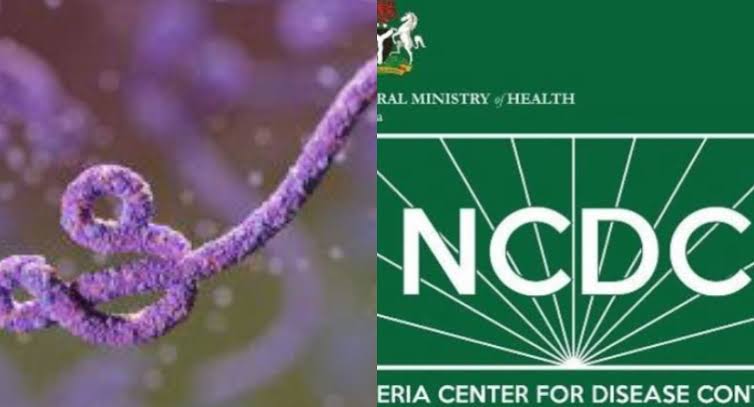
The Nigeria Centre for Disease Control (NCDC) has ramped up surveillance at the country’s entry points following a fresh outbreak of the Ebola virus in Uganda.
The Ugandan Ministry of Health recently confirmed the outbreak, reporting one fatality and tracking at least 44 contacts. While Nigeria has not recorded any cases, the NCDC is taking precautionary measures to prevent the virus from entering the country.
In an advisory released on Sunday, the NCDC’s Director-General, Jide Idris, reassured Nigerians that the agency is actively monitoring the situation.
“There are no cases of Ebola virus disease in Nigeria. However, the NCDC, in collaboration with relevant Ministries, Departments, Agencies, and Partners through the National Emerging Viral Hemorrhagic Diseases (EVHD) Technical Working Group, continues to monitor disease occurrence and has initiated measures to strengthen our preparedness in the country,” he stated.
Preventive Measures in Place
As part of its response, the NCDC has updated its emergency contingency plan for Ebola and heightened surveillance, particularly at points of entry. It is also optimising diagnostic capacity for Ebola virus testing at designated laboratories in cities with international airports, as well as at the National Reference Laboratory. If necessary, laboratories currently used for Lassa Fever testing can be activated to handle Ebola testing.
While there are vaccines available for some strains of the Ebola virus, Idris clarified that Nigeria does not currently have stock of the approved vaccine for the Zaire strain of the virus.
“The approved vaccine for the Zaire species (EBV) is not currently available in the country but can be obtained from the WHO Afro and does not protect against the Sudan virus,” he noted.
Early Detection is Key
Despite the absence of a vaccine for the Sudan strain, Idris emphasised that early detection and proper management can significantly reduce the risk of fatalities.
“Early recognition, isolation of patients, and initiation of supportive treatment, implementing infection and control measures in health facilities and homes, tracing and monitoring of contacts, and safe burial practices, significantly reduce morbidity and the probability of death,” he explained.
Ebola is a highly contagious and deadly disease transmitted through direct contact with bodily fluids of infected individuals or contaminated surfaces. Symptoms include fever, severe headache, muscle pain, weakness, fatigue, diarrhoea, vomiting, and unexplained bleeding or bruising.
The NCDC has urged Nigerians, especially those traveling to or from Uganda, to remain vigilant. Health workers have also been advised to adhere strictly to infection prevention protocols.
For now, Nigeria remains Ebola-free, but with strengthened border surveillance and enhanced preparedness, the NCDC aims to keep it that way.








News4 hours ago
Nigerian Youths are nation’s greatest asset — NSITF boss Faleye

News11 hours ago
NPA, NUJ FCT forge stronger alliance on media training, empowerment

News11 hours ago
Kwankwasiyya Movement announces Kwankwaso’s formal move to ADC

News23 hours ago
FG grants automatic promotion to kidnapped civil servants

FCT News23 hours ago
FCT records 16,000 TB cases annually, achieves 94% treatment success rate

World News23 hours ago
Macron warns against escalation as tensions rise in Iraq

News23 hours ago
APC denies viral ‘price list’ for 2027 nomination forms, labels report fake

News23 hours ago
Atiku, Malami, others visit El-Rufai, hail his strength after mother’s death

NUJ FCT1 day ago
PHOTO NEWS: NUJ FCT, Chinese Cultural Centre strengthen ties through culture, dialogue

NUJ FCT1 day ago
NUJ’s first female DNP Dr. Abimbola bags Broadcast Excellence Award

News2 days ago
BREAKING: El-Rufai released from ICPC custody, Son confirms

News1 day ago
JUST IN: Nentawe returns, APC retains 22 NWC members, drops three

News1 day ago
IWD: NUJ FCT reaffirms commitment to empowerment of Women Journalists
News23 hours ago
Atiku, Malami, others visit El-Rufai, hail his strength after mother’s death
News23 hours ago
APC denies viral ‘price list’ for 2027 nomination forms, labels report fake
World News23 hours ago
Macron warns against escalation as tensions rise in Iraq
NUJ FCT1 day ago
NUJ’s first female DNP Dr. Abimbola bags Broadcast Excellence Award
NUJ FCT1 day ago
PHOTO NEWS: NUJ FCT, Chinese Cultural Centre strengthen ties through culture, dialogue
FCT News23 hours ago
FCT records 16,000 TB cases annually, achieves 94% treatment success rate
News11 hours ago
Kwankwasiyya Movement announces Kwankwaso’s formal move to ADC
-
 News2 days ago
BREAKING: El-Rufai released from ICPC custody, Son confirms
-
 News1 day ago
JUST IN: Nentawe returns, APC retains 22 NWC members, drops three
-
 News1 day ago
IWD: NUJ FCT reaffirms commitment to empowerment of Women Journalists
-
 World News23 hours ago
Macron warns against escalation as tensions rise in Iraq
-
 NUJ FCT1 day ago
NUJ’s first female DNP Dr. Abimbola bags Broadcast Excellence Award
-
 News23 hours ago
Atiku, Malami, others visit El-Rufai, hail his strength after mother’s death
-
 News23 hours ago
APC denies viral ‘price list’ for 2027 nomination forms, labels report fake
-
 NUJ FCT1 day ago
PHOTO NEWS: NUJ FCT, Chinese Cultural Centre strengthen ties through culture, dialogue