

Business
NNPCL’s ₦10 Trillion Remittance – A Landmark or a Lesson?

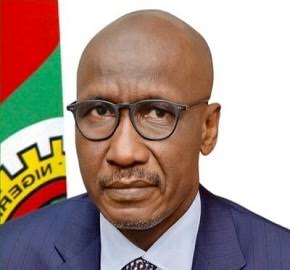
The recent announcement by the Nigerian National Petroleum Company Limited (NNPCL) of remitting an astounding ₦10 trillion to the Federation Account by September 2024 is both remarkable and thought-provoking. This figure, coupled with an additional ₦3.5 trillion in dividends and taxes for the year, paints the picture of a financially robust organisation. However, beneath these numbers lies a deeper narrative concerning governance, transparency, and the evolving role of NNPCL within Nigeria’s oil sector.
The transformation of NNPCL into a commercial entity under the Petroleum Industry Act (PIA) has significantly altered how it operates and contributes to national revenue. Instead of direct payments into the Consolidated Revenue Fund, its contributions now come in the form of dividends and taxes. This new structure aims to align NNPCL with global best practices.
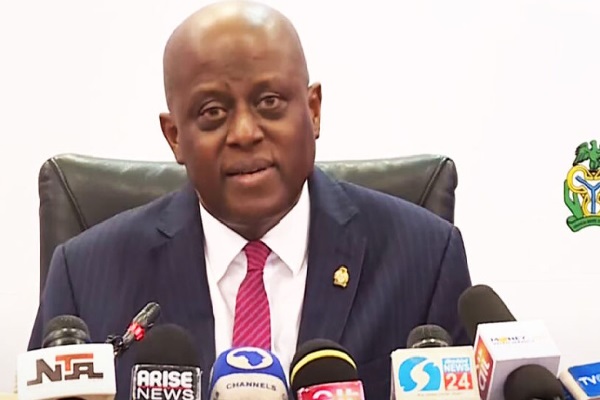
Mele Kyari, the Group Chief Executive Officer, has been outspoken about the company’s transparency, emphasising the publication of its transactional accounts and its status as Nigeria’s highest taxpayer and royalty contributor. These achievements are commendable in a country where public institutions are often criticised for lacking transparency. Yet, Kyari’s remarks about delays in remitting taxes and royalties, alongside challenges with fuel price adjustments, highlight that the journey is far from smooth.
The delayed implementation of Premium Motor Spirit (PMS) price adjustments until 1 October 2024 underscores the complex interplay of politics, economics, and public sentiment. Fuel pricing in Nigeria has always been contentious, with the government walking a fine line between fiscal responsibility and public appeasement. This delay likely strained NNPCL’s cash flow and, by extension, its ability to meet remittance timelines.
Another notable point from Kyari’s address is the company’s reduced control over oil production. While this decentralisation allows for a more competitive and diversified oil sector, it also complicates efforts to coordinate and maximise production and revenue. That said, achieving over 90 per cent of its 2024 production target is a significant feat, especially given the persistent challenges in Nigeria’s oil and gas sector, including theft, sabotage, and fluctuating global oil prices.
NNPCL’s performance in 2024 further underscores its potential to drive substantial economic impact. However, the issues of delayed payments and fuel price adjustments point to the need for better planning and policy alignment.
Ultimately, the ₦10 trillion remittance is more than just a figure—it serves as a reminder of Nigeria’s immense wealth and the critical responsibility of managing it judiciously.



News1 hour ago
IGP urges court to dismiss El-Rufai’s ₦1bn rights suit

Sports1 hour ago
Anthony Joshua relocates to Dubai, family confirms

National News2 hours ago
NiMet issues Meningitis alert across Northern Nigeria

National News2 hours ago
UK tightens security as Tinubu begins state visit to Windsor

News2 hours ago
PDP, Labour Party lose 11 Lawmakers to APC, ADC in fresh defections

Business2 hours ago
30 Nigerian Banks meet CBN recapitalisation rarget ahead of deadline

National News2 hours ago
FCCPC probes airlines over Christmas fare hike, sanctions loom

News2 hours ago
PSC promotes 13 commissioners of Police to AIG rank

News10 hours ago
South African Army chief visits Nigerian military institutions to strengthen cooperation

News10 hours ago
Five rescued, three dead as bus plunges into river in Ibadan

Uncategorized12 hours ago
Empowering Women: Economic, social necessity –Faleye

Sports1 day ago
Kano Governor sacks Head of Service Abdullahi Musa

News1 day ago
Iran warns protesters supporting foreign enemies will be treated as ‘enemies’

Sports1 day ago
Flying Eagles midfielder Daniel Daga sentenced to six months in Norway

News11 hours ago
Celebrating Funke Ishola: A Trailblazer and pillar of empowerment

News1 day ago
Traders shut down Lagos International Trade Fair Complex over takeover concerns

National News1 day ago
Tinubu nominates Lamido Yuguda as CBN Deputy Governor

World News1 day ago
Iran’s new Supreme Leader Mojtaba Khamenei injured but safe, official says

World News1 day ago
Nigerian among victims as UAE intercepts Iranian missiles

News11 hours ago
FRSC Corps Marshal effects strategic shake-up, appoints new ACM Operations, Corps Spokesperson, others
-
 Uncategorized12 hours ago
Empowering Women: Economic, social necessity –Faleye
-
 Sports1 day ago
Kano Governor sacks Head of Service Abdullahi Musa
-
 News1 day ago
Iran warns protesters supporting foreign enemies will be treated as ‘enemies’
-
 Sports1 day ago
Flying Eagles midfielder Daniel Daga sentenced to six months in Norway
-
 News11 hours ago
Celebrating Funke Ishola: A Trailblazer and pillar of empowerment
-
 News1 day ago
Traders shut down Lagos International Trade Fair Complex over takeover concerns
-
 National News1 day ago
Tinubu nominates Lamido Yuguda as CBN Deputy Governor
-
 World News1 day ago
Iran’s new Supreme Leader Mojtaba Khamenei injured but safe, official says