


World News
APC‑USA Chair urges U.S. to prioritize partnership over sanctions on Nigeria


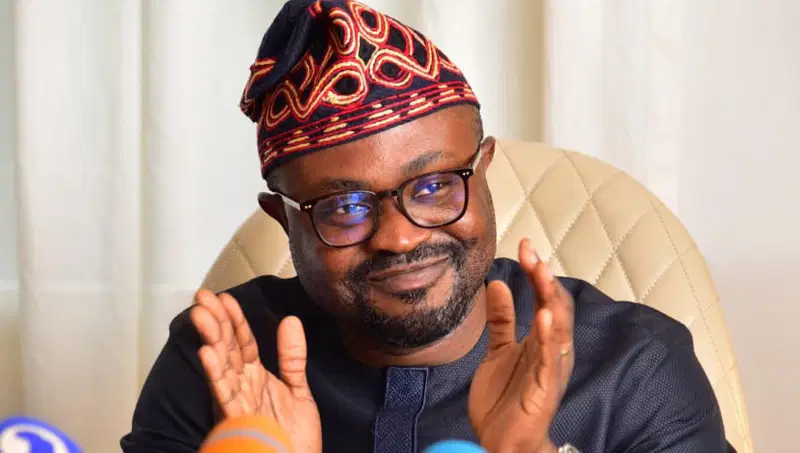
The chair of the United States chapter of Nigeria’s ruling All Progressives Congress (APC), Professor Tai Balofin, has called on U.S. lawmakers to adopt a cooperative approach in addressing Nigeria’s security challenges, warning that sanctions could do more harm than good.
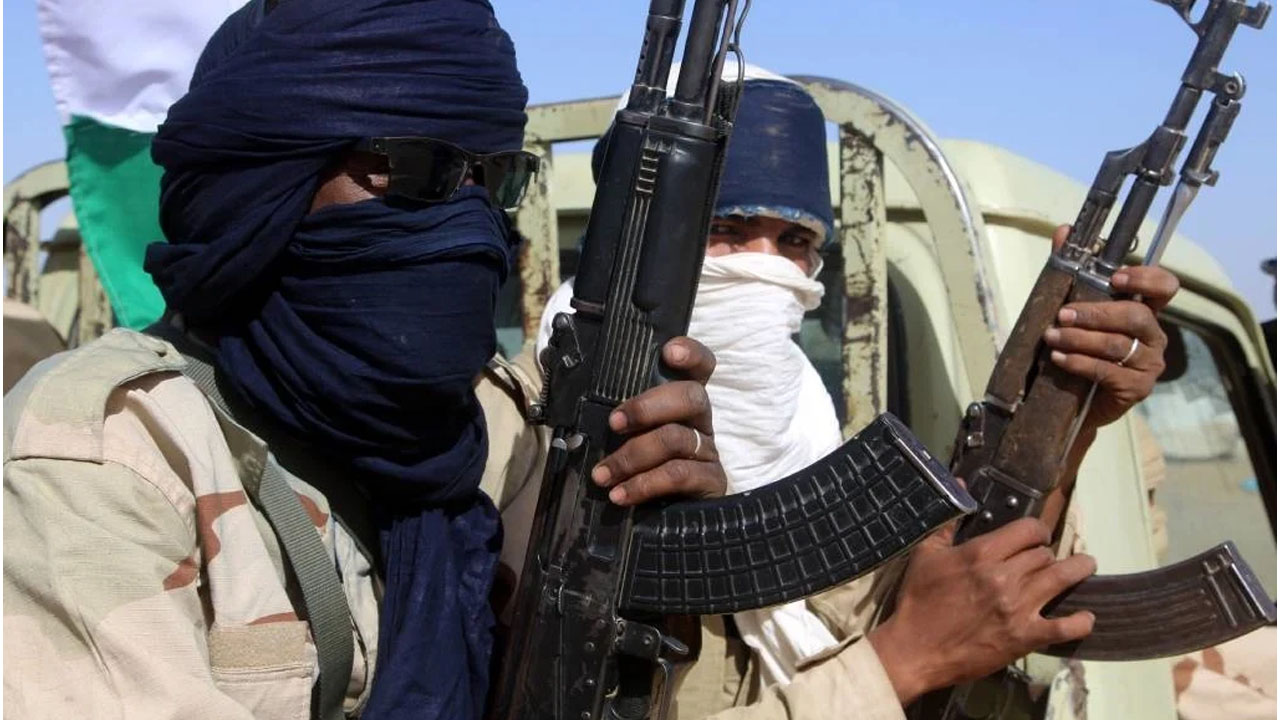
Speaking ahead of a planned testimony before the U.S. House Subcommittee on Africa, Balofin emphasized that insecurity in Nigeria stems from a combination of banditry, communal conflicts, climate pressures, and transnational crime, rather than solely religious persecution.
“The insecurity in Nigeria is driven by banditry, resource conflict, climate pressures and transnational crime ,not solely by religious persecution,” Balofin said, urging a more nuanced understanding of the situation.
Balofin’s intervention comes amid discussions over the Trump administration’s designation of Nigeria as a “Country of Particular Concern” (CPC), a move that could pave the way for punitive measures. He warned that sanctions could undermine progress made in combating insecurity and strain the U.S. Nigeria relationship.
Instead, he proposed closer collaboration between the two countries, including intelligence sharing, joint counterterrorism operations, and humanitarian support. The APC‑USA delegation intends to present detailed data and firsthand information during its congressional testimony to address perceived misconceptions about Nigeria’s security situation.
Balofin also highlighted recent improvements in Nigeria’s security landscape under President Bola Tinubu, including degradation of terrorist networks, better early warning systems, and enhanced interfaith engagement.
The CPC designation has been controversial in U.S. political circles, with some advocating sanctions to pressure Nigeria on human rights concerns, while others argue that punitive measures could hinder diplomatic and security cooperation.
Balofin urged Washington to support “shared goals” such as stability and social development, rather than imposing measures that may inadvertently harm ordinary Nigerians. His appeal underscores a push for constructive engagement over confrontation, potentially reshaping U.S. Nigeria relations in the security domain.










National News12 hours ago
Democracy Day: FG declares Friday public holiday

News13 hours ago
Democracy Day: Gov Radda praises heroes, urges support for good governance, peaceful coexistence

National News14 hours ago
BREAKING: House Of Representatives passes State Police bill

National News15 hours ago
BREAKING: Fred Agbedi emerges House Minority Leader as Abbas announces new opposition leadership

News21 hours ago
Federal High Court begins annual vacation July 27, designates vacation courts

Business1 day ago
BINANI AIR records a strong start as it marks 30 days of commercial operations

National News1 day ago
JUST-IN: Tension as fire rocks Senate wing of National Assembly

News2 days ago
BREAKING: Bandits attack Kogi school, kill vice principal, two others, abduct students writing WAEC exam
National News2 days ago
BREAKING: Reps to vote Thursday on constitutional amendment for creation of state police

News2 days ago
Okonkwo releases alleged evidence in fresh escalation of feud with Peter Obi over NDC bribery claims (Photos)

Sports2 days ago
Flamingos resume camp as Nigeria face Benin in U-17 World Cup qualifier

FCT News2 days ago
AEDC announces power outage across Abuja, Nasarawa over TCN transmission fault

News2 days ago
Edo Govt shuts three schools over alleged kidnap threat

News2 days ago
Deeper Life: My sons wont take over from me, Kumuyi speaks on Church succession plan

News2 days ago
London police launch manhunt after Nigerian inmate escapes custody transport

Metro2 days ago
Kogi police say bandit attack on Iluke school repelled, three killed

News2 days ago
Okonkwo reacts to Obi’s N5bn defamation suit, says ex-principal looking for campaign funds

FCT News2 days ago
FCT police rescue five kidnapped victims, kill two suspects in Abuja clearance operation
National News1 day ago
JUST-IN: Tension as fire rocks Senate wing of National Assembly
News2 days ago
Okonkwo releases alleged evidence in fresh escalation of feud with Peter Obi over NDC bribery claims (Photos)
-
 Sports2 days ago
Flamingos resume camp as Nigeria face Benin in U-17 World Cup qualifier
-
 FCT News2 days ago
AEDC announces power outage across Abuja, Nasarawa over TCN transmission fault
-
 News2 days ago
Edo Govt shuts three schools over alleged kidnap threat
-
 News2 days ago
Deeper Life: My sons wont take over from me, Kumuyi speaks on Church succession plan
-
 News2 days ago
London police launch manhunt after Nigerian inmate escapes custody transport
-
 Metro2 days ago
Kogi police say bandit attack on Iluke school repelled, three killed
-
 News2 days ago
Okonkwo reacts to Obi’s N5bn defamation suit, says ex-principal looking for campaign funds
-
 FCT News2 days ago
FCT police rescue five kidnapped victims, kill two suspects in Abuja clearance operation