
Feature
Experts call for stronger policies to tackle non-communicable diseases in Nigeria

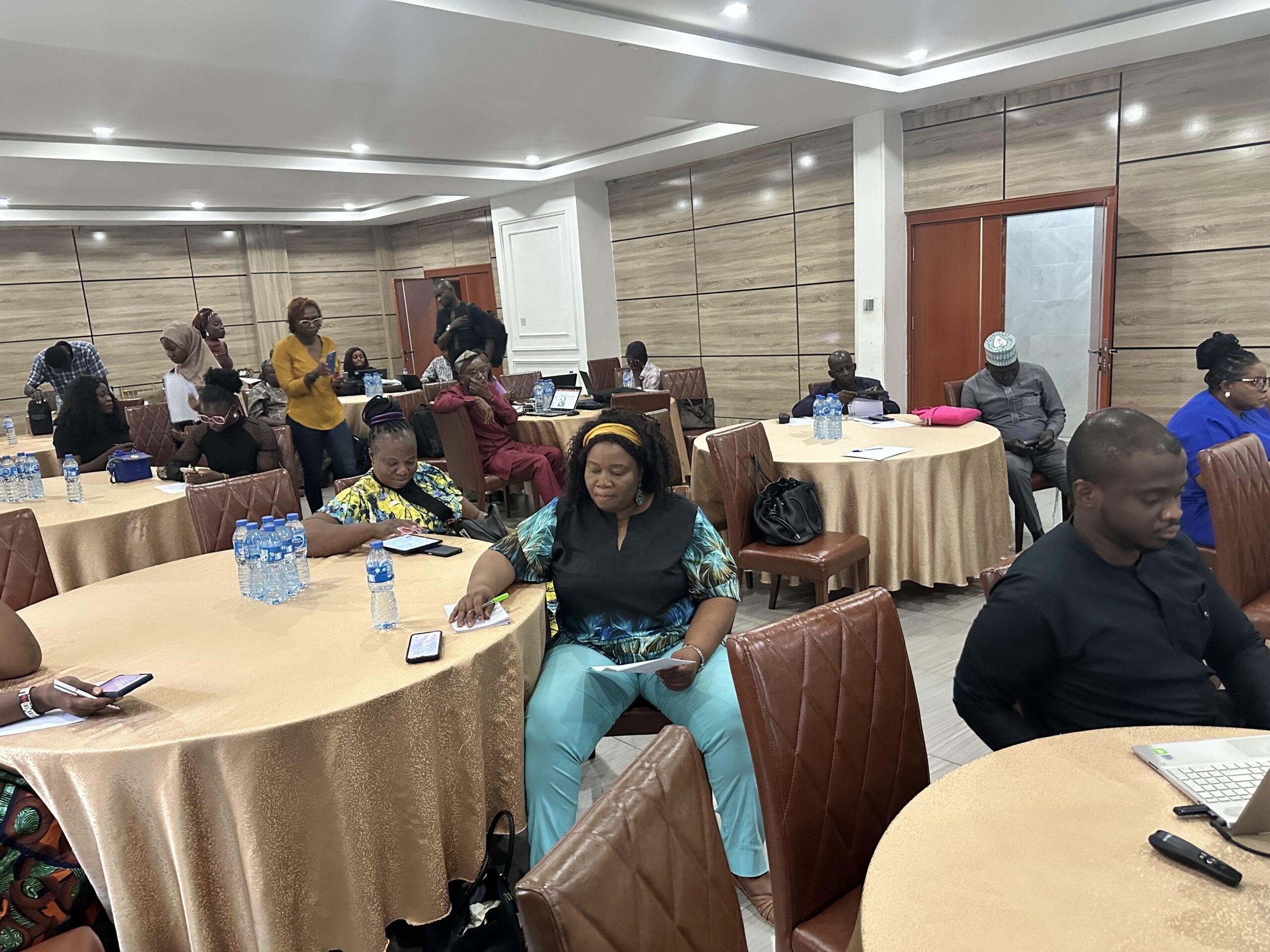
Health experts have highlighted high sodium consumption as a significant risk factor contributing to the growing prevalence of non-communicable diseases (NCDs) such as hypertension and stroke in Nigeria.
This concern was raised during a media roundtable organised by the Network for Health Equity and Development (NHED) in Abuja.
Speaking at the event, global health expert Dr Joseph Ekiyor emphasised the importance of reducing sodium levels in food products and implementing Front-of-Pack Labelling (FOPL) as measures to equip consumers with clearer nutritional information and ultimately reduce NCD risks.
“The goal is not to eliminate salt entirely, as it is essential for bodily functions, but to reduce intake to safer levels,” Dr Ekiyor said. “Moderation is key. A multi-sectoral approach involving government, civil society, and the media is vital to promote healthier behaviours and raise awareness about the dangers of excessive salt consumption.”
NHED Food Consultant Mr John Tehinse noted that the Federal Government had adopted the World Health Organization’s (WHO) recommendations on salt reduction and had established a national technical working group to develop relevant guidelines.
“We identified 34 food categories that are widely consumed in Nigeria, such as bread, bologna, and processed meat products,” he said. “We are engaging with the food industry to ensure their products comply with the guidelines. The objective is to reduce national salt intake by 15 per cent by 2026 and 30 per cent by 2028.”
Also speaking at the event, Mr Abayomi Sarumi, Associate Director of the Food Justice Programme at Corporate Accountability and Public Participation Africa (CAPPA), underscored the essential role of the media in driving public awareness and promoting healthier dietary choices.
“People need to understand that the health risks of excess salt consumption go far beyond just hypertension or joint issues,” Mr Sarumi stated. “Given the trust the public places in the media, it is crucial that journalists communicate accurate information, dispel myths, and help shape more informed consumer choices.”
The roundtable centred on strengthening Nigeria’s food policy landscape through advocacy for sodium reduction and the adoption of clear Front-of-Pack Warning Labels.





Burna Boy Presents Socrates Award to Arsenal Star Bukayo Saka at Ballon d’Or Ceremony

Man, Teenage Girl Swept Away While Attempting Rescue in Aba Flood

NDC Inaugurates New National Secretariat in Abuja Ahead of 2027 Elections

Man United Consider Howe, Nagelsmann, Conte as Carrick Faces Uncertain Future

Shettima Says Obi Has Nothing to Offer Nigerians Beyond ‘Dubious Statistics’

Uba Sani Says APC Will Consider 25% Opposition Vote in Kaduna a Failure

Court Orders El-Rufai to Open Defence in Alleged NSA Phone Interception Case

WHO Says Nigeria Has No Active Ebola Cases After Patient’s Evacuation to Switzerland

BYM condemns killing Of 60-year-old woman, after attack at Gwom-Ajang

Ebola Patient in Nigeria Is Wife of Swiss Diplomat, Switzerland Says
WHO Says Nigeria Has No Active Ebola Cases After Patient’s Evacuation to Switzerland
NDC Inaugurates New National Secretariat in Abuja Ahead of 2027 Elections
Uba Sani Says APC Will Consider 25% Opposition Vote in Kaduna a Failure
Shettima Says Obi Has Nothing to Offer Nigerians Beyond ‘Dubious Statistics’
BYM condemns killing Of 60-year-old woman, after attack at Gwom-Ajang
Court Orders El-Rufai to Open Defence in Alleged NSA Phone Interception Case
Man United Consider Howe, Nagelsmann, Conte as Carrick Faces Uncertain Future
Burna Boy Presents Socrates Award to Arsenal Star Bukayo Saka at Ballon d’Or Ceremony
Man, Teenage Girl Swept Away While Attempting Rescue in Aba Flood
-
 National News18 hours ago
WHO Says Nigeria Has No Active Ebola Cases After Patient’s Evacuation to Switzerland
-
 News12 hours ago
NDC Inaugurates New National Secretariat in Abuja Ahead of 2027 Elections
-
 News18 hours ago
Uba Sani Says APC Will Consider 25% Opposition Vote in Kaduna a Failure
-
 News18 hours ago
Shettima Says Obi Has Nothing to Offer Nigerians Beyond ‘Dubious Statistics’
-
 News2 days ago
BYM condemns killing Of 60-year-old woman, after attack at Gwom-Ajang
-
 News18 hours ago
Court Orders El-Rufai to Open Defence in Alleged NSA Phone Interception Case
-
 Sports18 hours ago
Man United Consider Howe, Nagelsmann, Conte as Carrick Faces Uncertain Future
-
 Sports12 hours ago
Burna Boy Presents Socrates Award to Arsenal Star Bukayo Saka at Ballon d’Or Ceremony