
World News
Ebola cases near 900 as Africa CDC warns of escalating outbreak in DRC, Uganda


The ongoing Ebola outbreak in Uganda and the Democratic Republic of Congo (DRC) has reached 894 confirmed cases and 204 deaths, raising fresh concerns among health authorities as the disease continues to spread across affected regions.
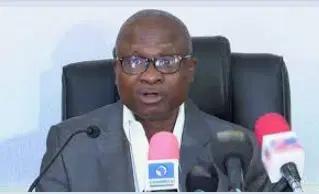
Speaking during an update webinar on Thursday, Acting Head of Emergency Preparedness and Response at the Africa Centres for Disease Control and Prevention (Africa CDC), Dr Wessam Mankoula, disclosed that the outbreak has expanded significantly since it was declared on May 15, 2026.
According to Africa CDC, Uganda’s situation remains relatively stable with 19 confirmed cases, two deaths and seven recoveries, all confined to a single health zone in Kampala. However, the DRC remains the epicentre of the outbreak, particularly in Ituri Province, which accounts for the majority of cases and deaths.
Health officials revealed that the outbreak has now spread to 32 health zones across Uganda and the DRC, up from just three health zones at the beginning of the crisis. The rapid expansion has placed the outbreak among the largest Ebola epidemics recorded in Africa.
Africa CDC expressed particular concern over North Kivu Province, where insecurity has limited access for health workers and response teams, contributing to higher fatality rates and poor contact tracing coverage.
The agency warned that contact tracing remains critically inadequate. While more than 800 confirmed cases should translate to between 17,000 and 35,000 contacts under monitoring, only about 6,000 contacts have been identified and fewer than 4,000 are actively being followed.
Without approved vaccines or therapeutics for the Sudan strain of the Ebola virus, health officials stressed that identifying cases quickly, tracing contacts and monitoring communities remain the most effective tools for containing the outbreak.
Africa CDC and the World Health Organisation have launched a coordinated six-month response plan valued at 517 million dollars to support affected countries, neighbouring states and partner organisations.
Despite progress in testing capacity and the deployment of treatment centres, officials warned that funding gaps, insecurity, shortages of healthcare personnel and weak contact tracing continue to pose serious challenges to controlling the outbreak.
Health authorities are urging governments, international partners and communities to intensify surveillance, strengthen response efforts and support frontline health workers to prevent further spread of the disease.











Shettima Arrives in New York to Lead Nigeria’s Delegation to 81st UNGA

Niger NSCDC Custody Deaths: Names of 37 Suspected Illegal Miners Released (Full List)

Civil Servants Demand N500,000 Minimum Salary, N500/Litre Petrol in Letter to Tinubu

Cole Palmer Withdraws from England Squad with Muscle Injury, Gibbs-White Set to Replace Him

US Refuses Visas for Members of Iranian President’s UNGA Delegation

Tinubu mandates Shettima to lead high-level delegation to UNGA

NUJ demands independent probe into deaths of 37 miners in NSCDC custody

Tunji-Ojo leads FG delegation to Niger over deaths of miners in NSCDC custody

IGP Disu visits Niger, vows thorough probe into deaths of 37 miners in NSCDC custody

INEC opens recruitment portal for 1.4 Million Ad Hoc Staff for 2027 elections
US Refuses Visas for Members of Iranian President’s UNGA Delegation
Niger NSCDC Custody Deaths: Names of 37 Suspected Illegal Miners Released (Full List)
Tinubu mandates Shettima to lead high-level delegation to UNGA
Civil Servants Demand N500,000 Minimum Salary, N500/Litre Petrol in Letter to Tinubu
Cole Palmer Withdraws from England Squad with Muscle Injury, Gibbs-White Set to Replace Him
Shettima Arrives in New York to Lead Nigeria’s Delegation to 81st UNGA
-
 World News3 hours ago
US Refuses Visas for Members of Iranian President’s UNGA Delegation
-
 News3 hours ago
Niger NSCDC Custody Deaths: Names of 37 Suspected Illegal Miners Released (Full List)
-
 National News1 day ago
Tinubu mandates Shettima to lead high-level delegation to UNGA
-
 National News3 hours ago
Civil Servants Demand N500,000 Minimum Salary, N500/Litre Petrol in Letter to Tinubu
-
 Sports3 hours ago
Cole Palmer Withdraws from England Squad with Muscle Injury, Gibbs-White Set to Replace Him
-
 National News3 hours ago
Shettima Arrives in New York to Lead Nigeria’s Delegation to 81st UNGA