





FCT News
FCT Natives to FG: Adopt global land compensation standards

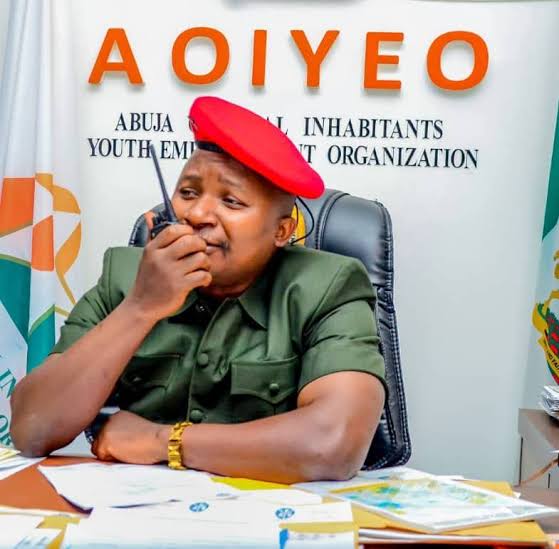
The Abuja Original Inhabitants Youths and Empowerment Organisation (AOIYEO), an organisation representing the indigenous communities of the Federal Capital Territory (FCT), has formally urged the federal government to reform its land compensation policies in line with international standards outlined in the Global Framework for Land Compensation 2025.
This appeal seeks to address longstanding grievances regarding land acquisition and compensation processes, which the organisation argues have historically disenfranchised local populations.
In a statement, the organisation emphasised the need for a fair and equitable compensation mechanism that not only respects the rights of indigenous communities but also adheres to internationally recognised practices. It highlighted that the current compensation framework, designed in 2014, often falls short, leading to inadequate restitution for the loss of ancestral lands and livelihoods.
The president of the organisation, Commandant Isaac David, asserted that adopting the Global Framework would provide a standardised approach to land compensation, thereby enhancing transparency and fairness in the negotiation process.
He proposed that the government conduct comprehensive evaluations of land values, incorporating socio-economic factors and the historical significance of the land to indigenous peoples.
“Land is not just a resource; it is intrinsically tied to our identity and culture. The current compensation methods introduced in 2014 do not reflect our realities or the true value of our heritage. By aligning our compensation practices with global standards, we can ensure that the rights and dignity of our people are upheld.”
The call for policy reform comes amid ongoing urban development projects in Abuja, which have led to the displacement of indigenous communities without adequate compensation. This trend has raised concerns over social equity and the potential violation of the rights of the original inhabitants under both local and international law. The Abuja Original Inhabitants have proposed a series of dialogues with federal authorities to discuss the implementation of these standards, including the establishment of a Development Commission (AOIDC) to oversee land compensation matters.
Isaac further stressed that stakeholders are closely monitoring developments and are eager to see whether a progressive shift towards more equitable land policies will take shape.
“The outcome of this initiative may have lasting implications for land rights and governance in Nigeria, particularly for indigenous populations navigating the complexities of urbanisation and development,” he stated.
“Therefore, we remain hopeful that our voices will bring about meaningful change, fostering a relationship of trust and respect between the government and the local communities of the FCT.”
Niyi Lawal





News3 minutes ago
PDP, Labour Party lose 11 Lawmakers to APC, ADC in fresh defections

Business7 minutes ago
30 Nigerian Banks meet CBN recapitalisation rarget ahead of deadline

National News26 minutes ago
FCCPC probes airlines over Christmas fare hike, sanctions loom

News29 minutes ago
PSC promotes 13 commissioners of Police to AIG rank

News9 hours ago
South African Army chief visits Nigerian military institutions to strengthen cooperation

News9 hours ago
Five rescued, three dead as bus plunges into river in Ibadan

News9 hours ago
Aminu Tambuwal defects to ADC, cites PDP crisis

News10 hours ago
FRSC Corps Marshal effects strategic shake-up, appoints new ACM Operations, Corps Spokesperson, others

News10 hours ago
Celebrating Funke Ishola: A Trailblazer and pillar of empowerment

Uncategorized10 hours ago
Empowering Women: Economic, social necessity –Faleye
Uncategorized10 hours ago
Empowering Women: Economic, social necessity –Faleye

Sports1 day ago
Kano Governor sacks Head of Service Abdullahi Musa

News1 day ago
Iran warns protesters supporting foreign enemies will be treated as ‘enemies’

Sports1 day ago
Flying Eagles midfielder Daniel Daga sentenced to six months in Norway
News10 hours ago
Celebrating Funke Ishola: A Trailblazer and pillar of empowerment

News1 day ago
Traders shut down Lagos International Trade Fair Complex over takeover concerns

World News1 day ago
Iran’s new Supreme Leader Mojtaba Khamenei injured but safe, official says

World News1 day ago
Nigerian among victims as UAE intercepts Iranian missiles

National News24 hours ago
Tinubu nominates Lamido Yuguda as CBN Deputy Governor

News1 day ago
Defence Minister meets service chiefs over rising insecurity
-
 Uncategorized10 hours ago
Empowering Women: Economic, social necessity –Faleye
-
 Sports1 day ago
Kano Governor sacks Head of Service Abdullahi Musa
-
 News1 day ago
Iran warns protesters supporting foreign enemies will be treated as ‘enemies’
-
 Sports1 day ago
Flying Eagles midfielder Daniel Daga sentenced to six months in Norway
-
 News10 hours ago
Celebrating Funke Ishola: A Trailblazer and pillar of empowerment
-
 News1 day ago
Traders shut down Lagos International Trade Fair Complex over takeover concerns
-
 World News1 day ago
Iran’s new Supreme Leader Mojtaba Khamenei injured but safe, official says
-
 World News1 day ago
Nigerian among victims as UAE intercepts Iranian missiles