



News
IMF reports stronger growth in Middle East, North Africa despite conflicts

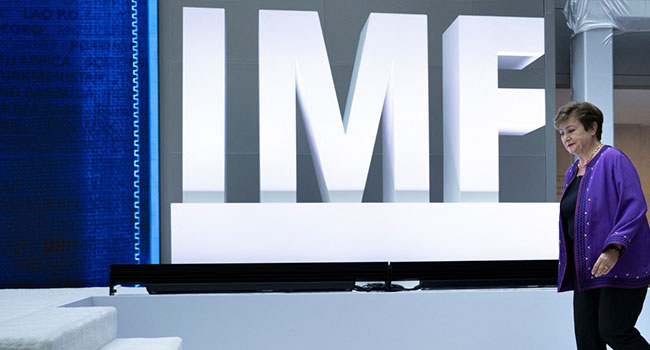
Economic growth across the Middle East and North Africa (MENA) has accelerated this year despite ongoing global uncertainty and regional conflicts, according to a new report released by the International Monetary Fund (IMF) on Tuesday.
Jihad Azour, IMF Director for the Middle East and Central Asia, said in an interview with AFP that the region’s resilience was remarkable given multiple challenges. “Despite all the shocks we saw to trade with the tariff measures, geopolitical tension, the conflicts, the volatility in oil price, we see that growth has been performing better than last year,” Azour said. “And it’s not only in a group of countries, but spread across the region.”
The IMF’s latest regional outlook, presented in Dubai, forecasts that MENA economies will expand by 3.3 percent in 2025 and 3.7 percent in 2026 — higher than its earlier projections of 2.6 and 3.4 percent, respectively. The region’s GDP grew by 2.1 percent in 2024.
Azour explained that Gulf nations have benefited from higher oil production, which helped offset the effects of declining prices, while other countries recorded gains through rebounds in tourism, manufacturing, and agriculture.
Despite ongoing instability, including the war in Gaza, Azour noted that “the region was able to withstand the big geopolitical shock of the last two years,” citing the relative economic resilience of neighbouring countries such as Jordan and Egypt.
He described the current ceasefire in Gaza as “an important and welcome development,” but cautioned that it was too early to assess its full economic impact. “The impact on the region hinges on how this stability will materialise into improvement in the overall risk profile for the region and also what we see of potential reconstruction or post-conflict in Syria, Lebanon and in Gaza, and also later in the West Bank,” he explained.
Azour said immediate attention should be focused on evaluating the scale of damage in Gaza and identifying reconstruction priorities, with support from the United Nations and the World Bank.
He further warned that financing needs remain “immense” in other conflict-affected countries, including Yemen and Sudan, due to dwindling international aid and worsening humanitarian conditions.






News5 hours ago
South African Army chief visits Nigerian military institutions to strengthen cooperation

News5 hours ago
Five rescued, three dead as bus plunges into river in Ibadan

News5 hours ago
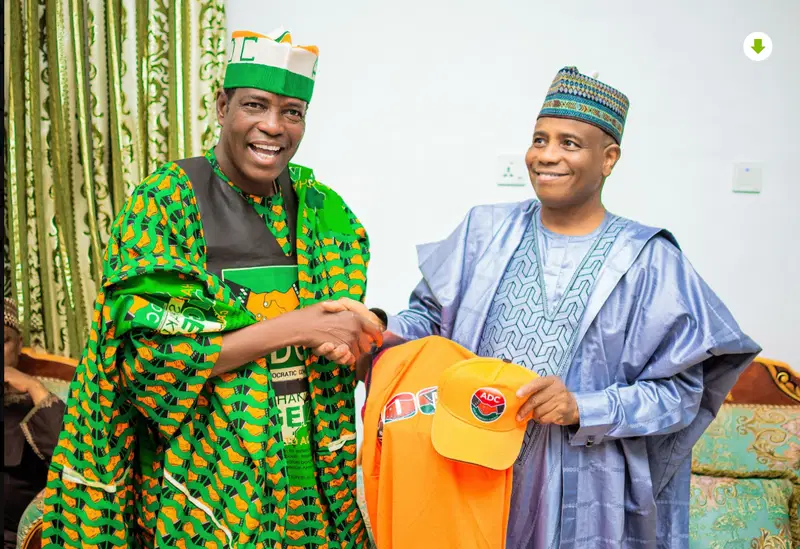
Aminu Tambuwal defects to ADC, cites PDP crisis

News6 hours ago
FRSC Corps Marshal effects strategic shake-up, appoints new ACM Operations, Corps Spokesperson, others

News6 hours ago
Celebrating Funke Ishola: A Trailblazer and pillar of empowerment

Uncategorized6 hours ago
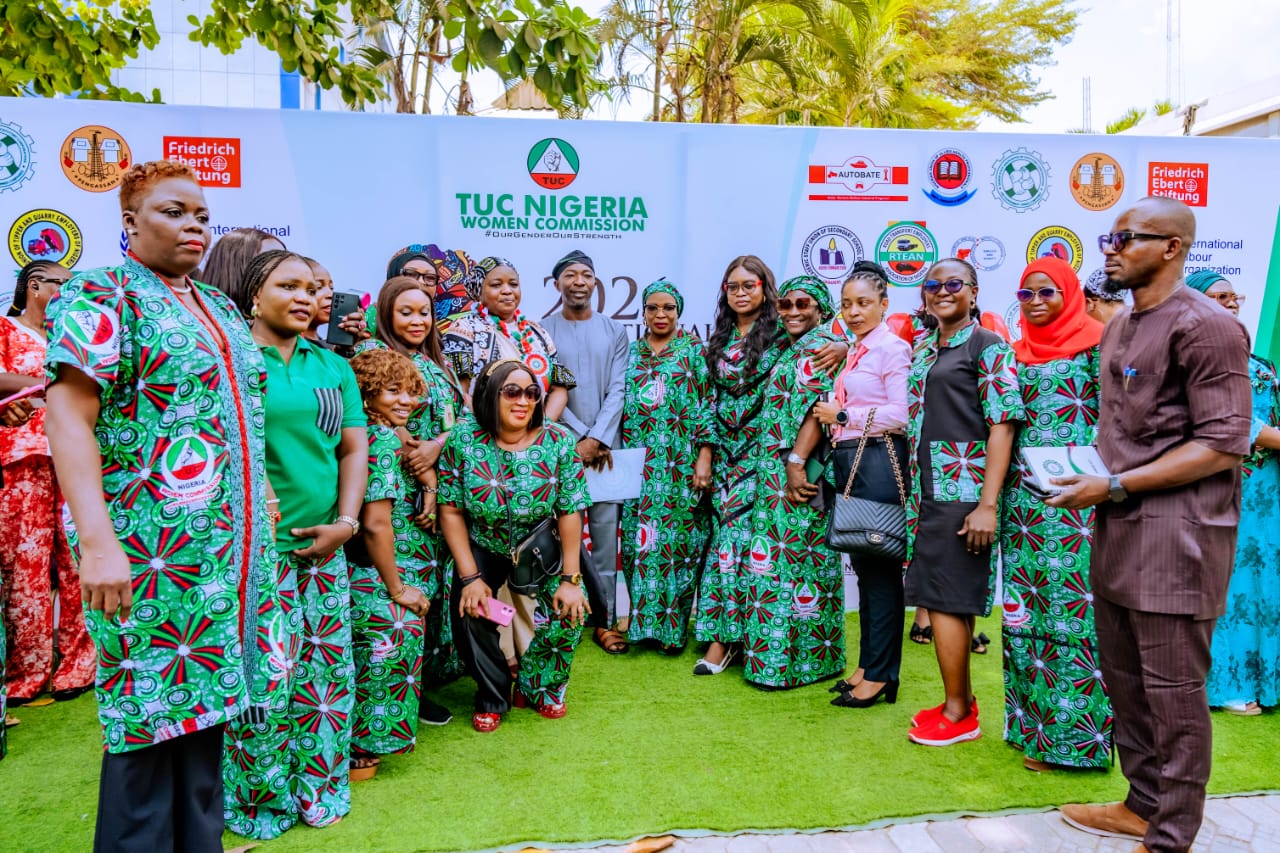
Empowering Women: Economic, social necessity –Faleye

National News20 hours ago
Tinubu nominates Lamido Yuguda as CBN Deputy Governor

National News20 hours ago
Reps amend electoral act 2026, impose N10m fine for dual party membership

Sports20 hours ago
Iran pulls out of 2026 FIFA World Cup amid escalating conflict

National News1 day ago
Defence Minister urges media responsibility, warns against aiding terrorists

Sports1 day ago
Kano Governor sacks Head of Service Abdullahi Musa

News1 day ago
Iran warns protesters supporting foreign enemies will be treated as ‘enemies’
Uncategorized6 hours ago
Empowering Women: Economic, social necessity –Faleye

News2 days ago
Women deserve more support, not just celebration — Dr Fasawe
News6 hours ago
Celebrating Funke Ishola: A Trailblazer and pillar of empowerment

News1 day ago
Traders shut down Lagos International Trade Fair Complex over takeover concerns
National News20 hours ago
Tinubu nominates Lamido Yuguda as CBN Deputy Governor

Sports1 day ago
Flying Eagles midfielder Daniel Daga sentenced to six months in Norway

World News1 day ago
Iran’s new Supreme Leader Mojtaba Khamenei injured but safe, official says

World News1 day ago
Nigerian among victims as UAE intercepts Iranian missiles
-
 Sports1 day ago
Kano Governor sacks Head of Service Abdullahi Musa
-
 News1 day ago
Iran warns protesters supporting foreign enemies will be treated as ‘enemies’
-
 Uncategorized6 hours ago
Empowering Women: Economic, social necessity –Faleye
-
 News2 days ago
Women deserve more support, not just celebration — Dr Fasawe
-
 News6 hours ago
Celebrating Funke Ishola: A Trailblazer and pillar of empowerment
-
 News1 day ago
Traders shut down Lagos International Trade Fair Complex over takeover concerns
-
 National News20 hours ago
Tinubu nominates Lamido Yuguda as CBN Deputy Governor
-
 Sports1 day ago
Flying Eagles midfielder Daniel Daga sentenced to six months in Norway