




National News
JUST-IN: Senate okays Tinubu’s $6bn loan plan

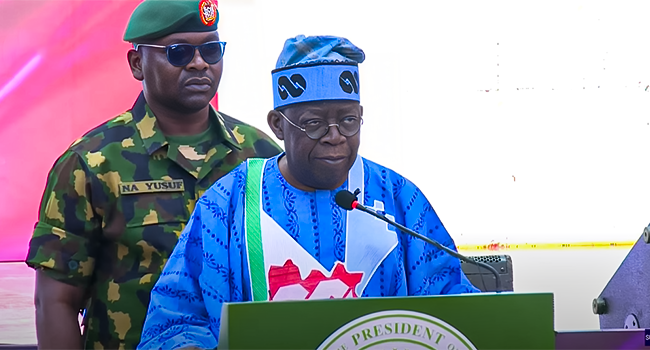
The Senate has approved President Bola Tinubu’s request to secure fresh external loans totalling $6 billion, aimed at addressing fiscal shortfalls and financing critical infrastructure projects.
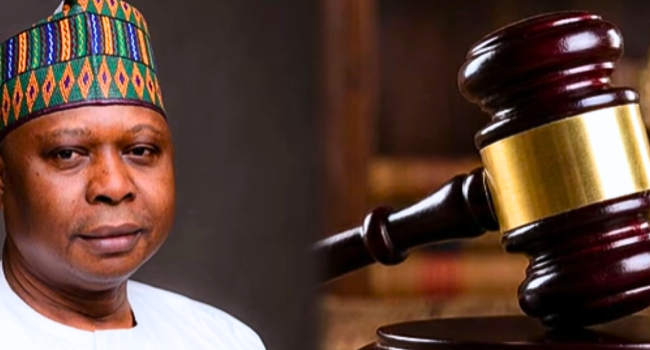
The approval followed the consideration of a report presented by Aliyu Wamakko, Chairman of the Senate Committee on Local and Foreign Debts, shortly after the President formally sought legislative backing.
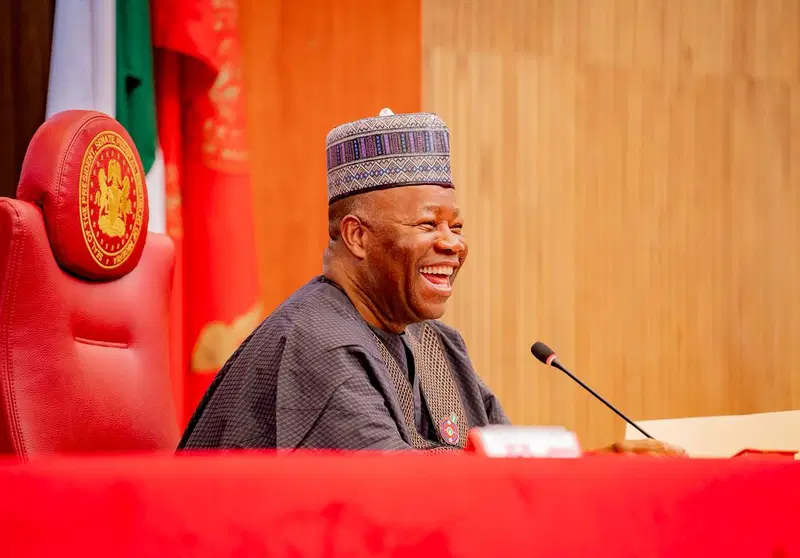
In a letter addressed to Senate President, Godswill Akpabio, and read during plenary, Tinubu requested approval to obtain a $5 billion loan from Abu Dhabi Bank to support budget deficit financing and meet existing debt obligations.
In a separate request, the President sought approval for a $1 billion loan facility from UK Export Finance, arranged through Citibank in London, to fund the rehabilitation of key port infrastructure.
The projects targeted under the facility include the Lagos Port Complex and Tin Can Island Port, which the President said are critical to addressing longstanding operational challenges within Nigeria’s maritime sector.
According to Tinubu, the planned upgrades are expected to improve efficiency, enhance safety standards, support non-oil trade diversification, and position Nigeria as a competitive regional trade hub.
Following the presentation of the requests, Akpabio referred the proposals to the Senate Committee on Local and Foreign Debts with a directive for expedited review—a process that culminated in their swift approval.
The latest borrowing move comes amid the Federal Government’s continued reliance on both domestic and external financing to bridge widening budget deficits and fund strategic projects.
Just four months earlier, the National Assembly approved the administration’s request to raise N1.15 trillion from the domestic debt market to support the 2025 budget deficit, completing the government’s financing plan for the fiscal year.
Lawmakers noted that the 2025 Appropriation Act provides for a total expenditure of N59.99 trillion—an increase from the N54.74 trillion initially proposed by the executive—underscoring the growing fiscal gap and the government’s dependence on borrowing to sustain spending.











News10 minutes ago
BREAKING: Power Minister Adebayo resigns to pursue governorship ambition

National News2 hours ago
JUST-IN: Senate okays Tinubu’s $6bn loan plan

News4 hours ago
Court adjourns El-Rufai’s bail hearing as trial draws nationwide attention

National News4 hours ago
JUST-IN: Tinubu seeks Senate approval for $6bn external loans to fund budget, ports

News6 hours ago
Ex-Kaduna Governor Nasir El-Rufai returns to Court after mother’s burial

News8 hours ago
Nigeria secures approvals for 10 Ambassadorial nominees, boosting diplomatic postings

News8 hours ago
US Congressman flags Nigeria Christian Attacks; Plateau, Kaduna hit amid rising insecurity

News8 hours ago
Defence Minister tasks AFIT graduates on patriotism, innovation

National News21 hours ago
Tinubu appoints Ibrahim Ida as CAC Chairman, nominates seven Commissioners for NPC

News21 hours ago
Court bars Turaki-Led PDP faction from Abuja secretariat, upholds Wike-Led leadership

News1 day ago
NCC, Telcos clash over compensation plan for poor network services

FCT News1 day ago
FCT Police Kick Off 2026 National Police Day with Sanitation, Free Medical Outreach

News1 day ago
BREAKING: Kwankwaso formally joins ADC

NUJ FCT1 day ago
NUJ FCT Council urges unity, credible leadership as FRCN Chapel installs new executives

News1 day ago
Sunday Plateau Attack: Residents claim 27 dead, police say 14

News1 day ago
Israeli Army withdraws battalion after assault on CNN Photojournalist in West Bank

Sports1 day ago
Survey shows Premier League fans overwhelmingly against VAR

News1 day ago
JUST-IN: Bandits kill 13, abduct several at Kaduna wedding attack

National News1 day ago
BREAKING: Tuggar resigns as Foreign Affairs Minister

News1 day ago
Turaki-Led PDP faction rejects Wike convention, vows to challenge in Supreme Court
-
 News1 day ago
NCC, Telcos clash over compensation plan for poor network services
-
 FCT News1 day ago
FCT Police Kick Off 2026 National Police Day with Sanitation, Free Medical Outreach
-
 News1 day ago
BREAKING: Kwankwaso formally joins ADC
-
 NUJ FCT1 day ago
NUJ FCT Council urges unity, credible leadership as FRCN Chapel installs new executives
-
 News1 day ago
Sunday Plateau Attack: Residents claim 27 dead, police say 14
-
 News1 day ago
Israeli Army withdraws battalion after assault on CNN Photojournalist in West Bank
-
 News1 day ago
JUST-IN: Bandits kill 13, abduct several at Kaduna wedding attack
-
 National News1 day ago
BREAKING: Tuggar resigns as Foreign Affairs Minister