





Business
Nigeria’s balance of payments surplus drops 38% amid oil revenue decline, investment shifts

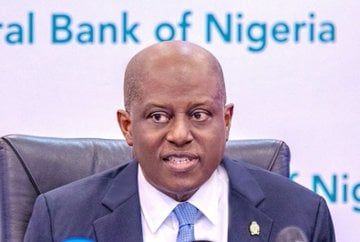
Nigeria’s external sector came under pressure in 2025, as the country’s Balance of Payments (BOP) surplus declined sharply by 38.1 per cent to $4.23 billion, down from $6.83 billion recorded in 2024.
Provisional data released by the Central Bank of Nigeria (CBN) highlights a mixed economic outlook, with falling crude oil earnings and a significant drop in foreign portfolio investments outweighing gains recorded in gas exports and refined petroleum shipments.
The current account remained in surplus but weakened considerably, dropping by 26.2 per cent to $14.04 billion from $19.03 billion in the previous year. The decline was largely driven by a 14.4 per cent fall in crude oil exports, which dropped to $31.54 billion.
Despite this, gas exports recorded strong growth, rising by 21.4 per cent to $10.51 billion. The goods account also posted a higher surplus of $14.51 billion, supported by increased refined petroleum exports.
A key contributor to this growth was the Dangote Refinery, which generated $6.13 billion in refined product exports and helped reduce fuel imports by 28.9 per cent to $10.00 billion.
On the financial side, Nigeria experienced a major shift, moving from a net lending position of $9.65 billion in 2024 to a net borrowing position of $1.69 billion in 2025. This was largely due to a sharp 48.3 per cent decline in foreign portfolio investment inflows, which fell to $8.04 billion.
In contrast, foreign direct investment showed strong recovery, surging by 149.1 per cent to $4.01 billion, reflecting increased confidence among long-term investors, particularly in equity investments and reinvested earnings.
However, rising outflows in services and income payments further pressured the external sector. The services account deficit widened to $14.58 billion, driven by higher spending on travel, transport, and insurance.
Net outflows in the primary income account also rose significantly by 60.9 per cent to $9.09 billion, largely due to increased dividend and interest payments to foreign investors.
Despite these challenges, Nigeria’s external reserves grew by 13.8 per cent to $45.75 billion, providing a buffer against ongoing economic pressures.
Overall, the data underscores the shifting dynamics in Nigeria’s external sector, with declining oil revenues, rising non-oil contributions, and changing investment patterns shaping the country’s economic outlook.
















National News22 minutes ago
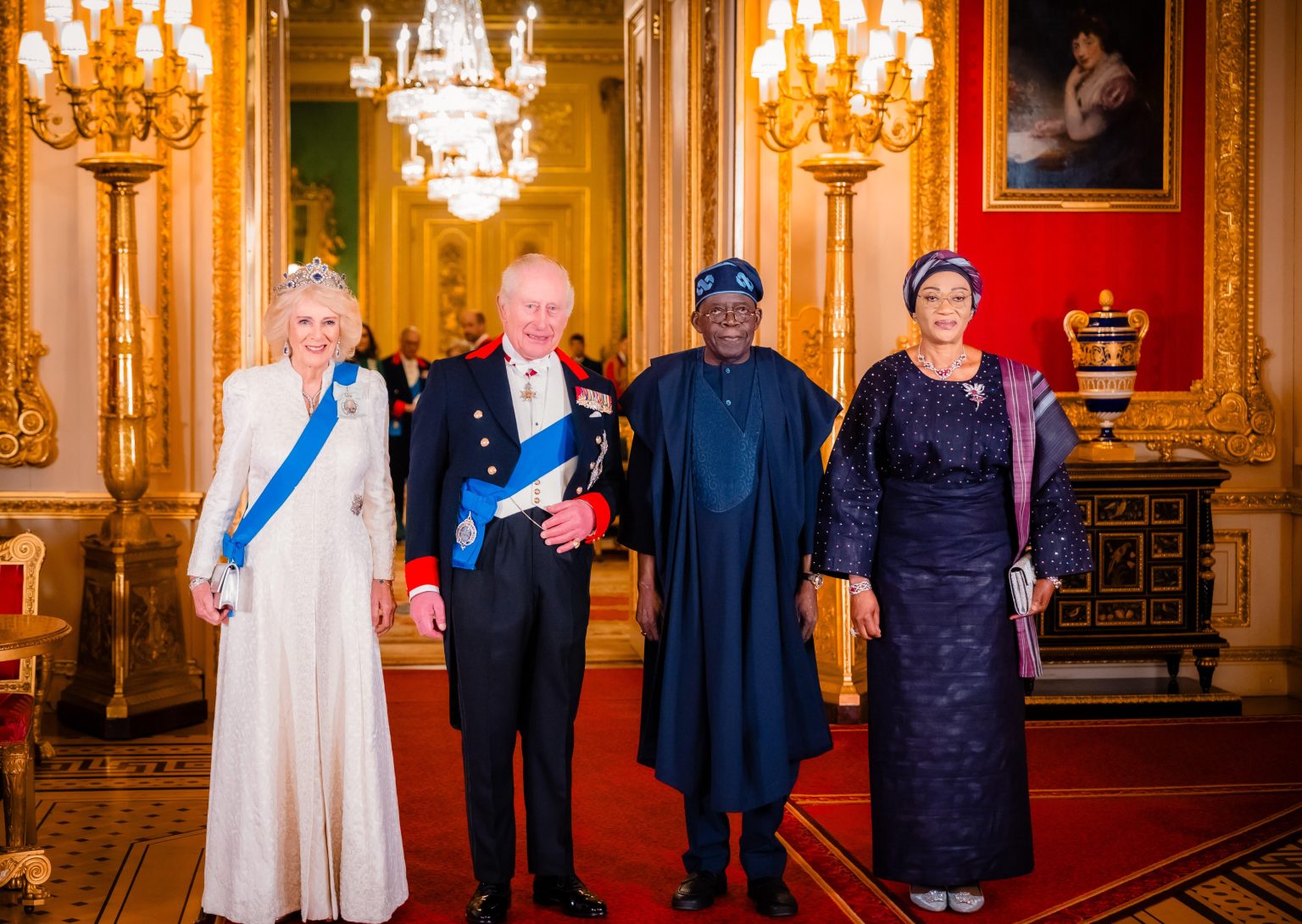
Tinubu’s full speech at the State banquet, Windsor Castel (Full Text)

News30 minutes ago
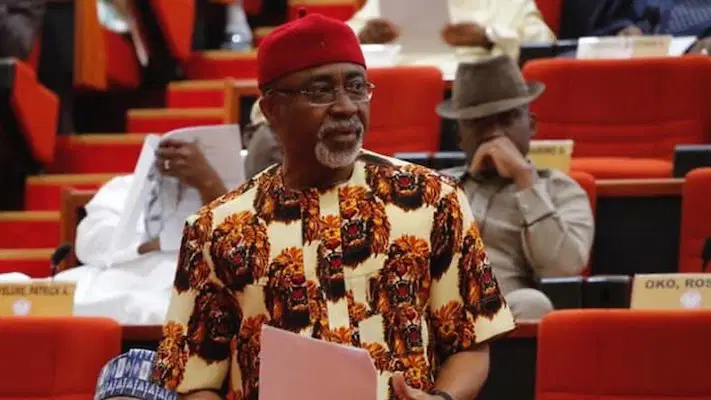
APGA, Abaribe trade words over defection, Senate seat legitimacy

Business51 minutes ago
Nigeria’s balance of payments surplus drops 38% amid oil revenue decline, investment shifts

National News15 hours ago
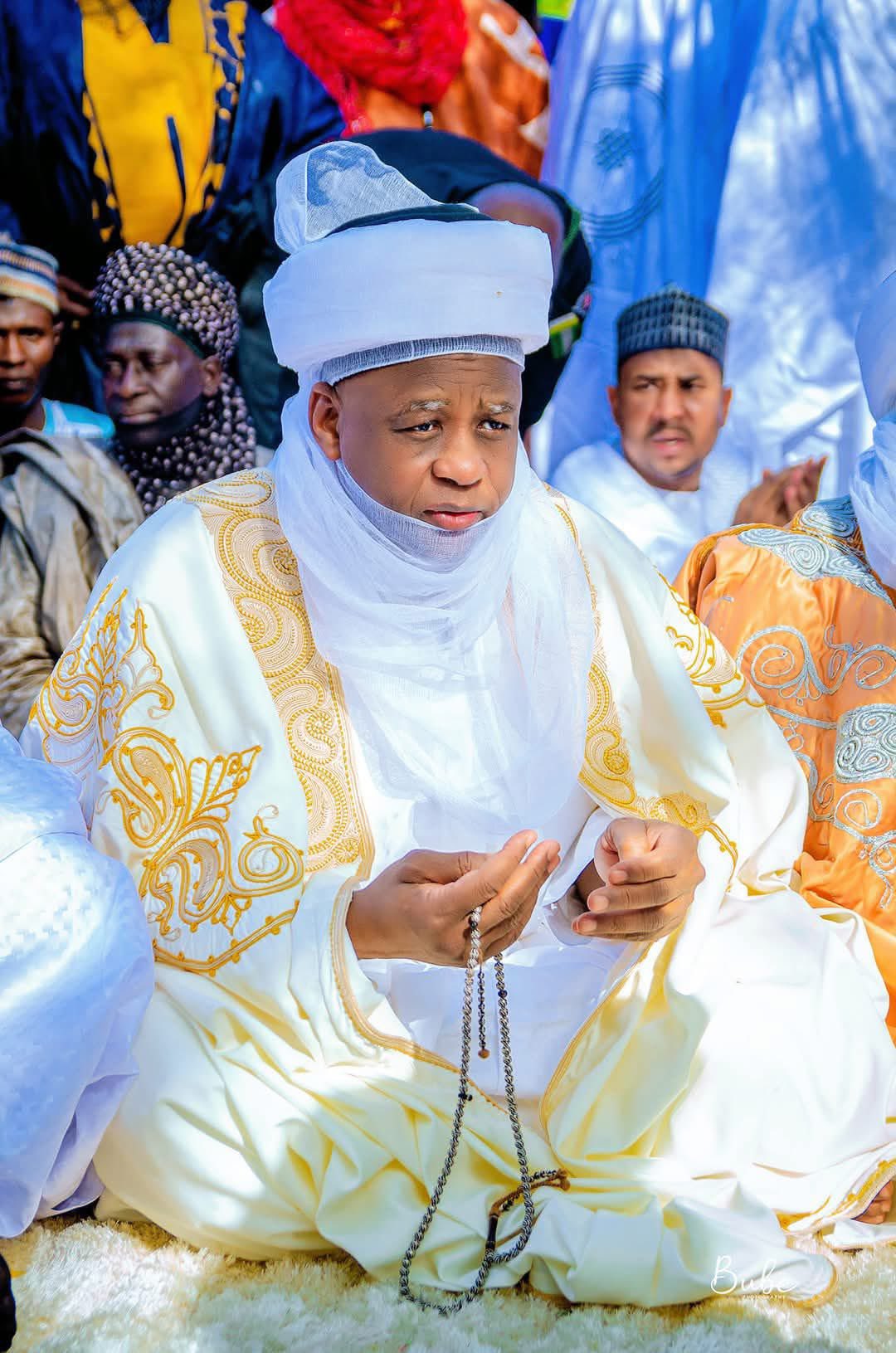
BREAKING: Sultan declares Friday as Eid-el-Fitr

Sports17 hours ago
Chelle drops Osimhen, Nwabali as Super Eagles unveil squad for Iran, Jordan friendlies

Sports17 hours ago
Carrick urges Tuchel to recall Man United trio for England friendlies

News18 hours ago
Police arrest suspect over murder in Rivers, recover victim’s remains

News18 hours ago
Saudi Arabia fixes Friday for Eid-el-Fitr as Nigerian await Sultan’s announcement

News18 hours ago
Gunmen abduct Cocoa farmers in Oyo, Police launch rescue operation

National News21 hours ago
UK Visit: King Charles receives Tinubu, First Lady (Photos)

National News2 days ago
BREAKING: FG declares March 19–20 Public Holidays for Eid-el-Fitr

News2 days ago
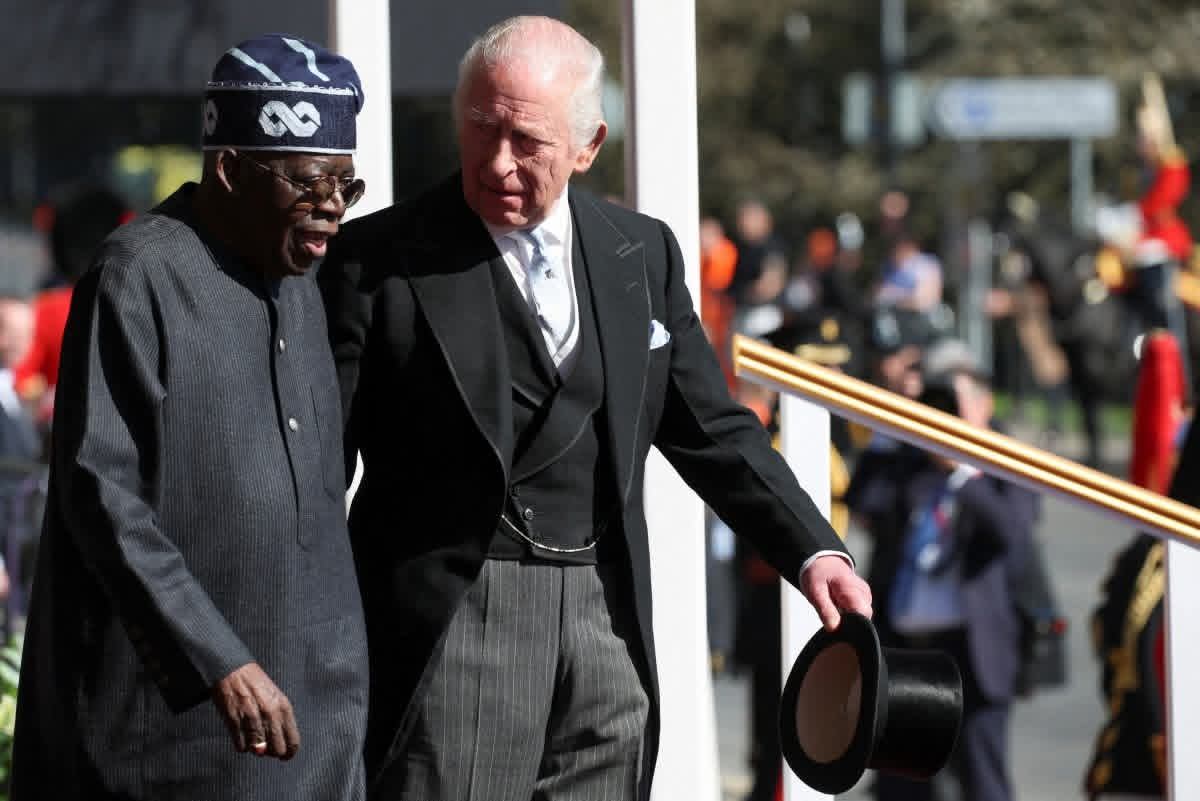
President Tinubu, First Lady arrive in UK for historic state visit

News2 days ago
Soludo takes oath for second term as Anambra Governor

National News2 days ago
Tinubu departs Abuja for historic UK State visit
Sports2 days ago
(ITS OFFICIAL) W’Cup play-off: Nigeria loses DR Congo petition, NFF drags FIFA to court

News2 days ago
2027 Elections: Tinubu directs appointees seeking elective office to resign March 31

News2 days ago
Former FCT Senator Philip Aduda officially joins APC

FCT News2 days ago
Former Senator, Philip Aduda, quits PDP

News1 day ago
Julius Berger ups the ante, delivers landmark CSR activities in Rivers State

Sports1 day ago
CAF Appeal Board awards 2025 AFCON title to Morocco after Senegal forfeiture
-
 National News2 days ago
BREAKING: FG declares March 19–20 Public Holidays for Eid-el-Fitr
-
 News2 days ago
President Tinubu, First Lady arrive in UK for historic state visit
-
 News2 days ago
Soludo takes oath for second term as Anambra Governor
-
 National News2 days ago
Tinubu departs Abuja for historic UK State visit
-
 Sports2 days ago
(ITS OFFICIAL) W’Cup play-off: Nigeria loses DR Congo petition, NFF drags FIFA to court
-
 News2 days ago
2027 Elections: Tinubu directs appointees seeking elective office to resign March 31
-
 News2 days ago
Former FCT Senator Philip Aduda officially joins APC
-
 FCT News2 days ago
Former Senator, Philip Aduda, quits PDP