
National News
FG raises alarm over rising diseases linked to Greenhouse Gas Emissions

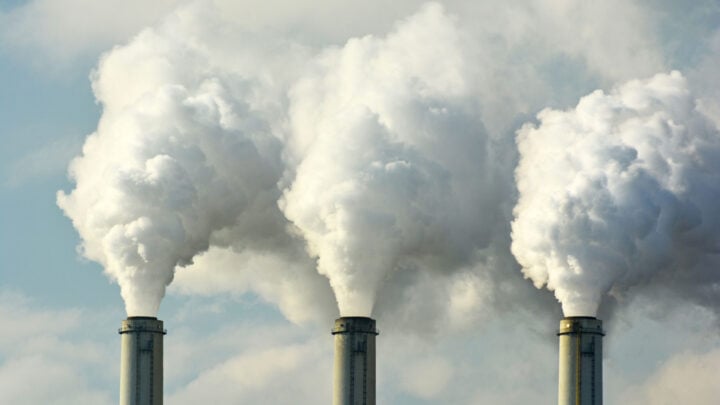
The Federal Government has raised concern over the growing burden of respiratory, cardiovascular and other environment-related diseases across the country, attributing the trend to increasing greenhouse gas (GHG) emissions in Nigeria.
The Minister of Environment, Balarabe Lawal, sounded the alarm on Monday in Abuja at a stakeholders’ engagement on the National Emergency Response to Environment-Related Diseases Arising from Greenhouse Gas Emissions, organised by the Environmental Health Council of Nigeria (EHCON).
Represented by the Permanent Secretary of the ministry, Mahmud Kambari, Lawal said data from environmental surveillance, health records and peer assessments indicate a disturbing rise in illnesses linked to poor environmental quality.
“Respiratory illnesses, cardiovascular conditions, and other environmentally linked diseases are rising. What we are facing today is no longer solely an environmental issue but a public health emergency,” the minister said.
According to him, the disease burden associated with environmental degradation is growing faster than the nation’s health system can manage, resulting in increased healthcare costs for families, reduced workforce productivity and setbacks to national development goals.
Lawal attributed the worsening situation to the absence of a coordinated national framework for addressing health risks associated with greenhouse gas emissions.
To address the challenge, he disclosed that the Federal Government has activated the National Emergency Response Initiative on Environmental Public Health Impacts of Greenhouse Gas Emissions (NERI-EPHIGGE).
He explained that the initiative is designed to provide both immediate and long-term interventions through strengthened environmental regulations, establishment of nationwide environmental health surveillance units, promotion of cleaner energy, adoption of sustainable industrial practices, low-emission transportation systems, and enhanced public awareness.
The minister described NERI-EPHIGGE as a strategic and coordinated national framework aimed at reducing environmental health risks and improving overall population health outcomes.
Lawal stressed that addressing the crisis would require collective action from government agencies, regulators, industry players, and stakeholders in the transport and energy sectors.
“The cost of inaction is greater than the cost of intervention. The science is clear, the health evidence is undeniable, the risks are immediate, and the time to act is now,” he said.
He commended EHCON for organising the engagement, describing it as timely and critical, especially as Nigeria continues to experience rapid urbanisation, industrial growth, rising energy demand and increased transportation activities.
While noting that these trends signal economic growth and modernisation, Lawal warned that they have also led to a significant rise in environmental pollutants, particularly greenhouse gases, with far-reaching consequences for public health.














NYSC Kidnap: Mother Reveals How She Paid N6m to Secure Son’s Release

NAF Helicopter Makes Precautionary Landing in Makurdi, Returns Safely to Base

Aiyedatiwa Orders Search to Continue Until NAF Aircraft, Victims Are Recovered

BREAKING: Security Forces Rescue 20 Prospective NYSC Members, Civilian Abducted in Imo

State Police Must Protect Nigerians, Not Intimidate Them — Comrade Grace Ike

BREAKING: NLC declares indefinite strike in FCT

Lagos hosts Chartered Risk Management Institute’s silver jubilee conference, spotlights youth challenge and national awards

BREAKING: NAF names 25 people killed in ATR 42 crash in Ondo (Full List)

KONEF celebrates World Teachers’ Day, urges greater investment in teaching

Gov. bago swears in six new commissioners, tasks them on diligence
BREAKING: NLC declares indefinite strike in FCT
Lagos hosts Chartered Risk Management Institute’s silver jubilee conference, spotlights youth challenge and national awards
State Police Must Protect Nigerians, Not Intimidate Them — Comrade Grace Ike
BREAKING: Security Forces Rescue 20 Prospective NYSC Members, Civilian Abducted in Imo
Aiyedatiwa Orders Search to Continue Until NAF Aircraft, Victims Are Recovered
NAF Helicopter Makes Precautionary Landing in Makurdi, Returns Safely to Base
NYSC Kidnap: Mother Reveals How She Paid N6m to Secure Son’s Release
-
 News1 day ago
BREAKING: NLC declares indefinite strike in FCT
-
 News2 days ago
Lagos hosts Chartered Risk Management Institute’s silver jubilee conference, spotlights youth challenge and national awards
-
 NUJ FCT22 hours ago
State Police Must Protect Nigerians, Not Intimidate Them — Comrade Grace Ike
-
 News19 hours ago
BREAKING: Security Forces Rescue 20 Prospective NYSC Members, Civilian Abducted in Imo
-
 News2 hours ago
Aiyedatiwa Orders Search to Continue Until NAF Aircraft, Victims Are Recovered
-
 News3 minutes ago
NAF Helicopter Makes Precautionary Landing in Makurdi, Returns Safely to Base
-
 News21 seconds ago
NYSC Kidnap: Mother Reveals How She Paid N6m to Secure Son’s Release