
News
IMF urges Nigeria to reject broad petrol subsidy, recommends targeted relief

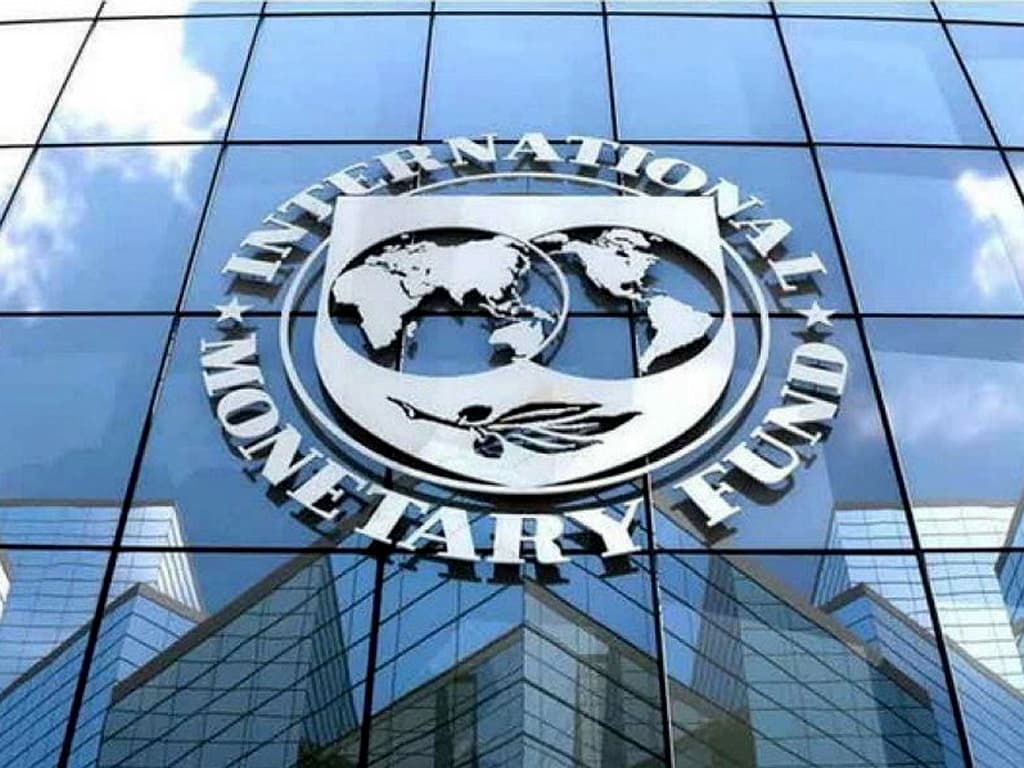
The International Monetary Fund (IMF) has advised Nigeria against restoring a broad petrol subsidy, recommending targeted financial assistance and social protection programmes to cushion vulnerable households against rising energy and transportation costs.
The Fund warned that blanket fuel subsidies place a heavy burden on public finances, tend to benefit higher-income consumers disproportionately and could worsen fiscal pressures amid rising borrowing costs.
Rodrigo Valdés, Director of the IMF’s Fiscal Affairs Department, gave the advice during a press briefing on the Fund’s Fiscal Monitor at the 2026 annual meetings of the IMF and World Bank in Bangkok, Thailand, on Wednesday.
Valdés was responding to a question about the consequences of allowing energy prices to reflect supply constraints, particularly in Nigeria, where rising petrol prices can increase transportation costs, fuel inflation and deepen poverty.
The question also highlighted calls for the restoration of petrol subsidies ahead of Nigeria’s 2027 general elections.
“Protecting people is not the same as protecting the price of fuels,” Valdés said.
He explained that fuel subsidies and other measures preventing energy prices from adjusting fully to supply shocks had cost countries between one and 1.5 per cent of their gross domestic product (GDP) in 2026.
“It’s first fiscally very costly, and second, if you look at the pattern of consumption, it’s easy to see that that subsidy is readily regressive in many places,” he said.
The IMF official urged governments to strengthen social safety nets and use household data to identify people who need assistance rather than subsidise fuel prices across the board.
“There are better tools to deal with this,” he said.
FG Introduces Temporary Petrol Discount
The IMF’s position comes as the Federal Government seeks to cushion Nigerians against rising fuel prices through a temporary petrol discount at retail outlets operated by the Nigerian National Petroleum Company Limited (NNPC).
The government announced a 30-day discount programme, prioritising public transport operators.
Finance Minister Taiwo Oyedele said NNPC retail stations would sell petrol at cost by foregoing their retail profit margins, describing the measure as temporary relief rather than a return to the petrol subsidy regime.
The government also proposed negotiating a ceiling of N1,350 per litre on petrol’s ex-gantry or landing cost, subject to monthly reviews.
IMF Advocates Targeted Support for Vulnerable Households
The Fund also called for targeted interventions to reduce the impact of higher fuel prices on transportation and other essential household expenses.
Davide Furceri, a division chief in the IMF’s Fiscal Affairs Department, said governments could redirect some of the resources spent on blanket fuel subsidies towards vulnerable consumers.
He identified transportation assistance as one alternative, suggesting that governments could subsidise bus fares rather than reduce petrol prices for all consumers.
“For example, you mentioned transportation costs. Yeah, gasoline could go up, and perhaps bus fees may be subsidised in a way that is a much better policy at the end of the day than just a blanket subsidy for everybody,” Furceri said.
He also recommended measures such as school feeding programmes, geographical targeting and assistance for vulnerable farmers to protect households from rising living costs.
Furceri acknowledged that some countries lacked comprehensive household registries and digital payment systems needed to identify beneficiaries and deliver assistance efficiently.
However, he said governments could adopt alternative arrangements in the short term while developing stronger systems for delivering social support.
He stressed that such interventions should be limited, targeted and temporary.
IMF Warns Fuel Subsidies Could Intensify Global Energy Pressures
Valdés also warned that fuel subsidies could worsen global energy pressures by preventing consumers from adjusting their demand when supplies are constrained.
According to him, keeping fuel prices artificially low encourages consumption even when less fuel is available in the global economy, potentially pushing prices higher as the market adjusts.
“When you subsidise, you don’t allow, at the end of the day, demand to adjust,” he said.
“And reality is that we have less fuels in the world economy. That means that someone else has to adjust more, and the market produces a higher price for that.”
The IMF official maintained that broad fuel subsidies were not only costly and regressive but could also create spillover effects across the global economy.
The Fund’s position places emphasis on targeted social protection measures that provide direct assistance to vulnerable households while allowing energy prices to reflect market conditions.



AFP to storm Made By Design Expo 2026 with new designs

Peller announces plans to host Wole Soyinka on livestream

Indonesia seeks Nigerian investment in renewable energy, manufacturing, agriculture

UBEC warns states as $552m Education programme targets 29 Million children

IMF urges Nigeria to reject broad petrol subsidy, recommends targeted relief

Atiku accuses Tinubu of making life expensive, promises affordable living

Zenith Bank Champions Girl-child Empowerment, Equips 300 Schoolgirls For The Future

N101m Judgment Debt: SERAP appeal returned for reassignment as Lawyers withdraw applications

Senate Orders Probe, Aircraft Safety Audit After Fatal NAF Crash in Ondo

Police Detain Rochas Okorocha Over Alleged Forgery, Impersonation

‘We Survived on Garri and Dirty Water’ — Rescued NYSC Member Recounts Kidnap Ordeal

Court strikes out FG’s eight-count charge against alleged fake agency DG, Adeyemi

Atiku Demands Full Disclosure of Coastal Highway Payments, Questions Alleged $20bn Loan
Indonesia seeks Nigerian investment in renewable energy, manufacturing, agriculture

Livinus Victor condemns Abike Dabiri-Erewa’s remarks On journalism, demands public apology to Nigerian Journalists

2027: APC Names PDP’s Wike, Accord’s Adeleke, APGA’s Soludo Campaign Coordinators

Shettima Meets Yahaya Bello, Badaru, Other Political Leaders at Presidential Villa
IMF urges Nigeria to reject broad petrol subsidy, recommends targeted relief
UBEC warns states as $552m Education programme targets 29 Million children

CDS Calls for Increased Investment in Indigenous Space Technology to Boost National Security
-
 News2 days ago
‘We Survived on Garri and Dirty Water’ — Rescued NYSC Member Recounts Kidnap Ordeal
-
 News2 days ago
Atiku Demands Full Disclosure of Coastal Highway Payments, Questions Alleged $20bn Loan
-
 News2 days ago
Court strikes out FG’s eight-count charge against alleged fake agency DG, Adeyemi
-
 National News16 minutes ago
Indonesia seeks Nigerian investment in renewable energy, manufacturing, agriculture
-
 News1 day ago
Livinus Victor condemns Abike Dabiri-Erewa’s remarks On journalism, demands public apology to Nigerian Journalists
-
 News22 hours ago
2027: APC Names PDP’s Wike, Accord’s Adeleke, APGA’s Soludo Campaign Coordinators
-
 News1 day ago
CDS Calls for Increased Investment in Indigenous Space Technology to Boost National Security
-
 News2 days ago
Shettima Meets Yahaya Bello, Badaru, Other Political Leaders at Presidential Villa