
News
Kogi Govt reaffirms commitment to Girls’ Education, vows to tackle Child Marriage
…As AGILE marks International Day of the Girl Child, showcases interventions to empower adolescent girls

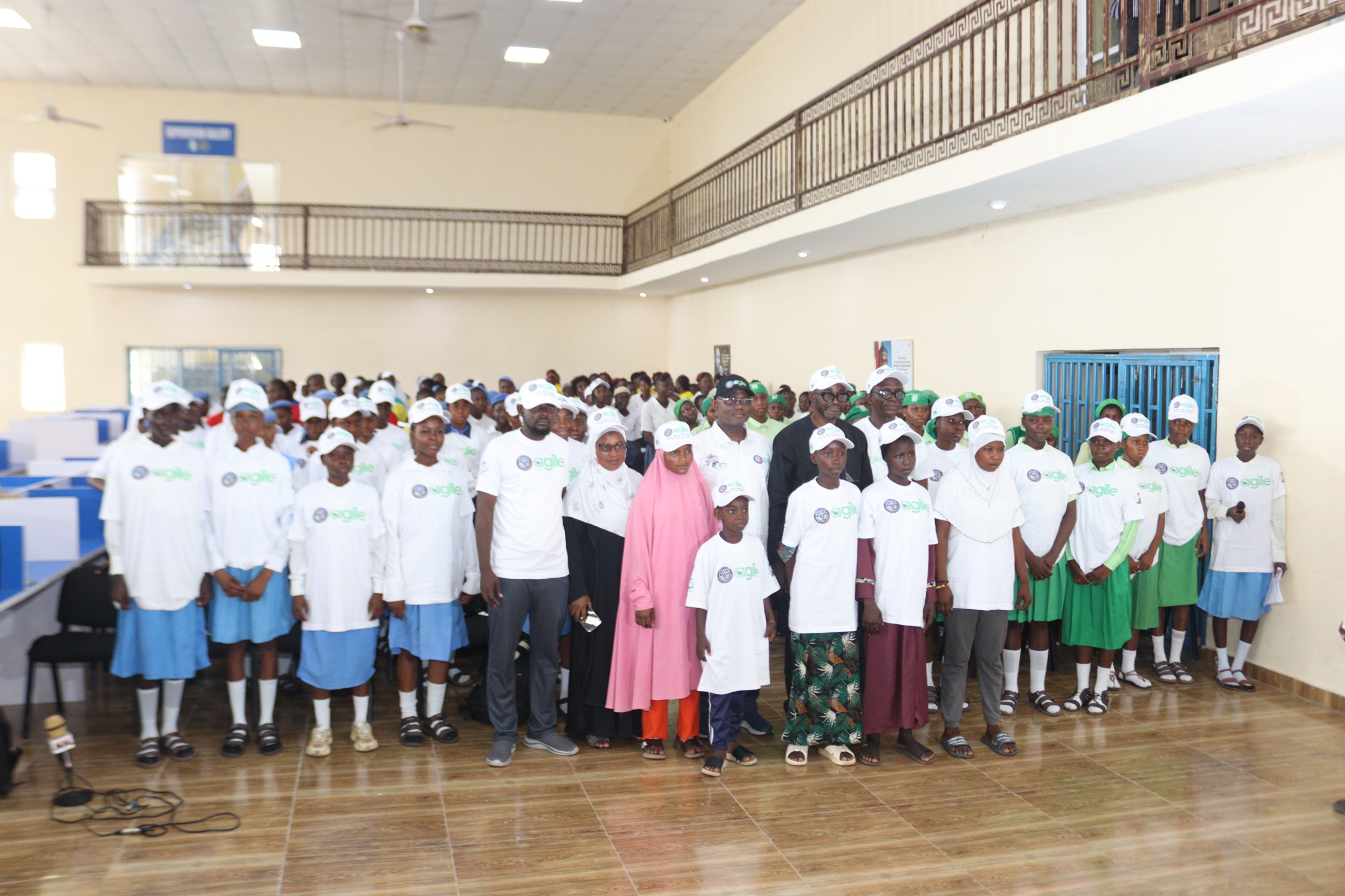
The Kogi State Government has reaffirmed its commitment to providing a conducive learning environment for adolescent girls, assuring that no girl child will be left behind in its efforts to improve access to quality education across the state.
The Commissioner for Education, Mr. Wemi Jones, gave the assurance in Lokoja during the commemoration of the 2026 International Day of the Girl Child, organised by the Kogi State Adolescent Girls Initiative for Learning and Empowerment (AGILE) Project in collaboration with the State Ministry of Education.
The event, held at GYB Model Science Secondary School, Lokoja, under the theme, “End Child Marriage and Invest in Girls’ Rights,” brought together students from participating secondary schools, out-of-school girls, teachers, traditional and religious leaders, government officials and other stakeholders.
Speaking at the occasion, Jones said the theme aligned with the state government’s ongoing efforts to improve educational opportunities for adolescent girls, stressing that the administration remained committed to ensuring that the girl child was not disadvantaged in the provision of a conducive learning environment.
“We are working in close collaboration with AGILE and doing everything possible to ensure that the girl-child does not suffer in the provision of learning environment,” he said.
The Commissioner explained that the state government was supporting the Project Implementation Unit across the various components of AGILE to ensure the successful implementation of interventions designed to empower adolescent girls.
He noted that the administration of Governor Ahmed Usman Ododo was determined to provide the necessary support to ensure the AGILE Project achieved its objectives in Kogi State.
According to him, the project is primarily designed to improve educational opportunities for adolescent girls, although boys attending mixed schools may also benefit indirectly from some of its interventions.
Jones urged the girls to remain focused and committed to their education, advising them not to take the opportunities provided through the project for granted.
He encouraged them to aspire to become successful professionals, leaders and responsible members of society, noting that education remained a critical foundation for personal development and empowerment.
The Commissioner also reiterated the state government’s opposition to child marriage, describing the practice as a criminal offence and warning that anyone found culpable would be dealt with in accordance with the law.
He stressed that girls must be allowed to complete their education and develop their potential without being subjected to harmful practices that could undermine their future.
Earlier, the State Project Coordinator of Kogi AGILE, Alhaji Ahmed Tijani Oricha, described the International Day of the Girl Child as an opportunity for stakeholders to reflect on their collective responsibilities towards improving the lives of adolescent girls.
Oricha explained that the AGILE Project was specifically designed to expand learning opportunities for adolescent girls while reminding parents, teachers, caregivers and community leaders of their roles in ensuring that girls remain in school.
He commended Governor Ahmed Usman Ododo for his commitment to the successful implementation of the project.
The Project Coordinator particularly acknowledged the leadership and institutional support of the Commissioner for Education, Mr. Wemi Jones, describing the Ministry’s collaboration as critical to the progress of the project.
“From the time I assumed duty as Project Coordinator, the best support driving the implementation of Kogi AGILE has been from the Ministry of Education under the leadership of the Honourable Commissioner,” he said.
Oricha highlighted some of the interventions being implemented under the project, including school infrastructure development, Conditional Cash Transfers (CCT), Life Skills Education, Safe Spaces and second-chance education opportunities for girls who had dropped out of school.
He explained that the interventions were designed to address barriers preventing adolescent girls from accessing, remaining in and completing secondary education.
The Project Coordinator, however, emphasised that government efforts alone would not be sufficient to address the challenges confronting adolescent girls.
He therefore appealed to parents, traditional rulers, religious leaders, teachers and other stakeholders to take ownership of initiatives promoting girls’ education and discouraging harmful social norms.
According to him, the theme of this year’s commemoration draws attention to child marriage as one of the major barriers preventing adolescent girls from completing their education and achieving their aspirations.
“When a girl is married before adulthood, her education is interrupted, her opportunities restricted, and her ability to make informed decisions about her future greatly undermined,” he said.
Oricha stressed that investing in girls’ education remained one of the most effective ways of empowering them to contribute meaningfully to their families, communities and the development of society.
The commemoration also featured goodwill messages from traditional and religious leaders, who joined other stakeholders in highlighting the importance of protecting girls’ rights and promoting access to education.
Their participation underscored the need for stronger community involvement in addressing child marriage and other harmful practices that limit educational opportunities for adolescent girls.
A significant feature of the celebration was the participation of out-of-school girls, who joined students from secondary schools in activities aimed at promoting awareness of girls’ rights and encouraging educational empowerment.
Their inclusion reinforced the project’s commitment to reaching vulnerable adolescent girls, particularly those who have dropped out of school, and creating opportunities for their continued learning and development.
Participating schools included Crowther Memorial College, Army Day Secondary School, Muslim Community Secondary School and GYB Model Science Secondary School, among others.
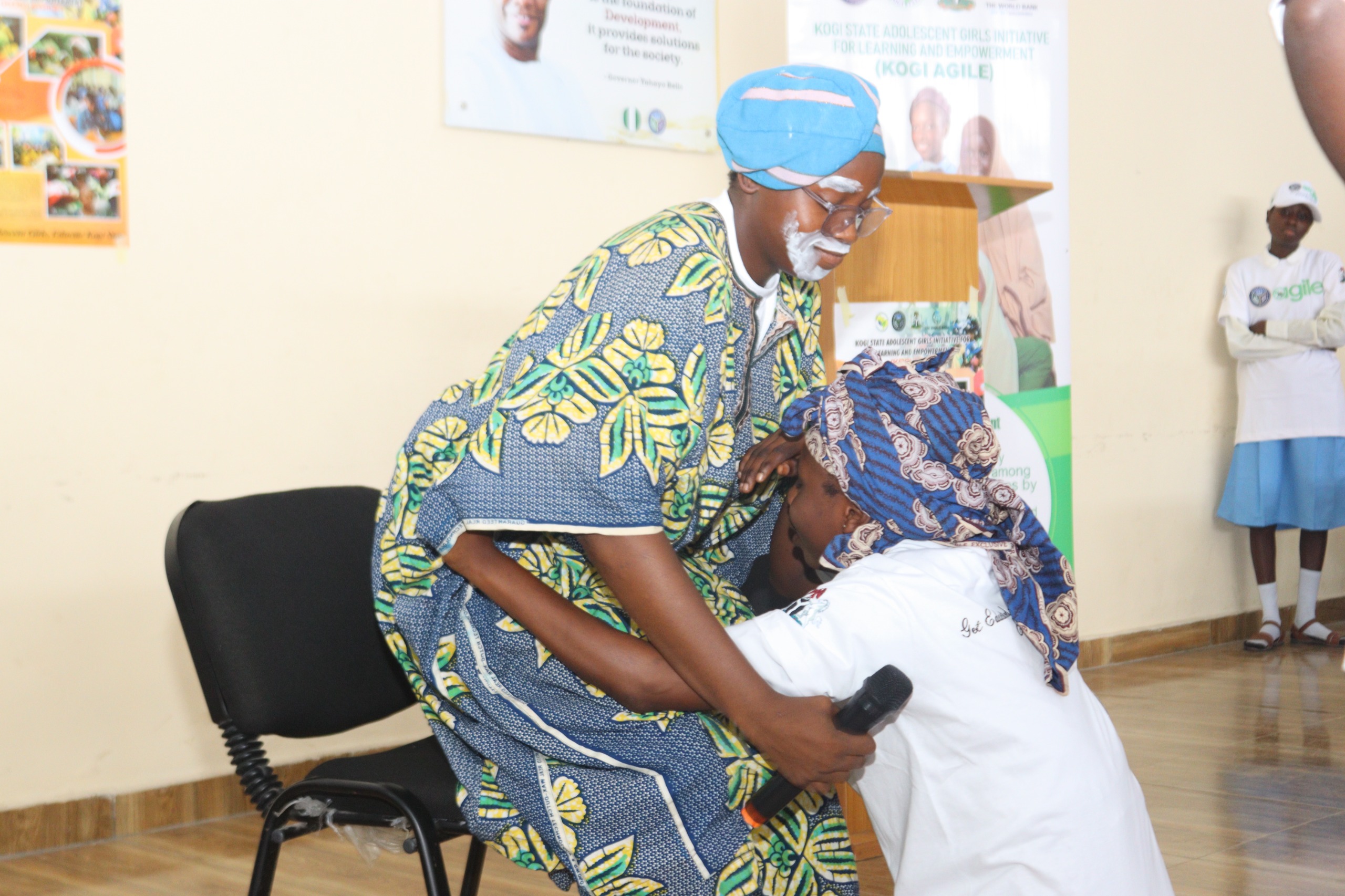
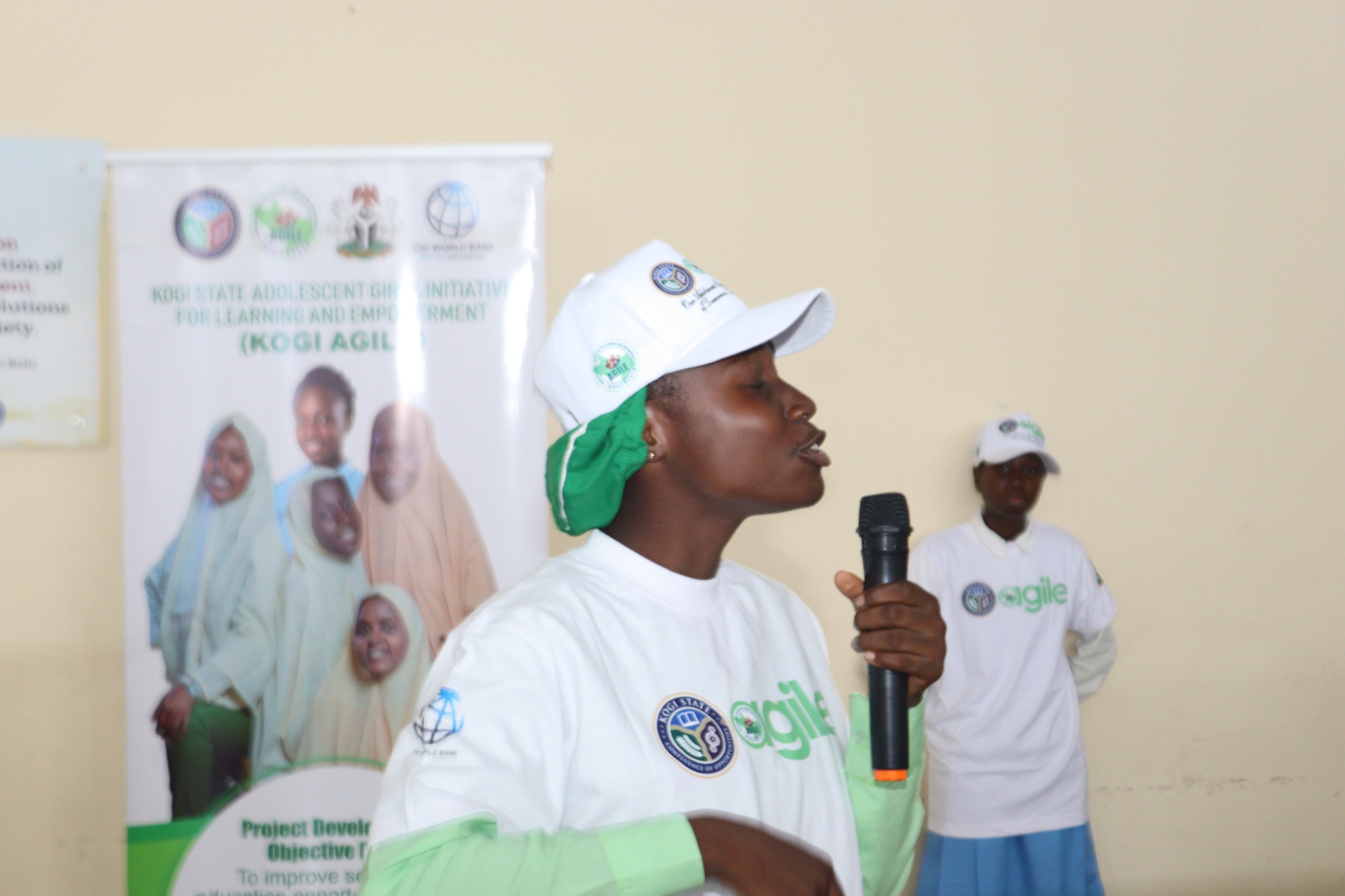
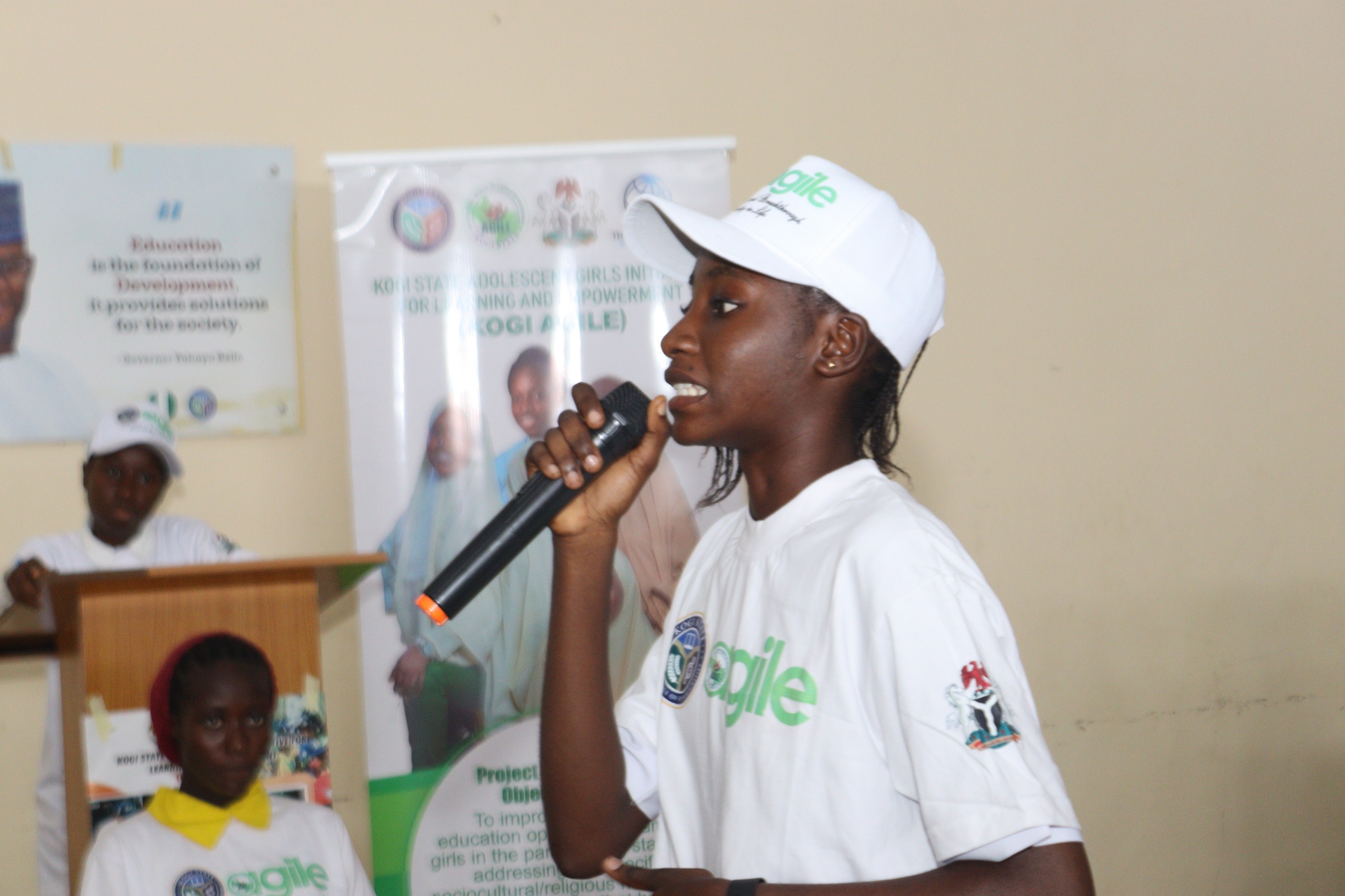
Highlights of the event included an intersecondary school debate on “Child Marriage or Secondary Education,” poetry recitations and drama presentations by students of the participating schools.
The presentations provided opportunities for adolescent girls to express their views, demonstrate their talents and advocate positive social change through creative performances.
The celebration also featured AGILE exhibition stalls showcasing key project interventions, including Life Skills Education, Conditional Cash Transfer, Safe Spaces and the Grievance Redress Mechanism (GRM).
The exhibition provided participants with information on the interventions available under the project and their roles in supporting girls’ education, empowerment and protection.
The event further reinforced the need for sustained collaboration among government institutions, development partners, schools, parents, community leaders and the media in promoting girls’ education.
The Kogi AGILE Project reaffirmed its commitment to working with relevant stakeholders to address barriers to secondary education and ensure that adolescent girls across the state are given opportunities to learn, develop relevant skills and achieve their full potential.
The commemoration concluded with a renewed call for collective action to end child marriage, strengthen community support for girls’ education and ensure that no girl child is left behind.









Kogi AGILE moves to strengthen digital literacy as project opens bids for education intervention

Kogi Govt reaffirms commitment to Girls’ Education, vows to tackle Child Marriage

NSITF Boss Seeks Stronger Inter-Agency Collaboration to Improve Workers’ Welfare

Chinese Ambassador Outlines Four-Point Plan for China-Africa Mining Cooperation

2027: Cross River APC names Stephen Odey DG of campaign

NSA Directorate seeks NUJ partnership to curb misinformation, protect critical infrastructure

AFP to storm Made By Design Expo 2026 with new designs

Peller announces plans to host Wole Soyinka on livestream

Indonesia seeks Nigerian investment in renewable energy, manufacturing, agriculture

UBEC warns states as $552m Education programme targets 29 Million children

IMF urges Nigeria to reject broad petrol subsidy, recommends targeted relief
UBEC warns states as $552m Education programme targets 29 Million children
Indonesia seeks Nigerian investment in renewable energy, manufacturing, agriculture

Zenith Bank Champions Girl-child Empowerment, Equips 300 Schoolgirls For The Future
Peller announces plans to host Wole Soyinka on livestream

Atiku accuses Tinubu of making life expensive, promises affordable living
AFP to storm Made By Design Expo 2026 with new designs
NSA Directorate seeks NUJ partnership to curb misinformation, protect critical infrastructure
2027: Cross River APC names Stephen Odey DG of campaign
Chinese Ambassador Outlines Four-Point Plan for China-Africa Mining Cooperation
-
 News1 day ago
IMF urges Nigeria to reject broad petrol subsidy, recommends targeted relief
-
 News1 day ago
UBEC warns states as $552m Education programme targets 29 Million children
-
 National News1 day ago
Indonesia seeks Nigerian investment in renewable energy, manufacturing, agriculture
-
 Business1 day ago
Zenith Bank Champions Girl-child Empowerment, Equips 300 Schoolgirls For The Future
-
 Entertainment1 day ago
Peller announces plans to host Wole Soyinka on livestream
-
 News1 day ago
Atiku accuses Tinubu of making life expensive, promises affordable living
-
 News22 hours ago
NSA Directorate seeks NUJ partnership to curb misinformation, protect critical infrastructure
-
 News1 day ago
AFP to storm Made By Design Expo 2026 with new designs