







News
Bassa-Nge Nation unveils progressive union, decries decades of neglect

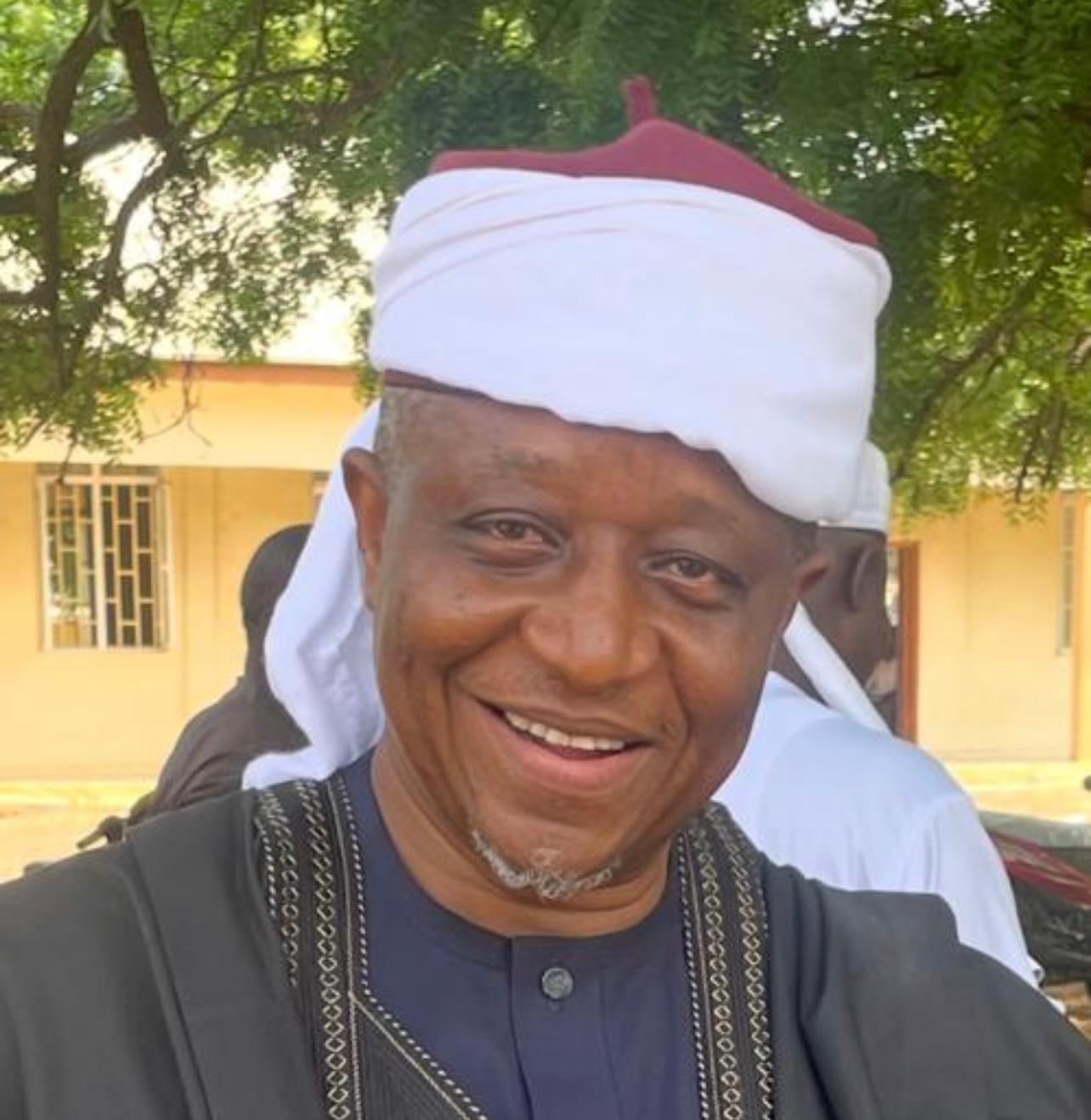
The people of Bassa-Nge Kingdom in Bassa Local Government Area of Kogi State have identified poor leadership and long-standing infrastructural neglect as major factors responsible for the slow pace of development in the area.
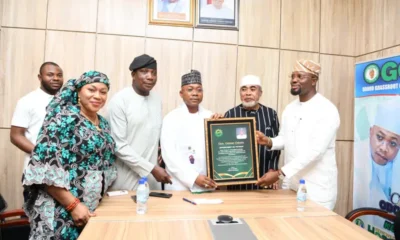
They made the assertion on Friday in Gboloko, the headquarters of the Bassa-Nge Kingdom, during the formal unveiling of the interim executive committee of the newly incorporated Bassa-Nge Progressive Union (BNPU), an event that also coincided with the 40-day prayers in honour of the late paramount ruler of the kingdom, Brigadier-General Abu Ali (Rtd).
Speakers at the event called for unity, collaboration and renewed commitment among sons and daughters of the kingdom, both at home and in the diaspora, stressing that collective action remains the key to reversing decades of underdevelopment.
The gathering also used the occasion to appeal to the federal and Kogi State governments to urgently address critical infrastructure deficits in the area, particularly the reconstruction of the Shintaku–Gboloko–Oguma road, which they described as having remained in deplorable condition for decades, thereby negatively affecting the economic and social lives of residents.
While unveiling the union, the Makama-Daniya of Bassa-Nge Kingdom and Secretary of the Board of Trustees, M.B. Abdullahi, described the occasion as a significant milestone in the journey towards unity, accountability and purposeful leadership in the kingdom.
Abdullahi said the union was conceived to provide a structured platform that would accelerate development and ensure that the collective interests of the people were effectively represented. He explained that the interim executive committee was carefully constituted to provide direction, stabilise the union’s structures and manage its affairs during a six-month transitional period.
He urged all Bassa-Nge sons and daughters to rally behind the leadership of the union, noting that its success depended largely on the cooperation and support of the people.
Several paper presentations were delivered in honour of the late Brigadier-General Abu Ali (Rtd), whom speakers described as a selfless leader who devoted his lifetime to the unity, peace and development of the Bassa-Nge Kingdom.
In a paper titled “Strategic Importance of Bassa-Nge Progressive Union as a Tool for Social and Political Emancipation of Our People,” Dr. Abdulmumini Yakubu Umar stressed that the union must be driven by leaders with progressive minds and sound leadership qualities to avoid political and social setbacks.
He emphasised the need for unity among Bassa-Nge-speaking communities and cautioned against socio-cultural imbalances, adding that effective representation of Bassa-Nge children at the local, state and federal levels would enhance infrastructural development in the kingdom.
Also speaking, the Kakaki of Bassa-Nge, Jacob Edi, revealed that the union had developed a long-term strategic development plan spanning the next 200 years, expressing confidence that the fortunes of the kingdom would change significantly in the coming years.
According to him, the formation of the union was aimed at harmonising previous contending interests and forging a common front capable of driving accelerated development. He noted that the late monarch had consistently advocated for a unified platform that could champion the cause of the people.
Other presentations at the event included “The Legacy of the Late Etsu of Bassa-Nge Kingdom, Brigadier-General Abu Ali (Rtd), and His Impact on the Kingdom” by Chief Julius Elukpo, and “Unlocking the Economic Potentials of Bassa-Nge Kingdom and the Challenges of Leadership” by Dr. Yahaya Ndako.
In his acceptance speech, the interim President of the Bassa-Nge Progressive Union, Dr. Yahaya Ndako, pledged the commitment of his team to the development of the kingdom, assuring the people that the union would not betray the trust placed in it.
“We cannot afford to fail our people,” he said.


















News1 hour ago
Storm wrecks Kugbo bus terminal months after commissioning, triggers Abuja gridlock

News2 hours ago
ADC Crisis deepens as Kachikwu’s faction backs INEC, disowns Mark, Gombe

News2 hours ago
Police must uphold integrity, Disu charges officers at National Police Day

Entertainment2 hours ago
Cancer survivor accuses Blessing CEO of using altered medical report without consent

News2 hours ago
Passion of Christ actor killed by firework during church rehearsal in Cross River

FCT News2 hours ago
FCT Minister orders arrest of developer, seizure of land after Abuja hotel collapse

News5 hours ago
NAFDAC moves to cut salt in foods as Nigeria battles rising hypertension cases

News8 hours ago
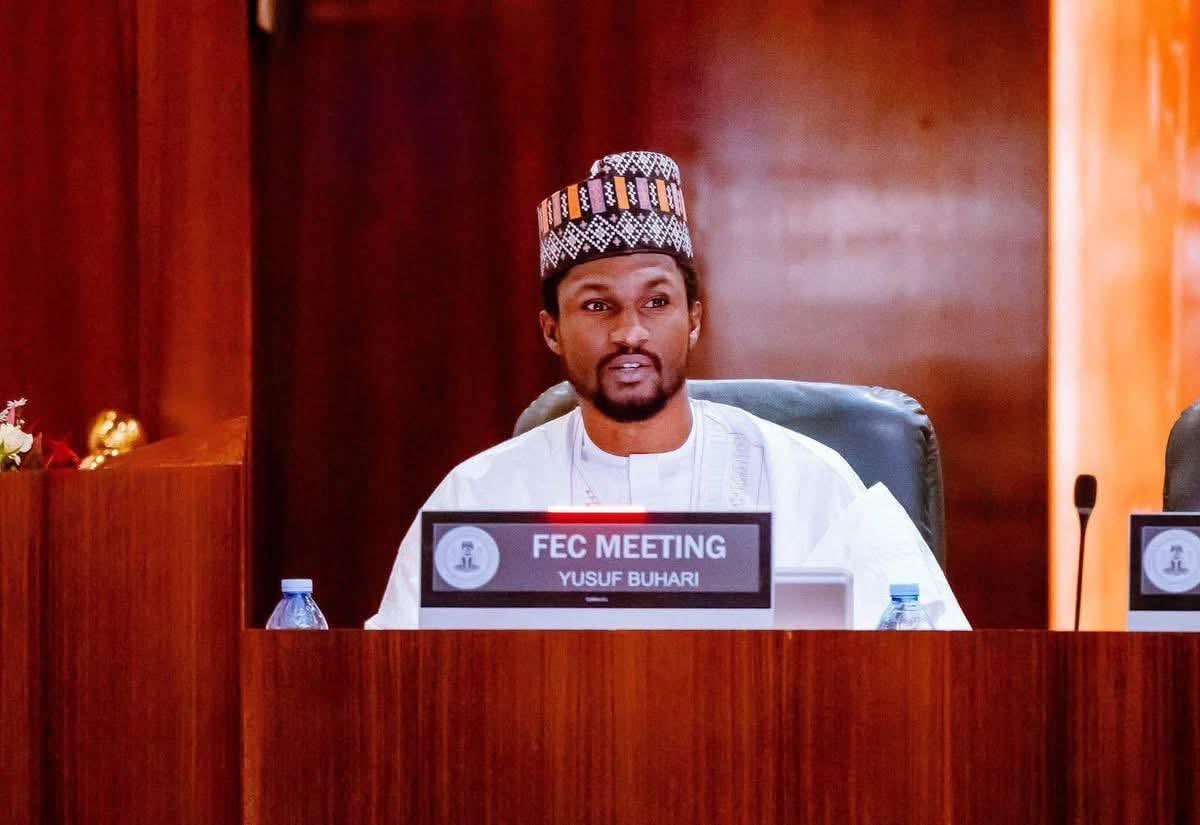
Yusuf Buhari declares 2027 House of Representatives bid

World News8 hours ago
Artemis 2 crew sets new human distance record from earth on historic Lunar Flyby

News12 hours ago
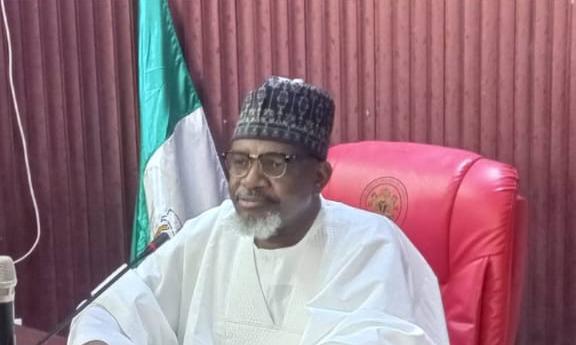
BREAKING: Kebbi Assembly Speaker Muhammad Zuru dies after illness in Egypt

News2 days ago
Easter Tragedy: 17 feared dead as Herdsmen attack Benue community

News1 day ago
ADC coalition ‘no threat’ to APC — Felix Morka

News1 day ago
NUJ demands apology from Wike over comment on Journalist Seun Okinbaloye

National News2 days ago
Tinubu approves ₦3.3trn power debt settlement to tackle outages, boost economy

News1 day ago
Cleric distributes rice to members at Easter, preaches love

News1 day ago
Arteta rallies Arsenal after shock defeats ahead of Champions League clash

News1 day ago
Stray bullet from soldiers’ celebration kills teenager in Maiduguri

News1 day ago
Easter: NSIFT boss Faleye felicitates staff, commends dedication to duty
News12 hours ago
BREAKING: Kebbi Assembly Speaker Muhammad Zuru dies after illness in Egypt
FCT News2 hours ago
FCT Minister orders arrest of developer, seizure of land after Abuja hotel collapse
-
 News2 days ago
Easter Tragedy: 17 feared dead as Herdsmen attack Benue community
-
 National News2 days ago
Tinubu approves ₦3.3trn power debt settlement to tackle outages, boost economy
-
 News1 day ago
ADC coalition ‘no threat’ to APC — Felix Morka
-
 News1 day ago
NUJ demands apology from Wike over comment on Journalist Seun Okinbaloye
-
 News1 day ago
Cleric distributes rice to members at Easter, preaches love
-
 News12 hours ago
BREAKING: Kebbi Assembly Speaker Muhammad Zuru dies after illness in Egypt
-
 News1 day ago
Arteta rallies Arsenal after shock defeats ahead of Champions League clash
-
 News1 day ago
Stray bullet from soldiers’ celebration kills teenager in Maiduguri