National News
Tinubu signs landmark executive order to channel Oil, Gas revenues directly to federation account

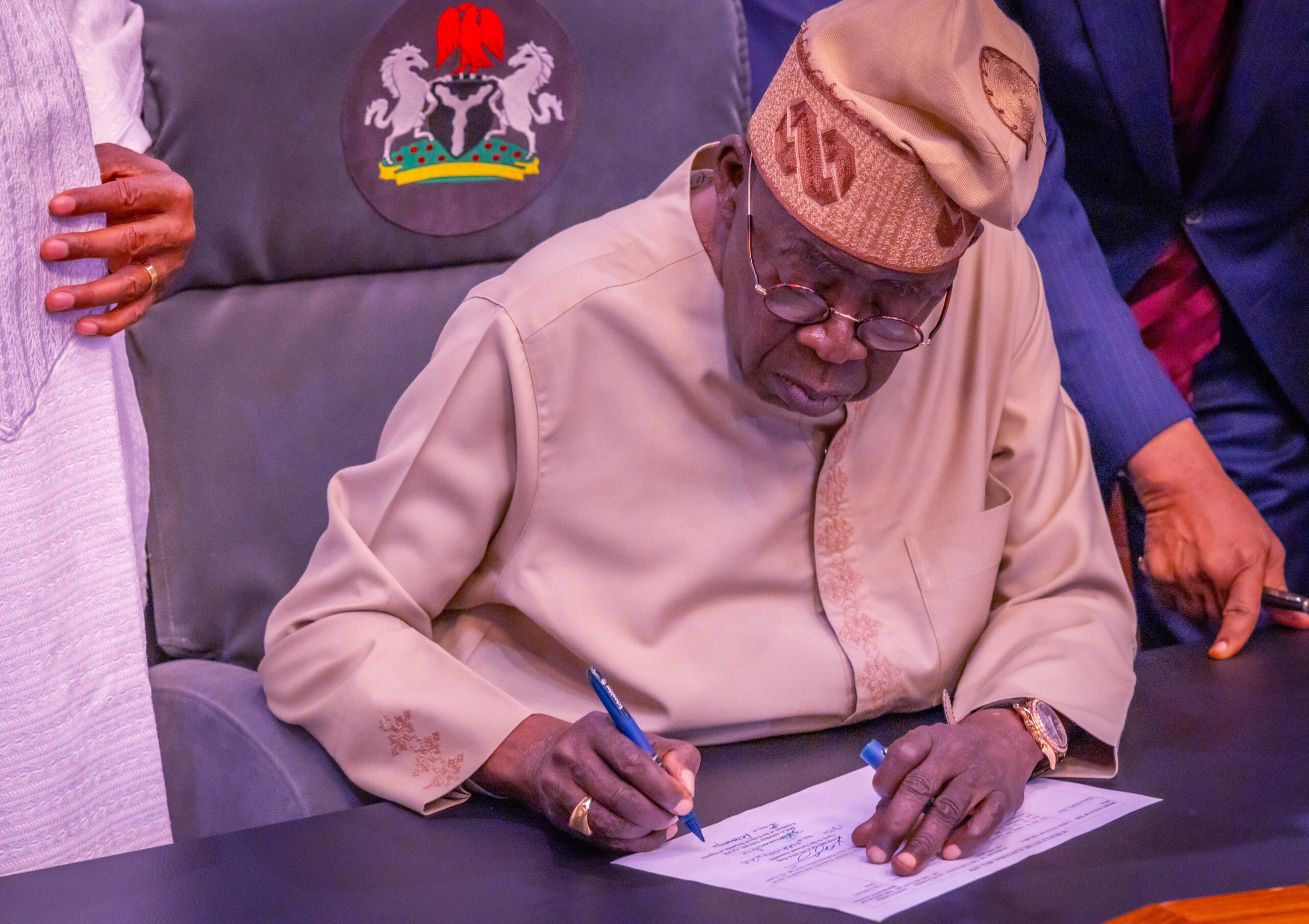
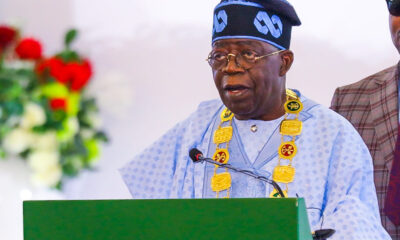
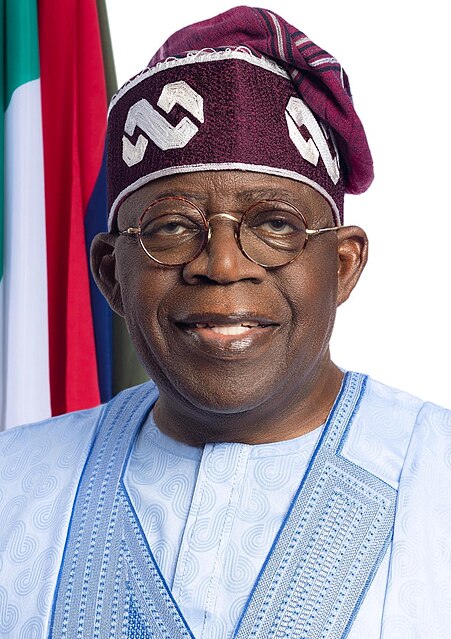
President Bola Tinubu has signed a landmark Executive Order designed to safeguard and maximise Nigeria’s oil and gas revenues, curb wasteful spending, and eliminate duplicative structures in the petroleum sector.
The directive, signed pursuant to Section 5 of the Constitution of the Federal Republic of Nigeria (as amended), seeks to restore the constitutional revenue entitlements of the federal, state, and local governments that were affected by provisions of the 2021 Petroleum Industry Act (PIA).
In a statement issued Wednesday by the Special Adviser to the President on Information and Strategy, Bayo Onanuga, the presidency said the order mandates the direct remittance of key oil and gas revenues into the Federation Account.
Key Changes Under the Order
NNPC Retentions Ended: NNPC Limited will no longer collect the 30% Frontier Exploration Fund or the 30% management fee on profit oil and gas.
Direct Revenue Remittance: Royalty Oil, Tax Oil, Profit Oil, Profit Gas, and other levies due under Production Sharing Contracts will now be paid directly into the Federation Account.
Gas Flare Penalties Redirected: Penalties from gas flaring, previously funding the Midstream and Downstream Gas Infrastructure Fund (MDGIF), will now be remitted to the Federation Account, with MDGIF expenditures subject to public procurement laws.
According to the presidency, the reforms address concerns about multiple deductions that significantly reduced inflows to the Federation Account and ensure that NNPC transitions strictly into a commercial operator, eliminating potential conflicts of interest embedded in the previous framework.
Implementation Structure
To execute the reforms, President Tinubu has constituted:
A joint project team to coordinate integrated petroleum operations.
An Implementation Committee comprising senior officials from the Ministry of Finance, Ministry of Budget and National Planning, Ministry of Justice, Ministry of State for Petroleum Resources, the Nigeria Revenue Service, and the Budget Office of the Federation.
The President emphasised that the reforms are central to strengthening Nigeria’s fiscal stability, ensuring debt sustainability, and increasing resources for national priorities including security, education, healthcare, and energy transition.
He also pledged a comprehensive review of the Petroleum Industry Act in consultation with stakeholders to address remaining fiscal and structural gaps.







NSITF Boss Seeks Stronger Inter-Agency Collaboration to Improve Workers’ Welfare

Chinese Ambassador Outlines Four-Point Plan for China-Africa Mining Cooperation

2027: Cross River APC names Stephen Odey DG of campaign

NSA Directorate seeks NUJ partnership to curb misinformation, protect critical infrastructure

AFP to storm Made By Design Expo 2026 with new designs

Peller announces plans to host Wole Soyinka on livestream

Indonesia seeks Nigerian investment in renewable energy, manufacturing, agriculture

UBEC warns states as $552m Education programme targets 29 Million children

IMF urges Nigeria to reject broad petrol subsidy, recommends targeted relief

Atiku accuses Tinubu of making life expensive, promises affordable living
Indonesia seeks Nigerian investment in renewable energy, manufacturing, agriculture
IMF urges Nigeria to reject broad petrol subsidy, recommends targeted relief
UBEC warns states as $552m Education programme targets 29 Million children

Zenith Bank Champions Girl-child Empowerment, Equips 300 Schoolgirls For The Future
Peller announces plans to host Wole Soyinka on livestream

N101m Judgment Debt: SERAP appeal returned for reassignment as Lawyers withdraw applications
Atiku accuses Tinubu of making life expensive, promises affordable living
AFP to storm Made By Design Expo 2026 with new designs
NSA Directorate seeks NUJ partnership to curb misinformation, protect critical infrastructure
2027: Cross River APC names Stephen Odey DG of campaign
-
 News1 day ago
IMF urges Nigeria to reject broad petrol subsidy, recommends targeted relief
-
 News1 day ago
UBEC warns states as $552m Education programme targets 29 Million children
-
 National News1 day ago
Indonesia seeks Nigerian investment in renewable energy, manufacturing, agriculture
-
 Business1 day ago
Zenith Bank Champions Girl-child Empowerment, Equips 300 Schoolgirls For The Future
-
 News2 days ago
N101m Judgment Debt: SERAP appeal returned for reassignment as Lawyers withdraw applications
-
 News1 day ago
Atiku accuses Tinubu of making life expensive, promises affordable living
-
 Entertainment1 day ago
Peller announces plans to host Wole Soyinka on livestream
-
 News1 day ago
AFP to storm Made By Design Expo 2026 with new designs