
Feature
China’s Digital Blue Economy: Qingdao seminar opens new frontiers for Egypt, Fiji, Indonesia and Nigeria

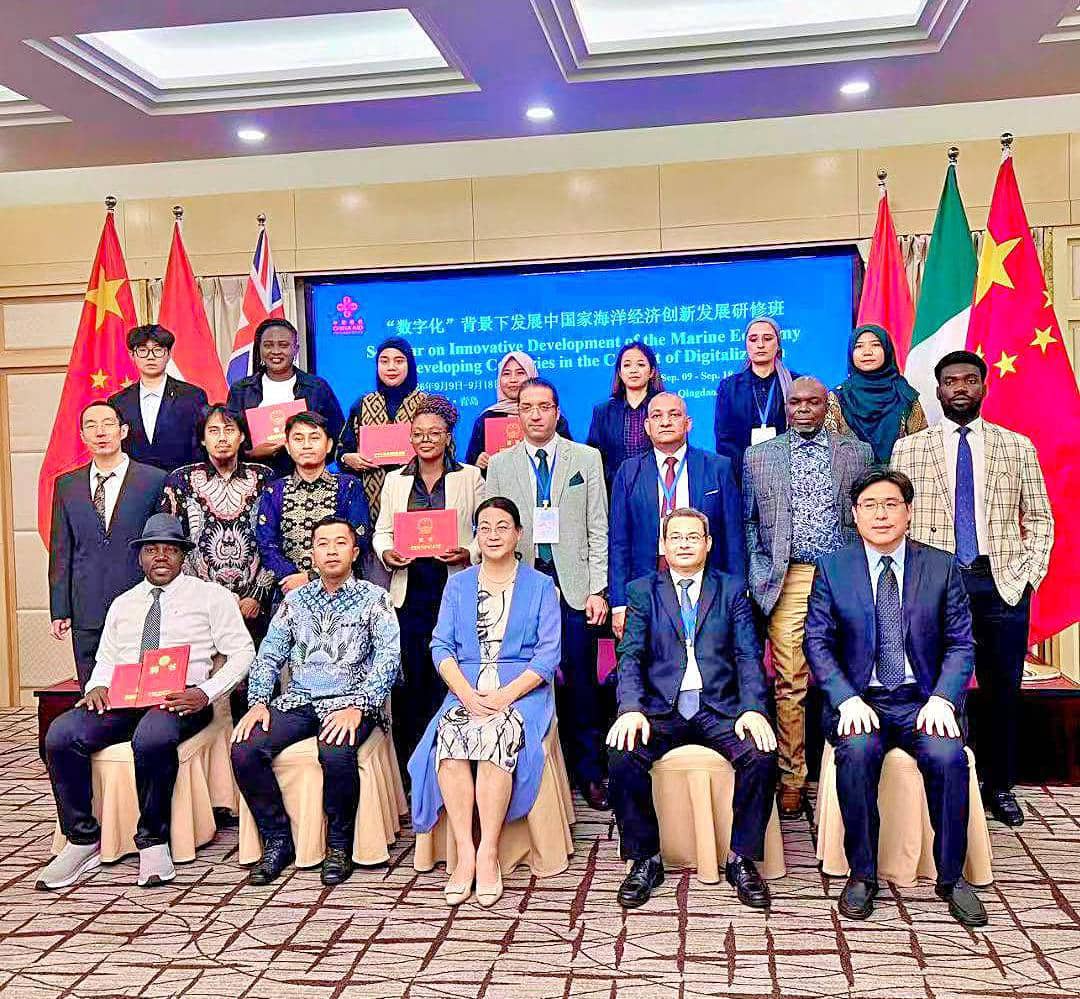
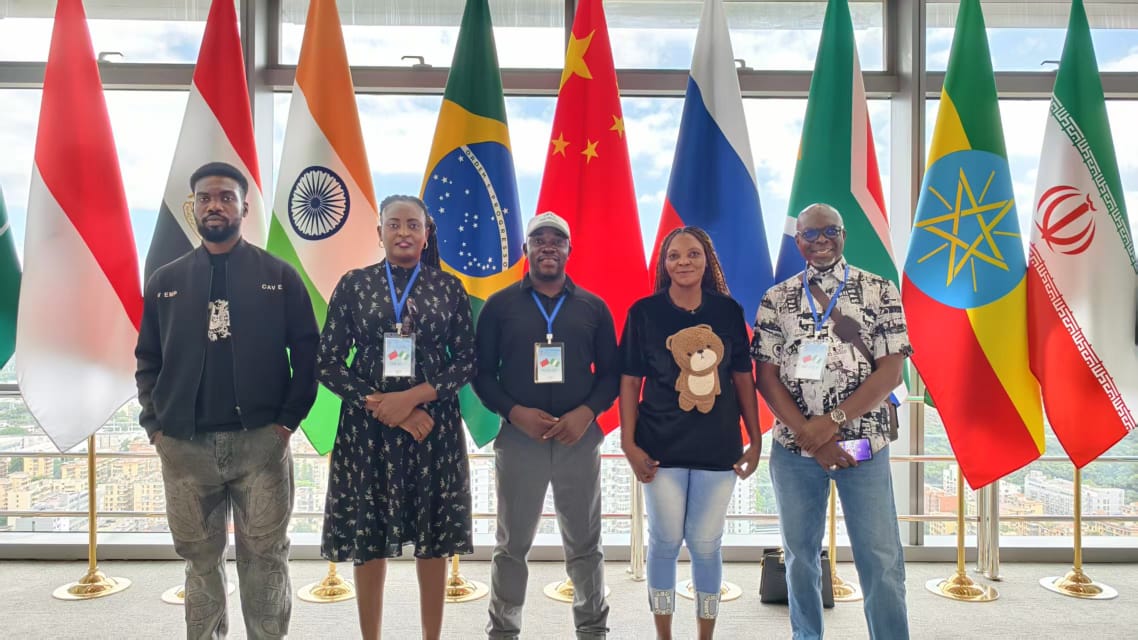
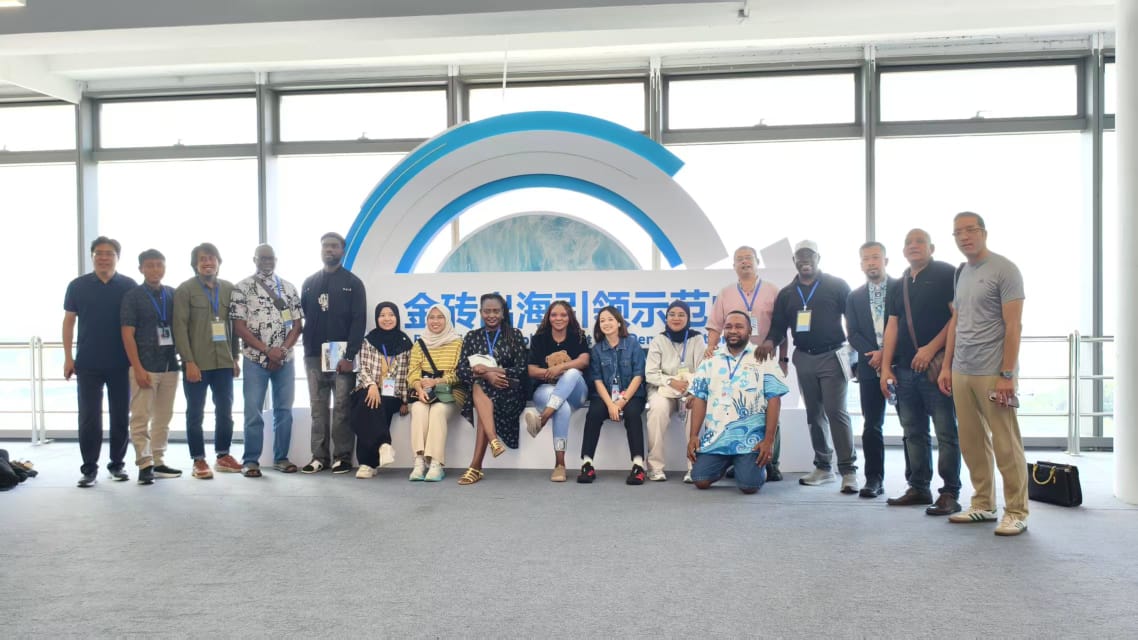
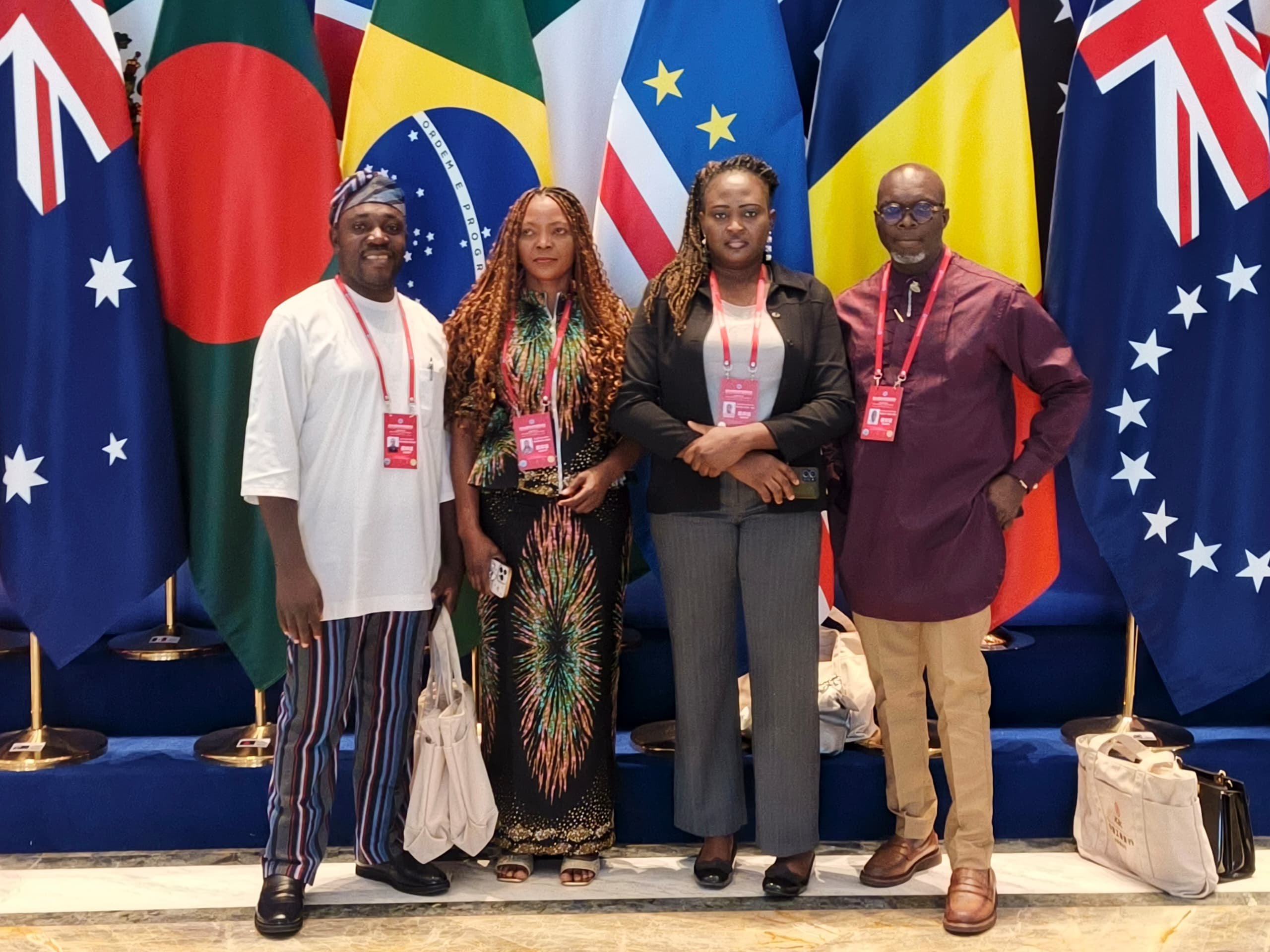
For twelve days, from 9 to 18 September 2026, the coastal city of Qingdao in Shandong Province, China, became a meeting point for policymakers, public officials, media and development practitioners from Egypt, Fiji, Indonesia and Nigeria, united by a common interest in one of the world’s most promising areas of economic development, the marine economy.
The Seminar on Innovative Development of the Marine Economy for Developing Countries in the Context of Digitalization, hosted by the Ministry of Commerce of the People’s Republic of China and organised by Shandong Foreign Trade Vocational College, Qingdao, provided participants with an opportunity to examine how digital technology, innovation, policy, infrastructure and international cooperation can transform the way countries utilise their marine resources.
More than a conventional training programme, the seminar created a platform for participants from Africa, Asia and the Pacific to learn from China’s experience while sharing the challenges and opportunities confronting their own countries.
The central message was clear: the future of the blue economy will increasingly depend on the ability of countries to combine their marine resources with digital technology, innovation, skills development and sustainable governance.
From marine resources to digital opportunity
Opening the seminar, Wang Yingxi, Director of the Academy for International Officials at Shandong Foreign Trade Vocational College, described the marine economy as an important engine of global economic growth, while identifying digital transformation as a major driver of its future development.
According to him, digitalisation can help developing countries optimise marine-resource allocation, modernise ports and shipping, develop emerging marine industries and strengthen protection of marine ecosystems.
“Against the current backdrop of deep integration between global industrial changes and digital technology, seizing opportunities in digital development and enhancing the capacity for innovative growth in the marine economy is of significant strategic importance,” Wang stated.
He highlighted China’s commitment under the Global Development Initiative and the 21st Century Maritime Silk Road to foster open, mutually beneficial blue economy partnerships. With Shandong’s gross marine product exceeding 1.9 trillion yuan in 2025, the province served as a practical benchmark for participants in areas such as smart port operations, digital marine governance, and blue finance.
China’s experience in smart-port development, digital marine governance, maritime transportation and blue-finance innovation, he noted, offers useful reference points for developing countries seeking to modernise their own marine sectors.
The choice of Qingdao as the venue was particularly significant.
Shandong has established itself as one of China’s major marine economic centres, with a broad industrial base spanning port operations, shipping, marine equipment, fisheries and coastal tourism. Qingdao, in particular, has developed significant capabilities in marine science and technology, smart ports and digital shipping.
For the participants, therefore, the seminar was not simply about listening to presentations. It was an opportunity to observe how policies and technologies discussed in the classroom are being applied in real-world settings.
Four countries, one shared ocean opportunity
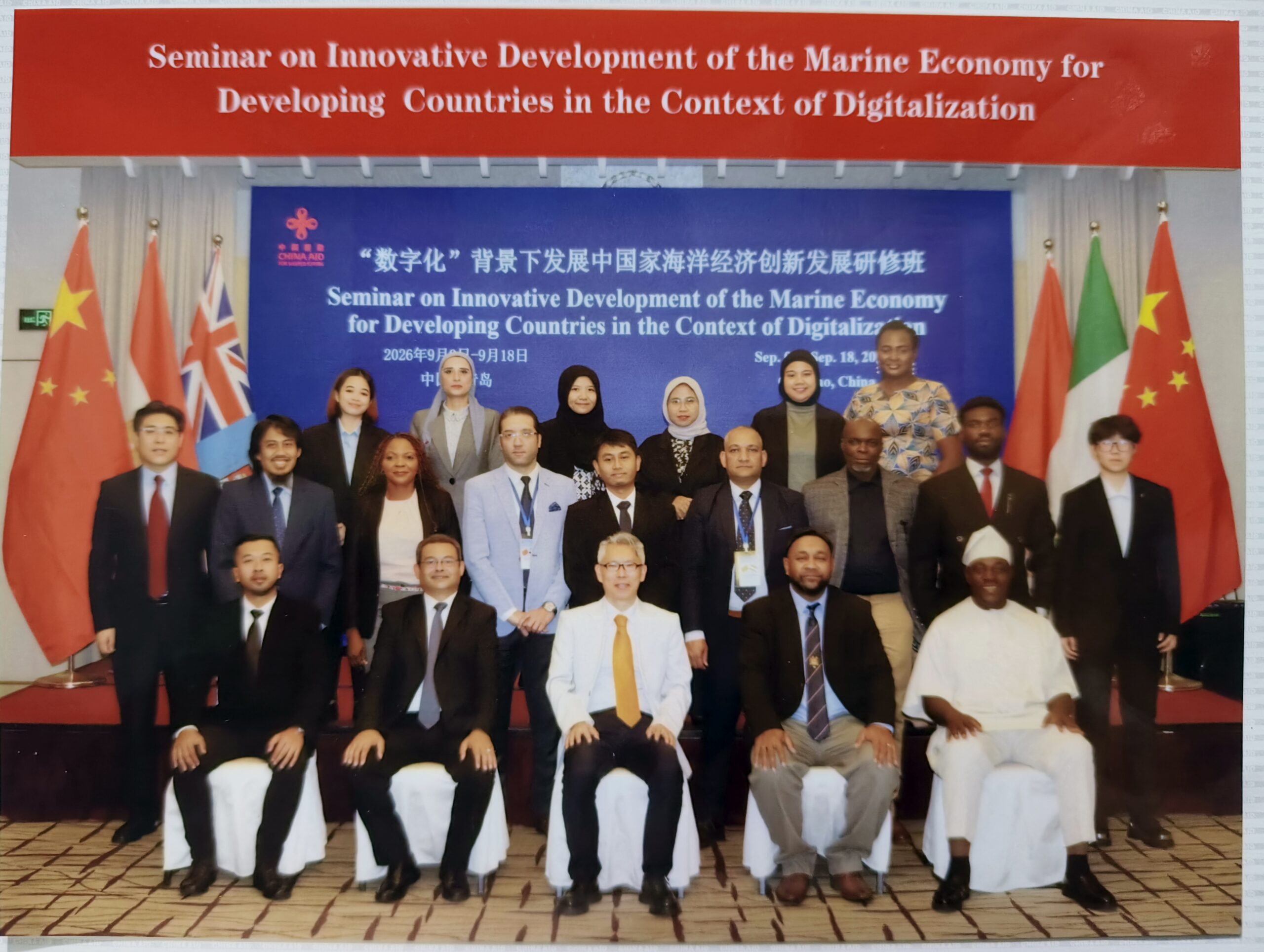
Representatives from Egypt, Fiji, Indonesia and Nigeria arrived from different geographical and economic environments, but their participation reflected a shared reality: the ocean represents a significant development opportunity for countries with maritime resources.
Speaking on behalf of the participating countries at the opening ceremony, Dr Ayman Ahmed Mohamed Attia Elgamal, General Director of the General Department of Political Communication and Parliamentary Affairs of Egypt’s Ministry of Local Development and Environment, described the programme as an important platform for international cooperation.
“We come from different corners of the world, but we share a common boundary: our deep connection to the ocean,” Dr Elgamal remarked. “Digitalization is no longer just a luxury or an option; it is our clear path forward.”
He highlighted the relationship between the participation countries and China and he that the participation of the four countries demonstrated a common desire to exchange knowledge, encourage innovation and build sustainable development pathways.
The significance of the gathering went beyond the four countries.
Egypt brought the perspective of a major African and Mediterranean country with strategic maritime and logistics interests. Fiji represented the Pacific Island perspective, where oceans are central to livelihoods, connectivity and economic activity. Indonesia brought the experience of one of the world’s largest archipelagic nations, while Nigeria contributed the perspective of Africa’s largest economy and a country with substantial coastal, fisheries, port, maritime and offshore resources.
Their different experiences provided an important basis for learning from one another.
Nigeria and the opportunity of a digital blue economy
For Nigeria, the lessons from the seminar are particularly relevant.
The country possesses extensive maritime resources and opportunities across fisheries and aquaculture, ports and shipping, maritime transportation, coastal tourism, logistics and offshore energy.
Yet the economic value of these resources depends not only on their availability but also on the country’s capacity to manage them efficiently, attract investment, develop appropriate infrastructure and deploy modern technology.
The Qingdao experience demonstrated how digital systems can be integrated into port operations, logistics, maritime transportation and government services to improve efficiency and decision-making.
For Nigeria, such lessons could inform efforts to strengthen the efficiency of its ports, improve maritime logistics, expand fisheries and aquaculture, enhance coastal economic activities and develop the skills required for a modern blue economy.
The seminar also reinforced an important principle: digital transformation should not be viewed simply as the computerisation of existing processes. It can fundamentally change how information, people, vessels, cargo, infrastructure and government agencies interact within the maritime economy.
That perspective has implications for Nigeria’s policymakers, universities, technology companies, port operators, investors and maritime institutions.
Qingdao Port: technology in action
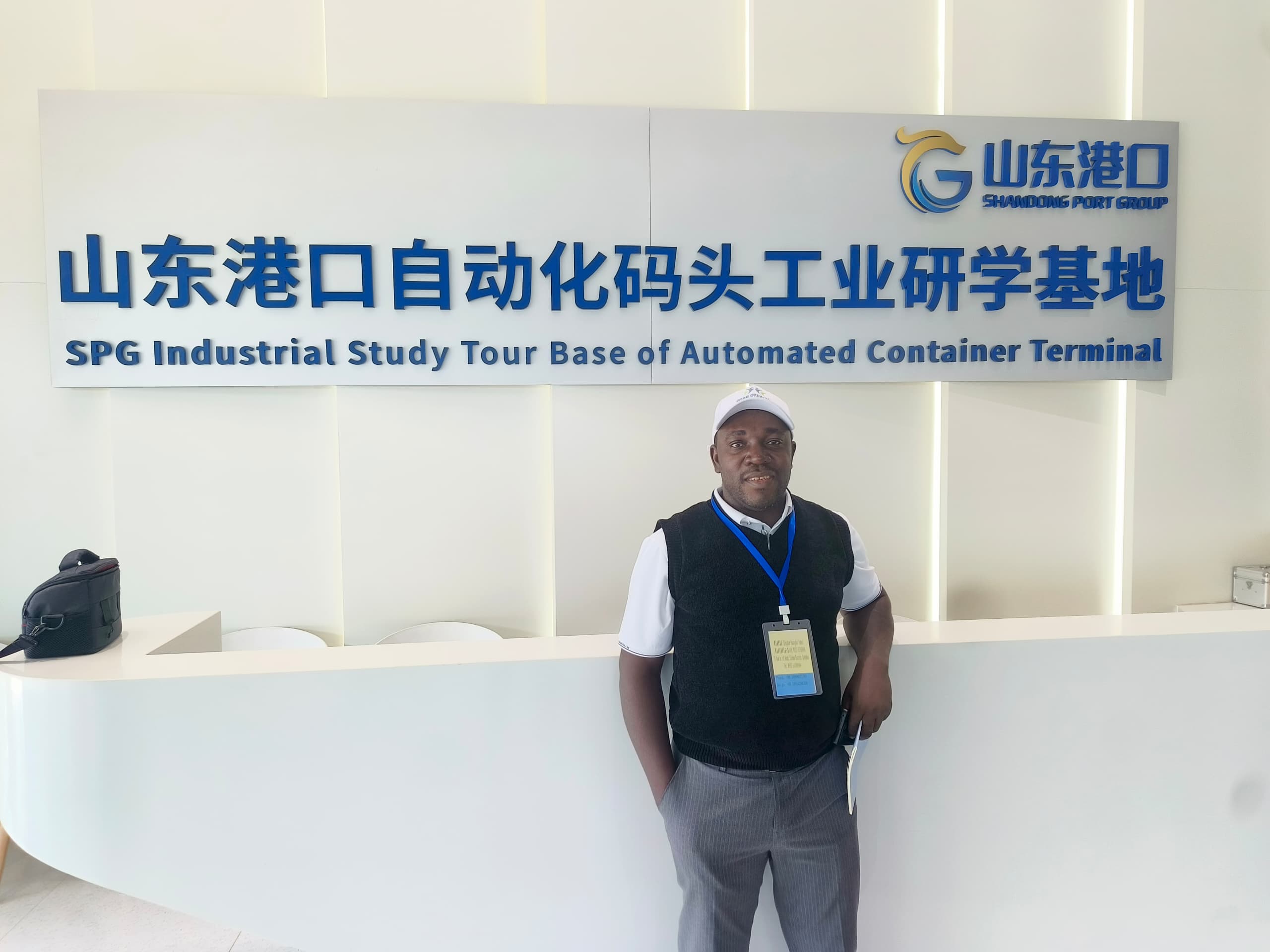
One of the major highlights of the programme was the field visit to the automated terminal at Qingdao Port.
Rather than learning about smart-port technology solely through lectures, participants were able to see automation and digital systems operating within an actual port environment.
The visit provided practical insight into how technology can support port efficiency, safety, operational coordination and more sustainable maritime activities.
For countries seeking to modernise their ports, the experience demonstrated the importance of combining infrastructure with digital systems, skilled personnel and effective management.
It also raised a broader question for developing countries: how can successful technological models be adapted to local conditions rather than simply replicated?
That question is particularly important because the marine economy differs from one country to another. What works in a highly automated Chinese port may require modification when applied to a developing country’s infrastructure, regulatory environment, investment capacity or workforce.
Beyond ports: people, communities and the blue economy
The participants’ experience also demonstrated that marine development is not exclusively about ports, ships and technology.
A visit to Maojiashan Village offered an insight into China’s rural revitalisation experience and showed how development can connect economic opportunities with the wellbeing of local communities.
For developing countries, this is an important dimension of blue-economy planning.
Coastal communities are often the first to experience the economic and environmental consequences of marine development. Sustainable development therefore requires attention to employment, livelihoods, skills, environmental protection and community participation.
The lesson is particularly relevant to countries such as Nigeria, Fiji, Indonesia and Egypt, where coastal communities play important roles in fisheries, tourism, transportation and other economic activities.
Xiamen: linking government, industry and innovation
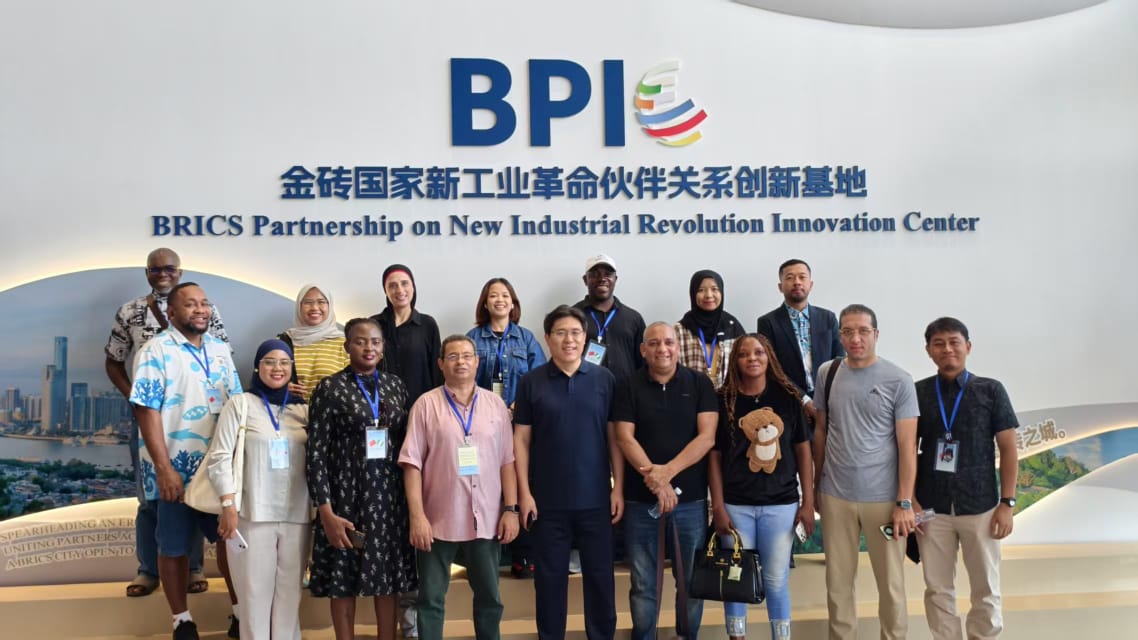
The programme also took participants to Xiamen, where they visited the BRICS Industrial Cooperation and Go-Global Comprehensive Service Hub and the Xiamen Public Service Centre for Marine Economy.
The visits provided another perspective on how government institutions, businesses, technology providers and international partners can work together to support marine economic development.
For participating countries, the experience offered possible models for creating stronger links between policy and enterprise.
Such collaboration can help governments understand the needs of industry while enabling businesses and research institutions to contribute to practical solutions in areas including digital trade, marine technology, logistics, investment and human-capital development.
The Global Ocean Development Forum
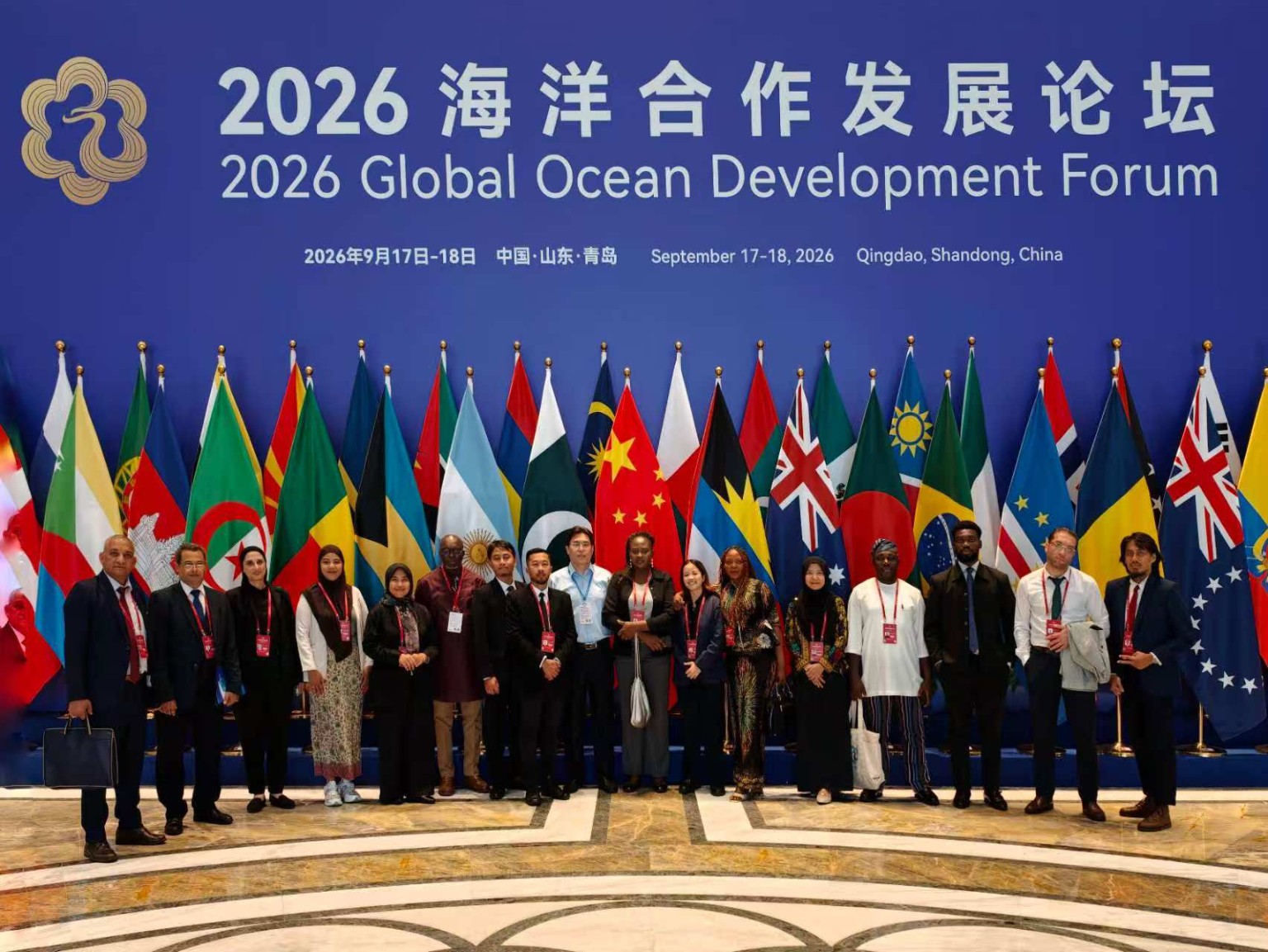
Another major component of the programme was participation in the 2026 Global Ocean Development Forum, where participants were exposed to broader international discussions on the future of ocean development.
For many of the delegates, the forum provided an opportunity to engage with perspectives extending beyond the seminar itself and to better understand how marine development is increasingly becoming an international cooperation issue.
Issues such as climate change, marine conservation, sustainable fisheries, digitalisation, maritime connectivity, technology and investment cannot be addressed effectively by individual countries acting alone.
They require knowledge sharing, partnerships and sustained international dialogue.
From knowledge-sharing to practical cooperation
The closing ceremony reinforced the idea that the seminar should not end with the departure of the participants.
Liu Min, President of Shandong Foreign Trade Vocational College, encouraged participants to maintain contact with Chinese experts and institutions and to explore development approaches suitable for their respective national circumstances.
“This seminar is only a starting point,” President Liu stated. “We hope that with your efforts, all parties will conduct deeper exchanges and cooperation in areas such as port connectivity, marine-industry investment, digital marine governance, and talent training.”
She identified potential areas of cooperation including port connectivity, marine-industry investment, digital marine governance and talent development.
This is potentially one of the most important outcomes of the programme.
Training programmes of this nature become more meaningful when knowledge gained can lead to institutional partnerships, research collaboration, investment opportunities, technical exchanges and capacity-building programmes.
Shandong Foreign Trade Vocational College itself brings considerable experience to this effort. Since its establishment in 1964, the institution has trained thousands of international officials and technical personnel through China’s international cooperation programmes and has developed networks involving educational and economic institutions across different countries.
Friendship beyond the classroom
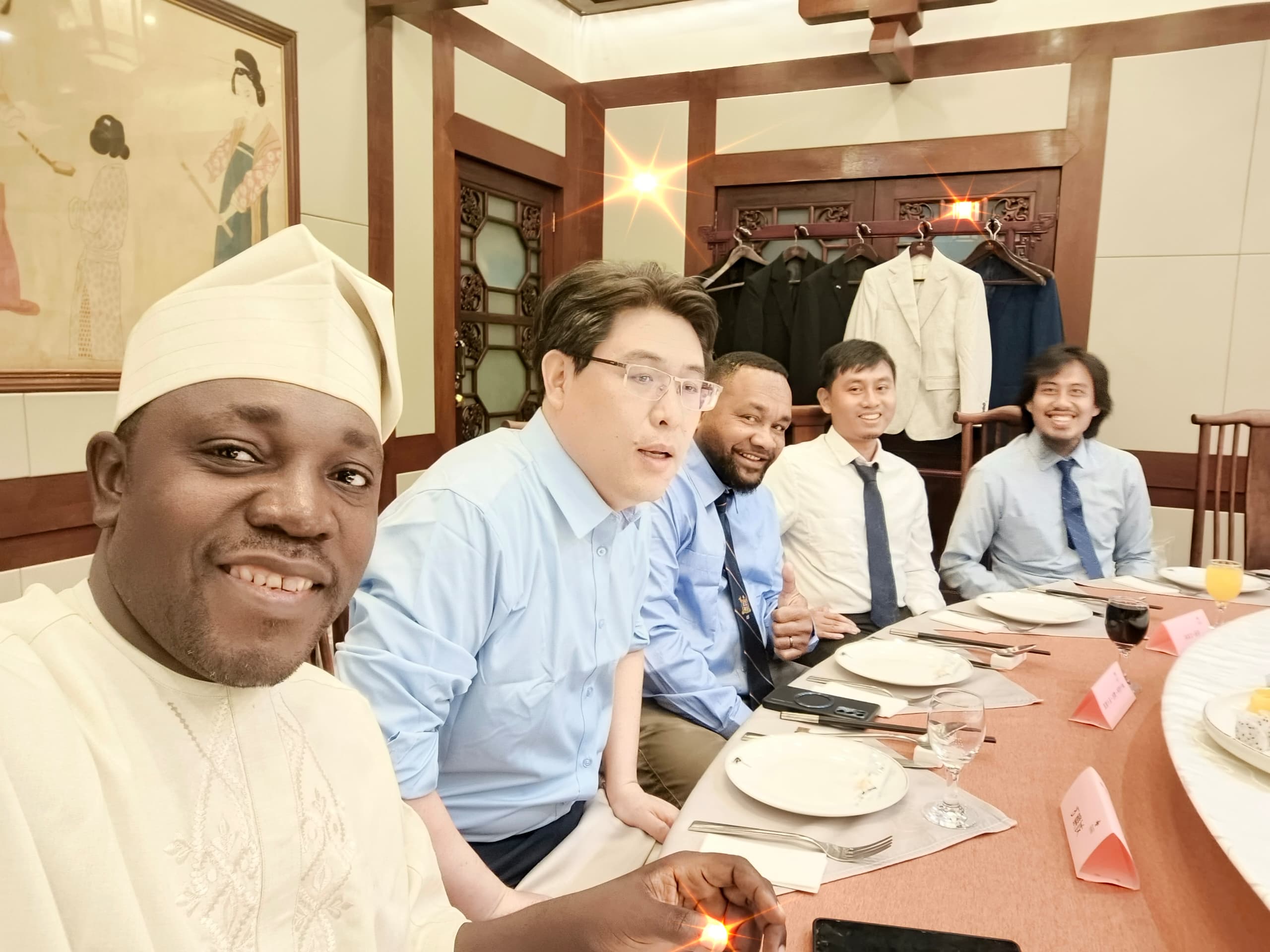
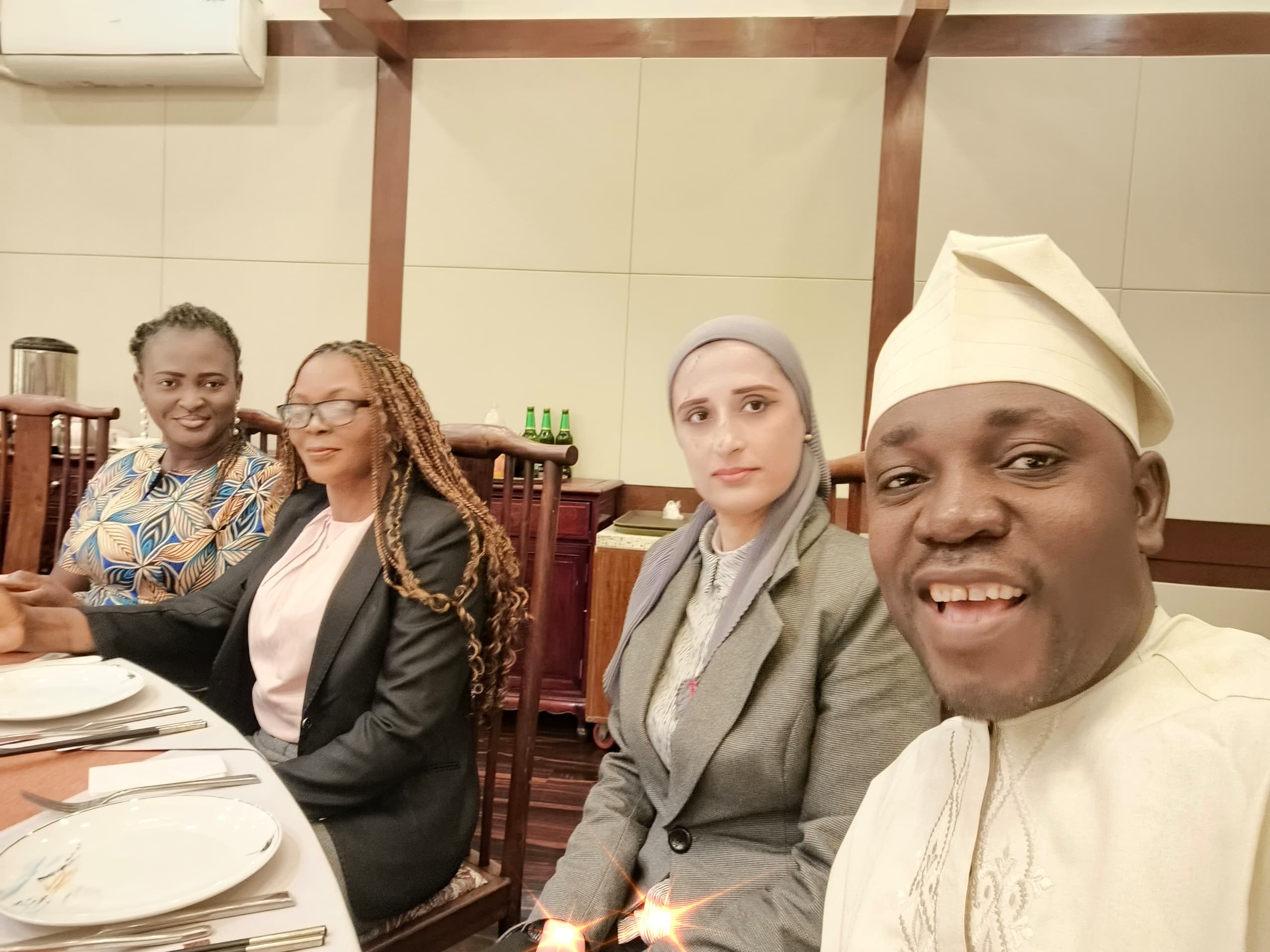
Perhaps one of the most memorable aspects of the seminar was the interaction among participants outside the formal sessions.
Hadi Arif, delivering the closing speech on behalf of participants from Egypt, Fiji, Indonesia and Nigeria, captured this dimension when he observed that the delegates had arrived with different experiences, perspectives and cultures but gradually developed friendships through shared classes, field visits, journeys, meals and conversations.
“We arrived in China with different experiences, different perspectives, and different ways of doing things,” Arif noted. “We learned from China, but just as importantly, we learned from one another. After sharing classrooms, site visits, journeys, and conversations, we leave not simply as participants from different countries—we leave as friends.”
With characteristic humour, he recalled the challenge some participants faced using chopsticks, describing successfully getting food from the plate to the mouth as a “small international achievement”.
Beyond the humour was a deeper message.
International cooperation is ultimately driven by people. Technology and policy may create the framework, but relationships, trust and mutual understanding often determine whether cooperation can develop into lasting partnerships.
The seminar therefore served two purposes: it transferred knowledge and built human connections.
A shared roadmap for Egypt, Fiji, Indonesia and Nigeria
For Egypt, the experience offers additional perspectives on digital maritime development, logistics, marine governance and international economic cooperation.
For Fiji, the programme provides opportunities to examine how digital technology and sustainable approaches can support island economies whose development is closely tied to the ocean.
For Indonesia, China’s experience in smart ports, digital maritime systems and marine-industry development offers areas for comparative learning for an extensive archipelagic economy.
For Nigeria, the seminar provides lessons relevant to port efficiency, maritime logistics, fisheries and aquaculture, coastal development, offshore activities, digital governance and blue-economy investment.
The benefits, however, extend beyond these individual national interests.
The four countries now have an additional platform for exchanging experiences among themselves, exploring areas of common interest and developing South-South cooperation.
The road ahead
The Qingdao seminar ended on 18 September, but its central conversation is unlikely to end there.
The challenge for the participating countries is how to translate the knowledge acquired into policies, projects, partnerships and measurable outcomes at home.
For Nigeria, that could mean strengthening investment in marine research, digital infrastructure, fisheries and aquaculture, maritime logistics and human-capital development.
For Fiji, Egypt and Indonesia, it could similarly mean adapting relevant lessons to their own economic and geographical realities.
China’s experience cannot simply be copied wholesale by other countries. Its greater value lies in providing practical examples from which developing countries can identify approaches that can be adapted to their own circumstances.
As the participants departed Qingdao, they carried with them more than seminar materials and certificates. They left with new knowledge, new professional relationships, a deeper understanding of China’s marine-development experience and a shared appreciation of the possibilities offered by digitalisation.
The message from the seminar was therefore both practical and forward-looking: the blue economy is no longer simply about what countries have in their oceans; it is increasingly about what they can achieve by combining marine resources with technology, innovation, sustainable governance, skills and international cooperation.
And in that emerging future, the experiences shared between China, Egypt, Fiji, Indonesia and Nigeria could provide the foundation for a new generation of partnerships across the world’s oceans.
By Ebriku John Friday JP

NIGERIA AT 66; Gov. Bago urges residents of Niger State to sustain unity, resilience, patriotism

Nigeria@66: Full text of President Tinubu’s independence day speech

China’s Digital Blue Economy: Qingdao seminar opens new frontiers for Egypt, Fiji, Indonesia and Nigeria

Citizen Journalism: Police, NUJ FCT urge responsible security reporting ahead of 2027 elections

66th Independence: FG declares Thursday public holiday

Guinea-Bissau Crush Super Eagles 3-0 in 2027 AFCON Qualifier

Tinubu Lands in Lagos After Ending Working Vacation in Paris

FCTA Approves Completion of Utako Hospital, Renovation of 14 General Hospitals

Man City Guilty of Financial Breaches Between 2009 and 2018 — Premier League

NUJ FCT Council praises AIBEN CEO Andy Elerewe for Housing, Media Support on Birthday
66th Independence: FG declares Thursday public holiday
Citizen Journalism: Police, NUJ FCT urge responsible security reporting ahead of 2027 elections
China’s Digital Blue Economy: Qingdao seminar opens new frontiers for Egypt, Fiji, Indonesia and Nigeria
Nigeria@66: Full text of President Tinubu’s independence day speech
NIGERIA AT 66; Gov. Bago urges residents of Niger State to sustain unity, resilience, patriotism
-
 National News1 day ago
66th Independence: FG declares Thursday public holiday
-
 News1 day ago
Citizen Journalism: Police, NUJ FCT urge responsible security reporting ahead of 2027 elections
-
 National News13 hours ago
Nigeria@66: Full text of President Tinubu’s independence day speech
-
 News4 hours ago
NIGERIA AT 66; Gov. Bago urges residents of Niger State to sustain unity, resilience, patriotism