
News
CSOs seeks domestic reforms for national development

By Ifeoma Nwovu
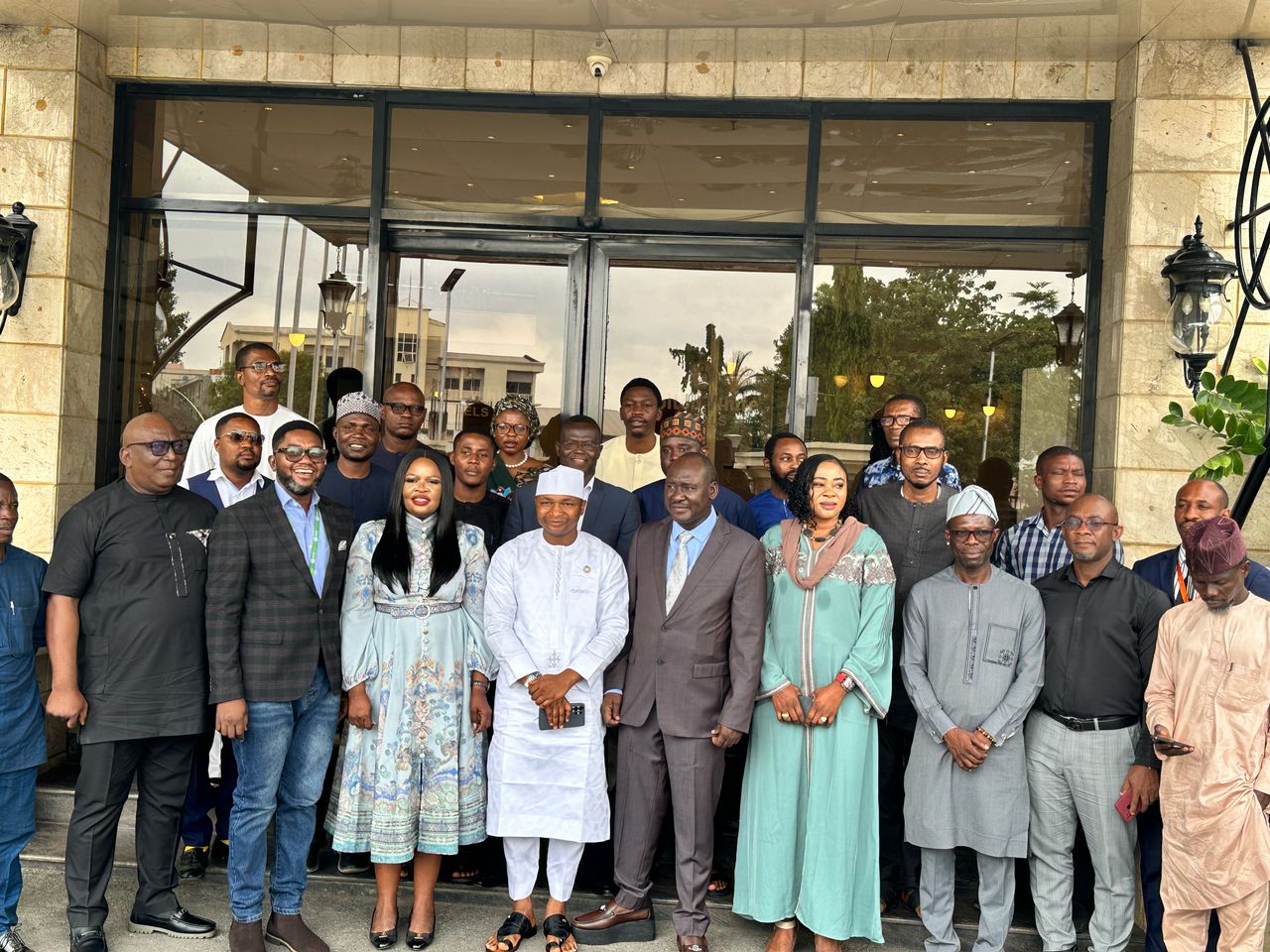
As preparations intensify for Nigeria’s participation in the Fourth International Conference on Financing for Development (FfD4), scheduled for 30 June 2025 in Seville, Spain, stakeholders and Nigerian civil society have called for stronger global actions to combat illicit financial flows, recover stolen assets, and ensure fairer, more transparent international tax and debt systems.
This call was made at a one-day consultation meeting in Abuja, where stakeholders maintained that corruption and weak public financial management systems undermine Nigeria’s ability to mobilise and utilise resources efficiently.
The call is contained in a newly released report titled “Financing for Development in Nigeria: Sectoral Context and Insights for the Fourth International Conference,” an advocacy position paper developed by the Civil Society Legislative Advocacy Centre (CISLAC), in partnership with Oxfam Nigeria and other organisations.
The Executive Director of CISLAC, Auwal Rafsanjani, who presented the report, outlined a range of policy proposals to enhance Nigeria’s financial capacity. These include adopting digital tax systems for fair taxation, simplifying trade processes to drive industrialisation, launching anti-corruption and asset recovery campaigns, and establishing development finance facilities to de-risk private investment in infrastructure and social services.
“Nigeria is also using the platform of the upcoming FfD4 to call for major reforms in the international financial architecture. The country advocates for changes to global tax rules, easier access to climate finance, and new concessional financing frameworks that reflect the needs of countries with large populations living in poverty. We urge the international community to prioritise loss and damage financing, equitable access to green investments, and reform of Special Drawing Rights (SDRs) to better support middle-income countries carrying high poverty burdens,” the report states.
Rafsanjani further noted that critical sectors such as education, health, agriculture, and climate resilience remain underfunded, while the country loses over $18 billion annually to illicit financial flows.
“As the global community gathers to renew its financing commitments, Nigeria stands ready to champion equity, accountability, and inclusion in the international financial system. The upcoming FfD4 conference presents a critical opportunity to reshape global financing and unlock the investments required for a just and resilient future,” he asserted.
He also expressed concern that most states in the country lack measurable development blueprints, making it difficult to track progress or attract meaningful investments. He stressed the need for deliberate efforts to bridge the gaps at both national and sub-national levels to position Nigeria as a leader on the global financing map.





Adesina Meets Tinubu, Says He Is Ready to Contribute to Nigeria’s Development

Uzodimma Warns Imo APC Supporters Against Working With Rainbow Coalition

Man Allegedly Poses as Lawyer for 11 Years, Arrested in Ebonyi

Cameroon Suspends Opposition Party

Tinubu Submits $20.52bn, €1.045bn Borrowing Plan to National Assembly

FG, NLC Agree on N70,000 Monthly Transport Support, 19 Months’ Health Workers’ Arrears

Bago moves to restore neglected UBEC Smart School in Niger State

Alleged Cybercrime: Sowore’s Counsel admits ignorance of evidence act, Court to rule on DSS counsel’s subpoena

Burna Boy Presents Socrates Award to Arsenal Star Bukayo Saka at Ballon d’Or Ceremony

Man, Teenage Girl Swept Away While Attempting Rescue in Aba Flood
FG, NLC Agree on N70,000 Monthly Transport Support, 19 Months’ Health Workers’ Arrears

WHO Says Nigeria Has No Active Ebola Cases After Patient’s Evacuation to Switzerland

NDC Inaugurates New National Secretariat in Abuja Ahead of 2027 Elections

Uba Sani Says APC Will Consider 25% Opposition Vote in Kaduna a Failure

Shettima Says Obi Has Nothing to Offer Nigerians Beyond ‘Dubious Statistics’
Tinubu Submits $20.52bn, €1.045bn Borrowing Plan to National Assembly

Court Orders El-Rufai to Open Defence in Alleged NSA Phone Interception Case
Cameroon Suspends Opposition Party
Man, Teenage Girl Swept Away While Attempting Rescue in Aba Flood
Burna Boy Presents Socrates Award to Arsenal Star Bukayo Saka at Ballon d’Or Ceremony
-
 National News4 hours ago
FG, NLC Agree on N70,000 Monthly Transport Support, 19 Months’ Health Workers’ Arrears
-
 National News1 day ago
WHO Says Nigeria Has No Active Ebola Cases After Patient’s Evacuation to Switzerland
-
 News1 day ago
NDC Inaugurates New National Secretariat in Abuja Ahead of 2027 Elections
-
 News1 day ago
Uba Sani Says APC Will Consider 25% Opposition Vote in Kaduna a Failure
-
 News1 day ago
Shettima Says Obi Has Nothing to Offer Nigerians Beyond ‘Dubious Statistics’
-
 National News4 hours ago
Tinubu Submits $20.52bn, €1.045bn Borrowing Plan to National Assembly
-
 News1 day ago
Court Orders El-Rufai to Open Defence in Alleged NSA Phone Interception Case
-
 National News4 hours ago
Cameroon Suspends Opposition Party