







National News
FG scraps JSS, SSS, introduces 12-year basic education model


The Federal Government has announced the scrapping of all Junior Secondary School (JSS) and Senior Secondary Schools in the country and introduced a compulsory 12-year uninterrupted basic education model after which a Nigerian child can aspire to higher education.
With this development, the Nigerian Government is seeking the abolition of 6-3-3-4 education system and replacing it with 12-4.
This is even as it has sought the approval of the National Council on Education to officially adopt 16 years as the minimum entry age requirement into the country’s tertiary institutions.
Minister of Education, Dr Tunji Alausa, revealed this on Thursday in Abuja during the 2025 extraordinary National Council on Education meeting.
The Guardian reports that the NCE is the highest policy-making body in the education sector.
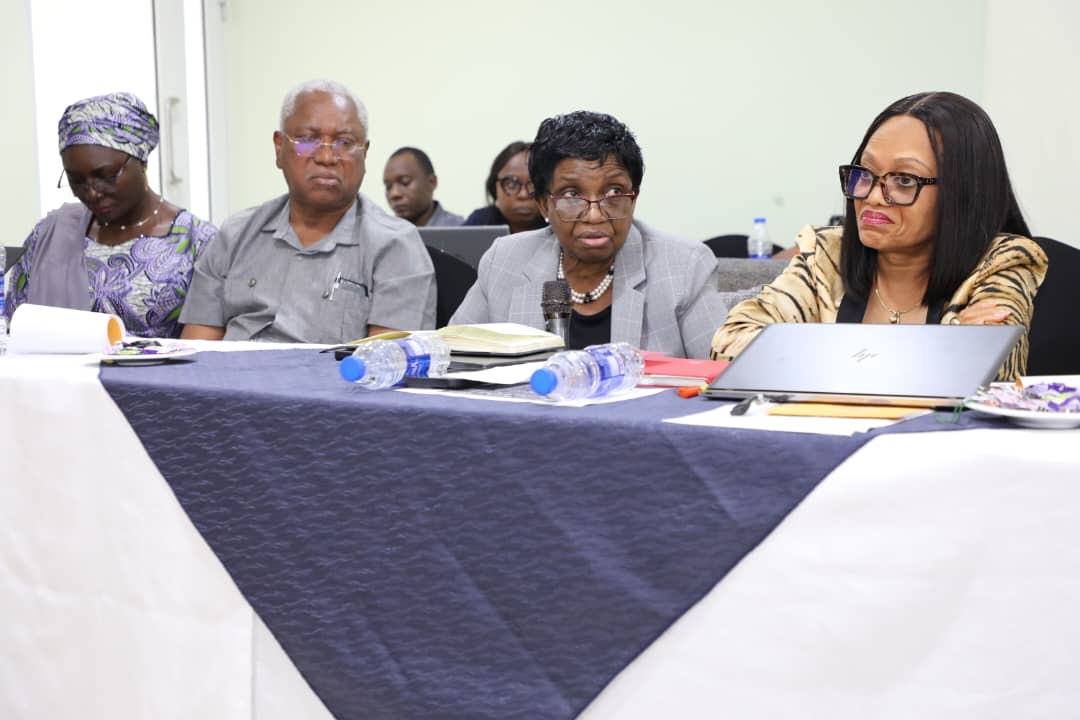
The event was graced by commissioners for education in the 36 states and the Federal Capital Territory (FCT), agencies and parastatals under the Ministry, and development partners.
According to the Minister, by subsuming secondary education into basic education, students will benefit from uninterrupted learning up to the age of 16.
Alausa said the new policy is in line with global best practices.
The reform, he stressed, will also reduce dropout rates by eliminating financial and systemic barriers that currently prevent students from completing secondary education.
“Extending basic education to 12 years will ensure a standardized curriculum that is uniformly implemented across the nation,” Alausa said.
“This will also facilitate early exposure to vocational and entrepreneurial skills, preparing students for both higher education and employment.
“Many developed nations have implemented similar systems where basic education spans 12 years, ensuring that students acquire foundational knowledge before specializing at tertiary levels.
“This reform also aligns Nigeria’s education system with international standards, fostering better educational outcomes and global competitiveness.”
He said it will also lead to economic and social impact, adding that “Educated youth contribute significantly to national development.
“When students receive an extended period of compulsory education, they are better equipped to join the workforce with relevant skills. This reform will also reduce child labor and other social vices resulting from premature school dropouts.”
He highlighted the implementation strategies to successfully integrate secondary education into basic education to include: policy reforms, infrastructure expansion, teacher training and recruitment, funding and partnerships, curriculum enhancement
Culled from The Guardian








National News2 hours ago
BREAKING: ADC leaders, members protest in Abuja over alleged INEC partisanship

World News3 hours ago
Iran to reopen Strait of Hormuz if US, Israel halt strikes

News19 hours ago
Storm wrecks Kugbo bus terminal months after commissioning, triggers Abuja gridlock

News19 hours ago
ADC Crisis deepens as Kachikwu’s faction backs INEC, disowns Mark, Gombe

News19 hours ago
Police must uphold integrity, Disu charges officers at National Police Day

Entertainment19 hours ago
Cancer survivor accuses Blessing CEO of using altered medical report without consent

News19 hours ago
Passion of Christ actor killed by firework during church rehearsal in Cross River

FCT News19 hours ago
FCT Minister orders arrest of developer, seizure of land after Abuja hotel collapse

News22 hours ago
NAFDAC moves to cut salt in foods as Nigeria battles rising hypertension cases

News1 day ago
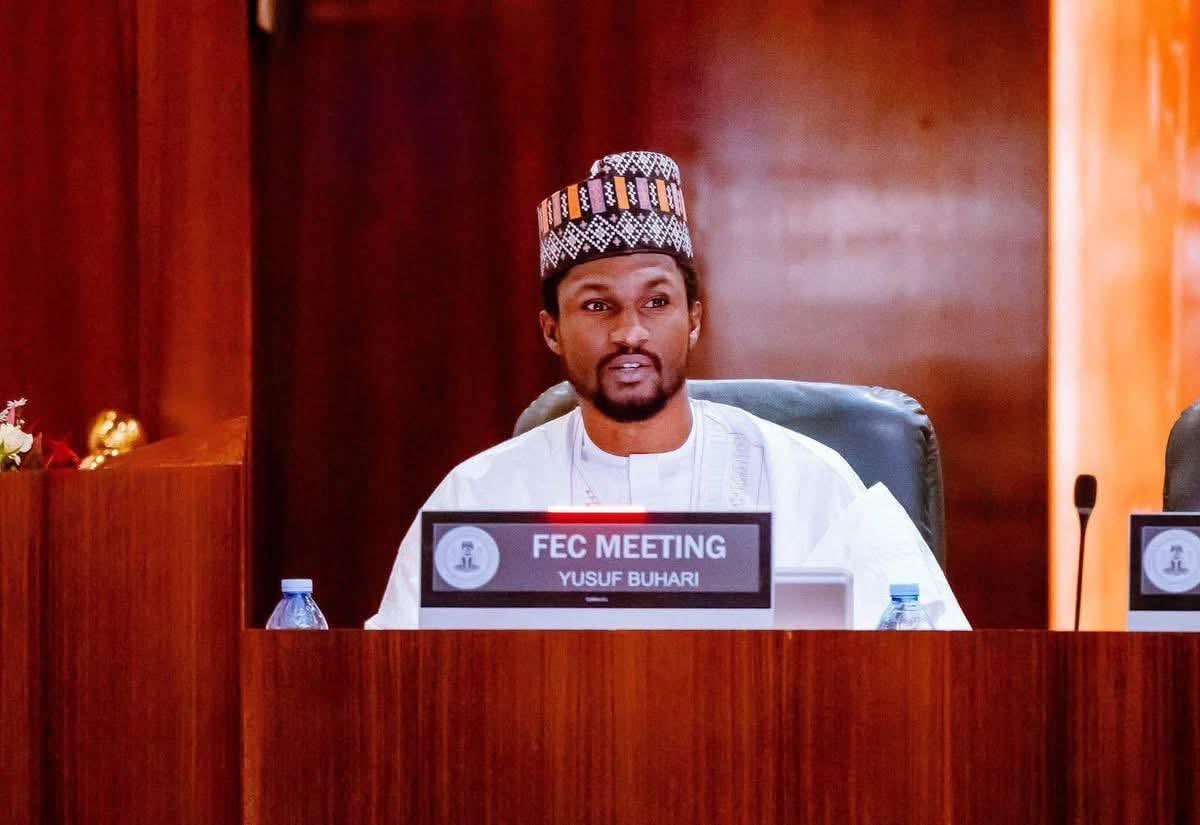
Yusuf Buhari declares 2027 House of Representatives bid

News2 days ago
Cleric distributes rice to members at Easter, preaches love

News2 days ago
Easter: NSIFT boss Faleye felicitates staff, commends dedication to duty

News1 day ago
BREAKING: Kebbi Assembly Speaker Muhammad Zuru dies after illness in Egypt
FCT News19 hours ago
FCT Minister orders arrest of developer, seizure of land after Abuja hotel collapse
News19 hours ago
Passion of Christ actor killed by firework during church rehearsal in Cross River
News1 day ago
Yusuf Buhari declares 2027 House of Representatives bid
Entertainment19 hours ago
Cancer survivor accuses Blessing CEO of using altered medical report without consent

News2 days ago
ADC raises alarm over INEC stance, warns of possible exclusion from 2027 elections

World News1 day ago
Artemis 2 crew sets new human distance record from earth on historic Lunar Flyby
News19 hours ago
Police must uphold integrity, Disu charges officers at National Police Day
-
 News2 days ago
Cleric distributes rice to members at Easter, preaches love
-
 News2 days ago
Easter: NSIFT boss Faleye felicitates staff, commends dedication to duty
-
 News1 day ago
BREAKING: Kebbi Assembly Speaker Muhammad Zuru dies after illness in Egypt
-
 FCT News19 hours ago
FCT Minister orders arrest of developer, seizure of land after Abuja hotel collapse
-
 News19 hours ago
Passion of Christ actor killed by firework during church rehearsal in Cross River
-
 News1 day ago
Yusuf Buhari declares 2027 House of Representatives bid
-
 Entertainment19 hours ago
Cancer survivor accuses Blessing CEO of using altered medical report without consent
-
 News2 days ago
ADC raises alarm over INEC stance, warns of possible exclusion from 2027 elections