
National News
FG to Nigerians: Expect increase in electricity tariffs soon

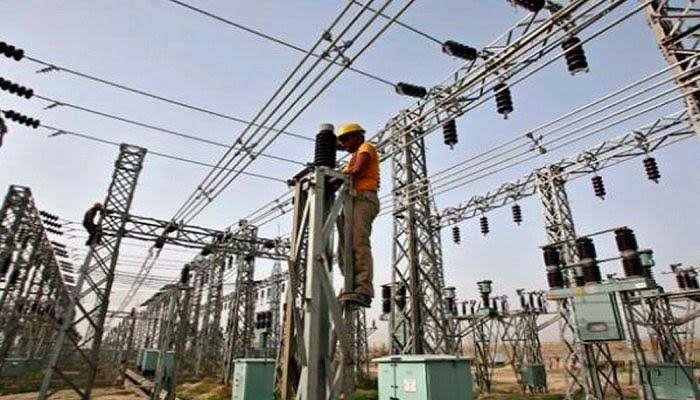
The Federal Government has urged Nigerians to brace up for fresh electricity tariffs within months.
President Bola Tinubu’s Special Adviser on Energy, Olu Verheijen, said in an interview in Dar es Salaam, Tanzania, according to Bloomberg.
Verheijen was in Tanzania attending a World Bank-backed conference where Nigeria presented a $32 billion plan to boost electricity connections by 2030. Private investors are expected to contribute $15.5 billion and the rest will come from public sources, including the World Bank and African Development Bank.
The energy adviser said Nigeria’s power prices need to rise by about two thirds for many customers to reflect the cost of supplying it.
Higher electricity tariffs, which need to be balanced by subsidies for less-affluent consumers, are required to fund the maintenance needed to improve reliability and to attract private investors into power generation and transmission, said Verheijen.
“One of the key challenges we’re looking to resolve over the next few months is transitioning to a cost-efficient but cost-reflective tariff,” Verheijen said.
This is needed “so the sector generates revenue required to attract private capital, while also protecting the poor and vulnerable,” she said.
The move to raise tariffs comes amid mounting pressure from Nigeria’s debt-burdened electricity distribution companies for tariffs to be cost-reflective so they can improve their finances.
Nigeria’s privatised generation and distribution in 2013, yet prices set by the government’s Nigeria Electricity Regulatory Commission don’t cover the suppliers’ costs. Government subsidies cover some of the difference, but profitability is hard to achieve.
Nigeria’s power industry needs significant investment to achieve its development aims, Verheijen said. Of the country’s 14 gigawatts of installed power, only 8 gigawatts can be transmitted around the country and just four or five gigawatts can be directly delived to homes and businesses, she said.
Siemens AG is working with the government on a $2.3 billion project to improve transmission and distribution, while more than 7 million Nigerians in rural areas have been given access to power via decentralized renewable projects.
“Your energy policies have to be closely linked with your own ambition for your country,” Verheijen said.“ Our own ambition is to be a $1 trillion economy in five years and to move to an upper-middle income country in 25 years.”
Nigeria’s gross domestic product is currently just under $200 billion, according to the International Monetary Fund.



2027: Remi Tinubu Appeals to South-East Voters to Re-elect Husband

Benue Police Arrest 46 Over Alleged Obstruction of Peter Obi’s Movement

Lagos-Ibadan Expressway: Kara Bridge Repairs Trigger Heavy Gridlock

Charismatic Bishops Conference Backs Tinubu for Second Term in 2027

TCN Announces Fresh Power Outage in Parts of Abuja After Transformer Trips

NDC Legislators Demand Probe of Reported Blockade of Peter Obi in Benue

Peter Obi Arrives Jos for Solidarity Visit to Mangu Attack Victims

Bandits Kill Two, Abduct 26 in Kaduna Communities

NUJ FCT Raises N5.01m Trust Fund for Late Chairman’s Children

FG Automates Academic Certificate Evaluation, Authentication, Ends Physical Visits

Tension in The Gambia as Thousands Protest Power Blackouts, Chant ‘Barrow Must Go’
Peter Obi’s Convoy Allegedly Attacked by Thugs in Benue

Alia Govt: We Didn’t Know Peter Obi Was Coming to Benue

Kenya Gives Foreign Workers 90 Days to Regularise Status After Ruto’s Small Business Order

2026 Ballon d’Or: Messi, Dembélé, Mbappé, Yamal, Haaland Make 30-Man Shortlist
FG Automates Academic Certificate Evaluation, Authentication, Ends Physical Visits
NUJ FCT Raises N5.01m Trust Fund for Late Chairman’s Children
Peter Obi Arrives Jos for Solidarity Visit to Mangu Attack Victims
Lagos-Ibadan Expressway: Kara Bridge Repairs Trigger Heavy Gridlock
NDC Legislators Demand Probe of Reported Blockade of Peter Obi in Benue
-
 News2 days ago
Tension in The Gambia as Thousands Protest Power Blackouts, Chant ‘Barrow Must Go’
-
 News2 days ago
Peter Obi’s Convoy Allegedly Attacked by Thugs in Benue
-
 News2 days ago
Alia Govt: We Didn’t Know Peter Obi Was Coming to Benue
-
 World News2 days ago
Kenya Gives Foreign Workers 90 Days to Regularise Status After Ruto’s Small Business Order
-
 Sports2 days ago
2026 Ballon d’Or: Messi, Dembélé, Mbappé, Yamal, Haaland Make 30-Man Shortlist
-
 National News2 days ago
FG Automates Academic Certificate Evaluation, Authentication, Ends Physical Visits
-
 News2 days ago
Peter Obi Arrives Jos for Solidarity Visit to Mangu Attack Victims
-
 NUJ FCT2 days ago
NUJ FCT Raises N5.01m Trust Fund for Late Chairman’s Children