


World News
Namibia to tackle 88% urban informal settlements — Sankwasa

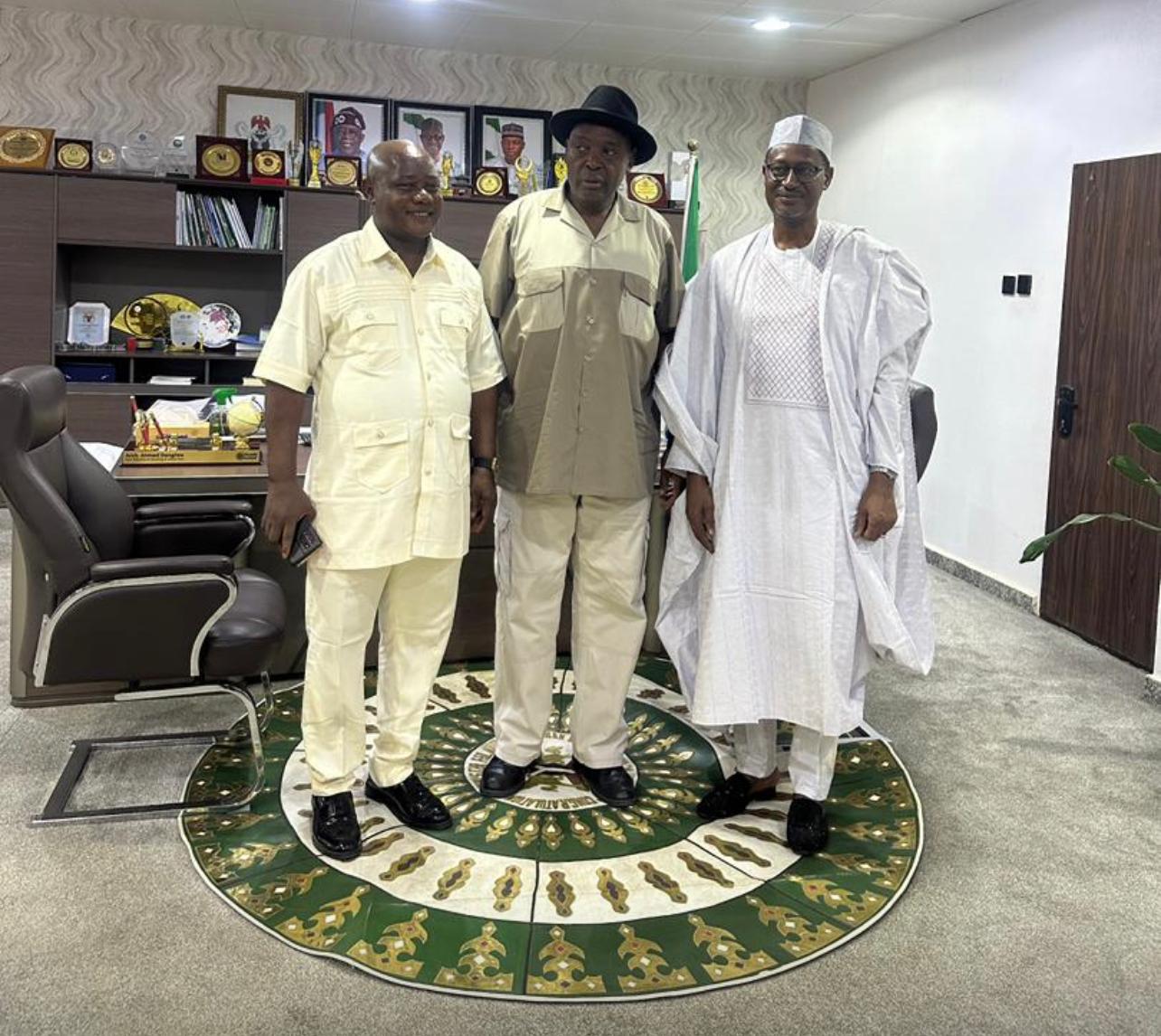
Namibia’s Minister of Urban and Rural Development, James Sankwasa, has disclosed that about 88 per cent of urban residents in the country currently live in informal settlements, describing the situation as one of the major inherited housing challenges confronting the government.
Sankwasa made the disclosure at the weekend during the Africa Housing Awards and industry end-of-year dinner organised by the Africa International Housing Show (AIHS), where he outlined ongoing efforts by the Namibian government to address the housing deficit.
According to the minister, the scale of the problem makes it impossible for government alone to provide housing solutions, necessitating partnerships with the private sector and innovative policy reforms. He said Namibia has embarked on aggressive upgrades of sanitation, water and road infrastructure in informal settlements, alongside policy measures that allow civil servants to access their pension contributions to build homes.
Sankwasa, who received the Minister for Housing of the Year 2025 award, said Africa had reached a stage where it must begin to acknowledge and celebrate its own development efforts, stressing that sustainable housing challenges on the continent require homegrown solutions.
“Africa’s problems should be solved with African solutions,” he said.
Also speaking at the event, Nigeria’s Minister of Housing and Urban Development, Arc Ahmed Musa Dangiwa, said the Federal Government is addressing Nigeria’s housing deficit through a structured urban renewal and slum-upgrade programme under President Bola Ahmed Tinubu’s Renewed Hope Agenda.
Dangiwa noted that housing could no longer be treated as a peripheral issue, describing it as central to economic growth, social stability, urban resilience and human dignity.
He said across Africa, about 54 million people currently live in urban slums, while the continent faces a housing shortfall of at least 50 million units with a financing gap estimated at over $1.4 trillion. He warned that Africa’s housing deficit could rise to about 130 million units by 2030 if solutions are not accelerated.
Commending the organisers, the minister described the Africa International Housing Show and awards as platforms for sustained advocacy, accountability and policy focus, rather than isolated ceremonies.
Speaking on Nigeria’s progress, Dangiwa said the country’s housing deficit is conservatively estimated at over 17 million units, adding that the Federal Government has commenced over 10,000 housing units across 14 states and the Federal Capital Territory in the last two years. He also said urban renewal and slum-upgrade programmes have impacted more than 150 communities nationwide.
He stressed that no country can solve its housing challenges alone, calling for a continental approach anchored on land governance reforms, bankable housing finance, strong local building materials value chains, climate-smart construction and disciplined urban planning.
“The African housing agenda must be treated as a continental productivity agenda,” Dangiwa said, pledging Nigeria’s commitment to reforms, partnerships and cross-border cooperation.
Earlier, Chief Executive Officer and Convener of AIHS, Barrister Festus Adebayo, said the housing and construction sector remains a major driver of growth, job creation and national development across Africa. He reiterated a zero-tolerance stance against scammers and unethical practices in the industry.
Adebayo said the Africa Housing Awards were created to recognise innovation, leadership and integrity in the sector, while promoting professionalism and accountability. He added that AIHS is collaborating with the National Assembly, Federal Capital Territory Administration, Federal Ministry of Housing, Lagos State Government and other regulatory agencies to strengthen regulations in line with global best practices.
Also speaking, Chairperson of the Nigeria Union of Journalists (NUJ), FCT Council, Grace Ike, appealed to the Federal Government to fulfil its promise of a journalists’ village in Abuja, noting that access to decent housing would enhance ethical reporting, peace-building and nation-building.
The event attracted government officials, developers, financiers and industry stakeholders from across Africa, who reviewed progress, shared experiences and explored solutions to the continent’s housing challenges.








News1 hour ago
Makinde holds PDP stakeholders meeting ahead of 2027 elections

World News1 hour ago
Iran says it received U.S. messages on ending war

News2 hours ago
DSS storms Malami’s Abuja residence after Atiku’s visit

News3 hours ago
One killed, others injured as IED explosion hits Kwara community

News3 hours ago
FG set to launch HIV prevention injection as 52,000 doses arrive

News4 hours ago
ICPC to arraign El-Rufai over alleged d fraud, money laundering charges

News9 hours ago
BREAKING: Former Acting Accountant-General sentenced to 72 Years for N868 Million fraud

News11 hours ago
Rising oil prices boost Nigeria’s fiscal space, says Gov. Otti

National News11 hours ago
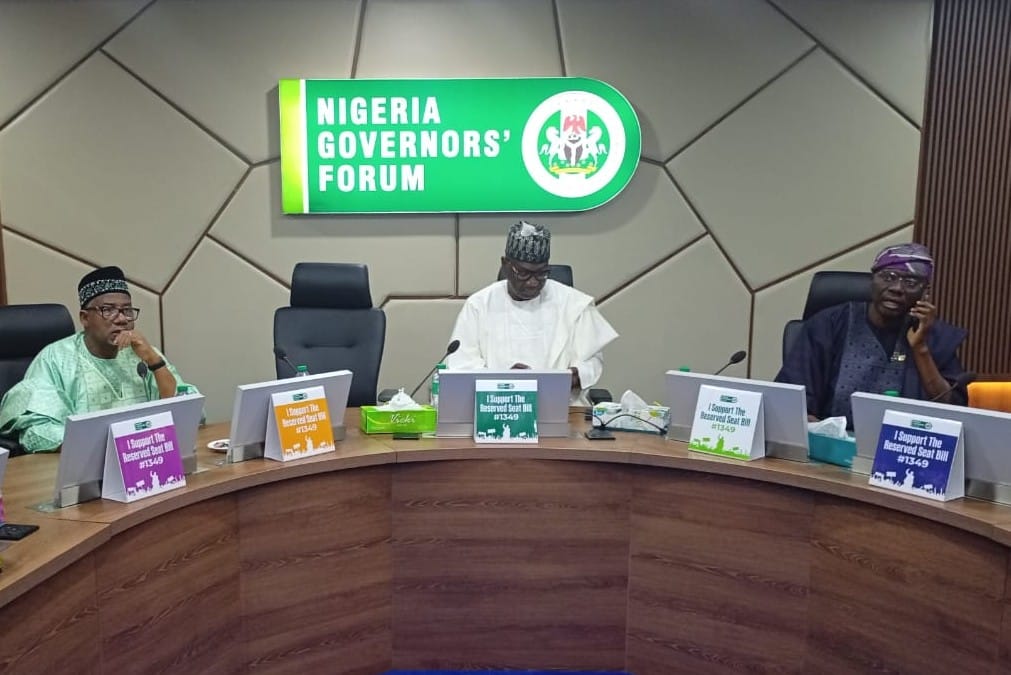
NGF submits State Police framework to NSA, eyes National Assembly review

News11 hours ago
Nigerian Army neutralises dozens of bandits in Bello Turji’s camp

News11 hours ago
Police promise justice as 16 arrested over Ozoro festival violence

National News11 hours ago
Restructuring: Police clarify IGP directive, deny disbandment of tactical units

National News24 hours ago
FG to scrap Common Entrance, introduce Learner ID for pupils
News11 hours ago
Nigerian Army neutralises dozens of bandits in Bello Turji’s camp

News24 hours ago
Panic in Kwara as gunmen invade Church, kidnap worshippers

World News11 hours ago
Israel-Iran conflict deepens as global energy crisis worsens

National News24 hours ago
Nigeria to get equipment, training support from France — Tinubu
National News11 hours ago
NGF submits State Police framework to NSA, eyes National Assembly review
News9 hours ago
BREAKING: Former Acting Accountant-General sentenced to 72 Years for N868 Million fraud

Sports24 hours ago
Manchester City beat Arsenal 2-0 to win League Cup at Wembley
-
 News11 hours ago
Police promise justice as 16 arrested over Ozoro festival violence
-
 National News11 hours ago
Restructuring: Police clarify IGP directive, deny disbandment of tactical units
-
 National News24 hours ago
FG to scrap Common Entrance, introduce Learner ID for pupils
-
 News11 hours ago
Nigerian Army neutralises dozens of bandits in Bello Turji’s camp
-
 News24 hours ago
Panic in Kwara as gunmen invade Church, kidnap worshippers
-
 World News11 hours ago
Israel-Iran conflict deepens as global energy crisis worsens
-
 National News24 hours ago
Nigeria to get equipment, training support from France — Tinubu
-
 National News11 hours ago
NGF submits State Police framework to NSA, eyes National Assembly review