
National News
Electoral Act: E-Transmission supportive, not substitutive — Tinubu

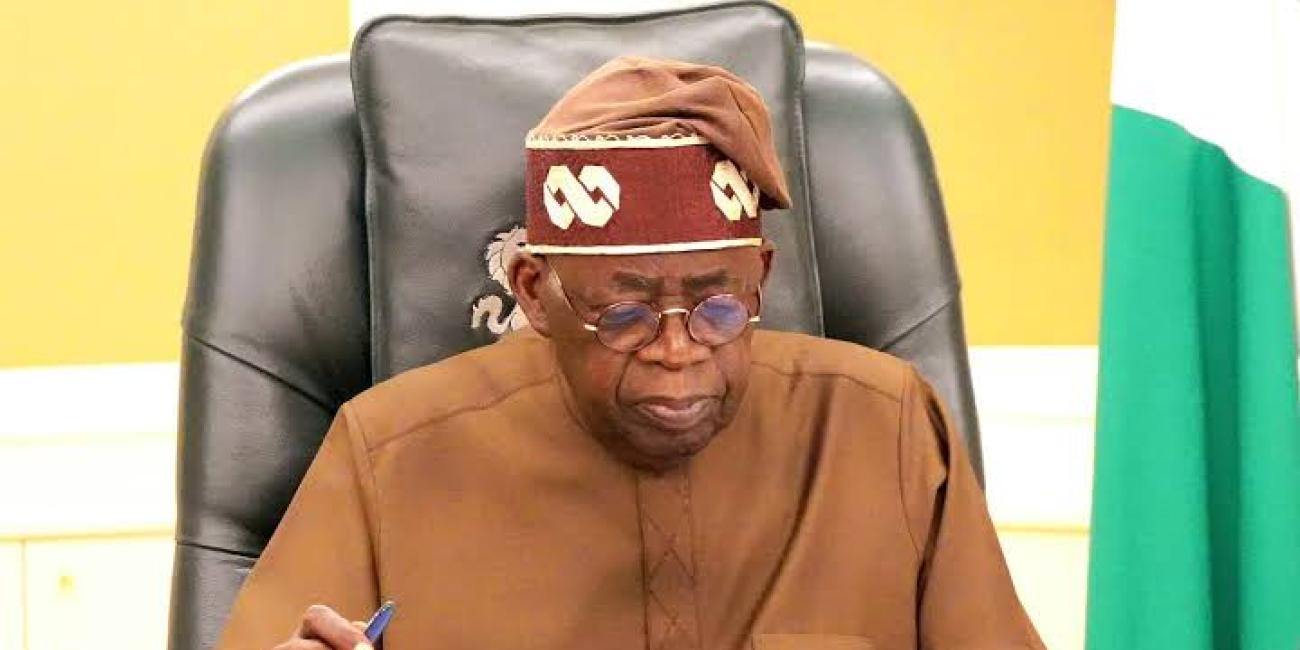
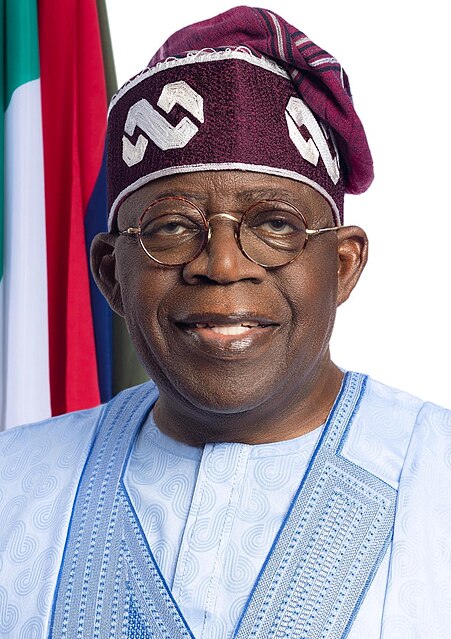
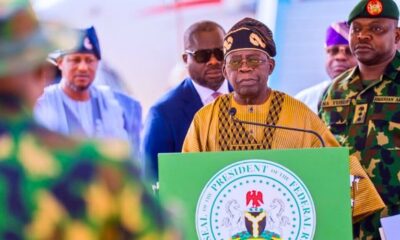
President Bola Tinubu on Wednesday signed into law the Electoral Act (Amendment) 2026, affirming that electronic transmission of election results will remain a supportive mechanism and not a replacement for manual voting and collation.
The signing ceremony, held at about 5:00 p.m. at the Presidential Villa in Abuja, was attended by principal officers of the National Assembly. The development comes just days after the Independent National Electoral Commission (INEC) unveiled the timetable for the 2027 general elections.
The National Assembly had passed the amendment bill on Tuesday after weeks of intense public debate over whether electronic transmission should be made mandatory and binding. Civil society organisations and opposition figures had mounted sustained pressure on lawmakers, insisting that only real-time electronic transmission of results from polling units to INEC’s central server could curb manipulation and restore public confidence.
Despite the agitation, Tinubu made it clear that while technology will play an important role, elections remain fundamentally human-driven processes.
> “I followed keenly what you were doing. The essence of democracy is to have very solid brainstorming discussions committed to national development and nation-building and the stability of the nation,” the President said.
He emphasised that the reforms are intended to prevent voter disenfranchisement and ensure electoral stability.
> “What is crucial is that you manage the process to the extent that there will be no confusion and no disenfranchisement of Nigerians, and we are all going to see democracy flourish.”
According to the President, manual voting and counting remain the backbone of Nigeria’s electoral framework, with electronic transmission serving as a complementary support tool.
> “No matter how good a system is, it is managed by people, promoted by people and finalised by people. You are not going to be talking to a computer; you are going to be talking to human beings who announce the results,” Tinubu stated.
> “Essentially, what we are looking at is the transmission of manual results, and we must avoid glitches. Nigeria will flourish and continue to nurture this democracy for prosperity and stability.”
The controversy over electronic transmission has been one of the most contentious issues in Nigeria’s electoral reform discourse since the 2023 general elections, with critics arguing that manual collation leaves room for interference and result alteration.
Supporters of mandatory real-time transmission maintain that it would reduce human interference, eliminate discrepancies during collation, and strengthen the credibility of election outcomes.
Under the 2027 timetable announced by INEC, Presidential and National Assembly elections are scheduled for February 20, 2027, while Governorship and State Houses of Assembly elections will follow on March 6, 2027.
With preparations intensifying, political stakeholders, civil society groups, and opposition parties are expected to closely scrutinise INEC’s readiness and the implementation of the amended law.











Chinese Ambassador Outlines Four-Point Plan for China-Africa Mining Cooperation

2027: Cross River APC names Stephen Odey DG of campaign

NSA Directorate seeks NUJ partnership to curb misinformation, protect critical infrastructure

AFP to storm Made By Design Expo 2026 with new designs

Peller announces plans to host Wole Soyinka on livestream

Indonesia seeks Nigerian investment in renewable energy, manufacturing, agriculture

UBEC warns states as $552m Education programme targets 29 Million children

IMF urges Nigeria to reject broad petrol subsidy, recommends targeted relief

Atiku accuses Tinubu of making life expensive, promises affordable living

Zenith Bank Champions Girl-child Empowerment, Equips 300 Schoolgirls For The Future
IMF urges Nigeria to reject broad petrol subsidy, recommends targeted relief
UBEC warns states as $552m Education programme targets 29 Million children
Indonesia seeks Nigerian investment in renewable energy, manufacturing, agriculture
Zenith Bank Champions Girl-child Empowerment, Equips 300 Schoolgirls For The Future

N101m Judgment Debt: SERAP appeal returned for reassignment as Lawyers withdraw applications
Atiku accuses Tinubu of making life expensive, promises affordable living
Peller announces plans to host Wole Soyinka on livestream
AFP to storm Made By Design Expo 2026 with new designs
NSA Directorate seeks NUJ partnership to curb misinformation, protect critical infrastructure
2027: Cross River APC names Stephen Odey DG of campaign
-
 News1 day ago
IMF urges Nigeria to reject broad petrol subsidy, recommends targeted relief
-
 News1 day ago
UBEC warns states as $552m Education programme targets 29 Million children
-
 National News1 day ago
Indonesia seeks Nigerian investment in renewable energy, manufacturing, agriculture
-
 Business1 day ago
Zenith Bank Champions Girl-child Empowerment, Equips 300 Schoolgirls For The Future
-
 News2 days ago
N101m Judgment Debt: SERAP appeal returned for reassignment as Lawyers withdraw applications
-
 News1 day ago
Atiku accuses Tinubu of making life expensive, promises affordable living
-
 Entertainment1 day ago
Peller announces plans to host Wole Soyinka on livestream
-
 News1 day ago
AFP to storm Made By Design Expo 2026 with new designs