



Metro
A Walk Through Abuja Markets: The Heartbeat of Nigeria’s Capital

Abuja, the Federal Capital Territory of Nigeria, is celebrated for its modern architecture, meticulously planned layout, and political importance. However, beneath its polished exterior lies a vibrant network of markets that reflect the daily hustle and energy of its residents. Exploring these markets offers more than just a shopping experience—it provides a glimpse into the pulsating soul of the city.
Wuse Market: The Shopper’s Paradise
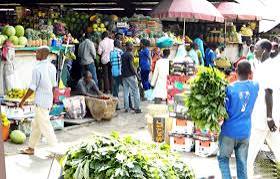
Wuse Market, located in the heart of Abuja, epitomises Nigerian commerce. As you step into the market, the air buzzes with the sound of negotiations. Traders, dressed in vibrant Ankara fabrics, sell everything from fresh produce to second-hand clothes and electronics.
Maryam Musa, who has been selling vegetables at Wuse Market for over a decade, shared her perspective: “This market is where people from different walks of life meet. Even if you’re not buying, you’ll enjoy the energy here,” she said with a smile.
Prices are negotiable, so bargaining is an essential skill for shoppers. A basket of tomatoes, for instance, might be initially priced at ₦4,000, but with persistence, you could get it for ₦3,500.
Garki International Market: A Taste of the Exotic
Located in Garki District, this market boasts a unique blend of local and international products. It is particularly renowned for its well-stocked supermarkets and boutique stores, which sit alongside traditional market stalls.
Visitors come not only to shop but to indulge in the sensory delights on offer. The aroma of freshly prepared suya (spiced grilled meat) and akara (bean cakes) fills the air, tempting passers-by to pause for a taste. “You can’t walk through Garki Market without tasting something,” said Chukwudi Eze, a regular shopper.
Utako Market: A Hub for Fresh Produce
For those seeking the freshest fruits and vegetables, Utako Market is unparalleled. Farmers from neighbouring states such as Nasarawa and Benue bring their produce here, ensuring a wide variety of fresh goods.
“I love the variety at Utako Market,” remarked Grace Akinwale, a chef and resident of Abuja. “You’ll find all sorts of fruits like mangoes, oranges, and pawpaw at very affordable prices compared to supermarkets.”
The market’s open layout, however, can be overwhelming for first-time visitors. Vendors compete for attention, calling out prices and showcasing their wares. The atmosphere is chaotic yet undeniably charming.
Dei-Dei Building Materials Market: Beyond Groceries
Abuja’s markets aren’t solely focused on food and fashion. Dei-Dei Market, located on the outskirts of the city, caters to builders and contractors. This sprawling market is a haven for construction materials, offering everything from cement and steel to tiles and plumbing fixtures.
“It’s a market where deals happen,” said Ahmed Adamu, a contractor. “You can negotiate directly with suppliers and save costs on bulk purchases.”
Karu Market: A Community Affair
Although smaller than its counterparts, Karu Market possesses its own unique charm. Situated near the border between Abuja and Nasarawa State, it serves as a hub for local farmers and artisans.
The market is especially lively on Saturdays, when a weekly open-air bazaar is held. Visitors can discover handcrafted items, traditional medicines, and locally made pottery.
Challenges Facing Abuja Markets
Despite their vibrancy, Abuja’s markets face significant challenges. Inadequate waste management and rising shop rental costs threaten their sustainability.
Abuja’s markets are more than just places for buying and selling—they are melting pots of culture and tradition. Each market mirrors the diversity of Nigeria, with traders and customers from various ethnic groups coming together in a shared pursuit of livelihood.
For visitors, these markets offer an authentic experience that contrasts sharply with the city’s polished governmental quarters. Whether you’re bargaining in Wuse, sampling suya in Garki, or exploring handmade crafts in Karu, there is always something new to discover.
As Musa aptly said, “The markets are where Abuja truly comes alive.”






News5 hours ago
NUJ FCT charges new SOPTCAM executives to raise standards, embrace digital innovation

News11 hours ago
FCT Police Commissioner’s son, Ahmed Sharafadeen Sanusi, weds in Katsina

News11 hours ago
Projects, performance, and people: Obi Aguocha’s re-Election argument

News11 hours ago
Nigeria Police Force to strengthen Complaint Response Unit, boost media engagement

National News1 day ago
NGF commends Tinubu over expansion of Nigerian Army

Sports1 day ago
CAS fixes October 8 hearing in Senegal’s challenge to Morocco’s 2025 AFCON title

World News1 day ago
Nigeria, Seven African Nations hit with 12.5% US tariff

National News1 day ago
No kobo was released to controversial investment Council, Budget Office DG Tells Reps

Sports1 day ago
Ezuruike claims Silver to hand Nigeria first Commonwealth Games medal
National News2 days ago
Tinubu approves expansion of Nigerian Army to 12 Divisions, authorises recruitment of 28,000 personnel
Sports1 day ago
Ezuruike claims Silver to hand Nigeria first Commonwealth Games medal
National News1 day ago
No kobo was released to controversial investment Council, Budget Office DG Tells Reps
World News1 day ago
Nigeria, Seven African Nations hit with 12.5% US tariff
Sports1 day ago
CAS fixes October 8 hearing in Senegal’s challenge to Morocco’s 2025 AFCON title
National News1 day ago
NGF commends Tinubu over expansion of Nigerian Army
News11 hours ago
Nigeria Police Force to strengthen Complaint Response Unit, boost media engagement
News11 hours ago
Projects, performance, and people: Obi Aguocha’s re-Election argument
News11 hours ago
FCT Police Commissioner’s son, Ahmed Sharafadeen Sanusi, weds in Katsina
News5 hours ago
NUJ FCT charges new SOPTCAM executives to raise standards, embrace digital innovation
-
 Sports1 day ago
Ezuruike claims Silver to hand Nigeria first Commonwealth Games medal
-
 National News1 day ago
No kobo was released to controversial investment Council, Budget Office DG Tells Reps
-
 World News1 day ago
Nigeria, Seven African Nations hit with 12.5% US tariff
-
 Sports1 day ago
CAS fixes October 8 hearing in Senegal’s challenge to Morocco’s 2025 AFCON title
-
 National News1 day ago
NGF commends Tinubu over expansion of Nigerian Army
-
 News11 hours ago
Nigeria Police Force to strengthen Complaint Response Unit, boost media engagement
-
 News11 hours ago
Projects, performance, and people: Obi Aguocha’s re-Election argument
-
 News11 hours ago
FCT Police Commissioner’s son, Ahmed Sharafadeen Sanusi, weds in Katsina