

Business
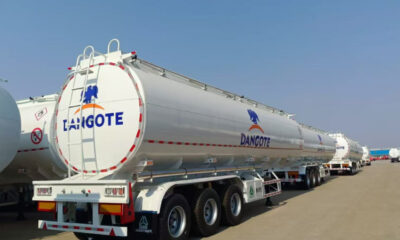
Dangote predicts Naira could strengthen to N1,100/$ in 2026

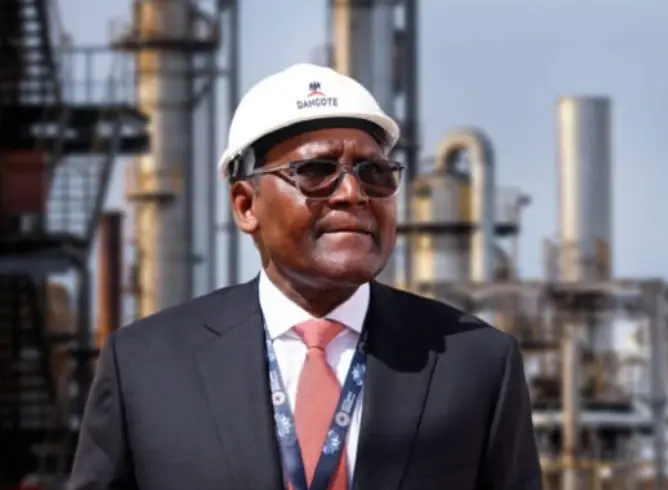
Chairman of the Dangote Group, Aliko Dangote, has projected a significant appreciation of the naira, saying the currency could strengthen to about N1,100 to the dollar this year if current government reforms continue.
Dangote made the remarks on Tuesday during the launch of the Nigeria Industrial Policy in Abuja, attended by Vice President Kashim Shettima and other dignitaries, according to Channels Television.
Although the naira currently trades around N1,300–N1,340 to the dollar, Dangote said policy measures aimed at curbing import dependence are beginning to yield positive results for manufacturers.
> “With what I know, by blocking all this importation, the currency this year will be as low as N1,100 if we are lucky,” he said.
He described the situation as a “catch-22,” noting that while a stronger naira would reduce import costs and overall prices, Nigeria’s heavy reliance on imports remains a structural weakness. He stressed the need to prioritise domestic manufacturing to reduce pressure on foreign exchange.
Dangote also called for stronger government support for local investors through improved infrastructure and targeted incentives, highlighting electricity supply as a major challenge affecting industrial productivity.
Otedola Sees Even Stronger Naira
Separately, businessman Femi Otedola expressed optimism that the naira could trade below N1,000 to the dollar before the end of 2026. He linked this outlook to the Dangote Petroleum Refinery reaching its full production capacity of 650,000 barrels per day.
Otedola described the refinery’s operations as “transformational,” noting its capacity to supply up to 75 million litres of Premium Motor Spirit daily, a development he said would significantly reduce fuel imports and conserve foreign exchange.

Both business leaders’ projections reflect growing confidence in industrial and energy-sector reforms, though currency performance will ultimately depend on broader macroeconomic stability, foreign exchange supply, and sustained policy implementation.









News29 minutes ago
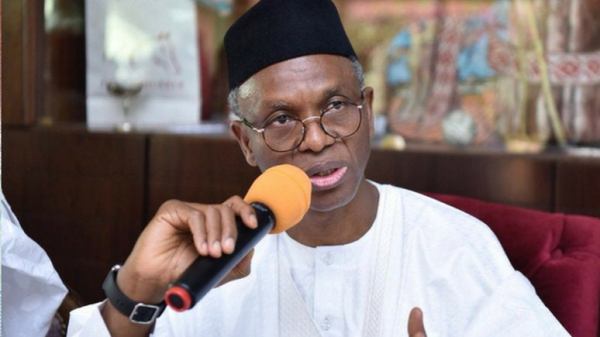
Moments after EFCC bail, DSS picks up El-Rufai

National News1 hour ago
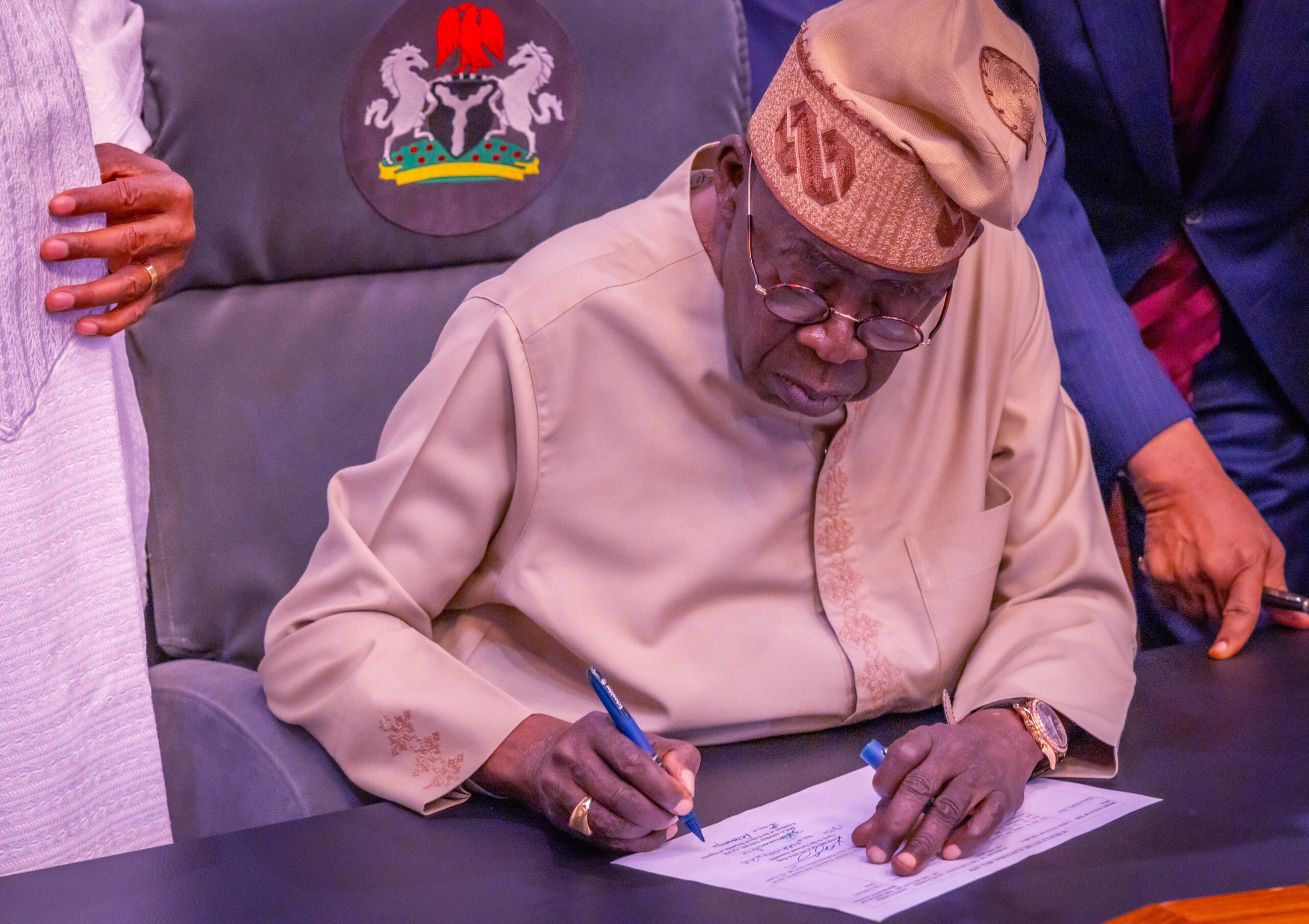
Tinubu signs landmark executive order to channel Oil, Gas revenues directly to federation account

Business5 hours ago
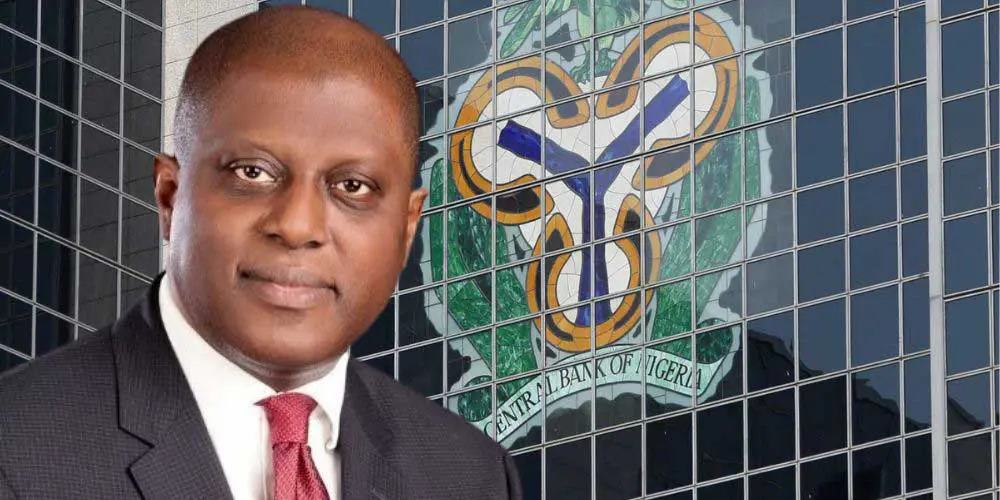
Cardoso tasks Central Banks, DFIs on Africa’s growth

News5 hours ago
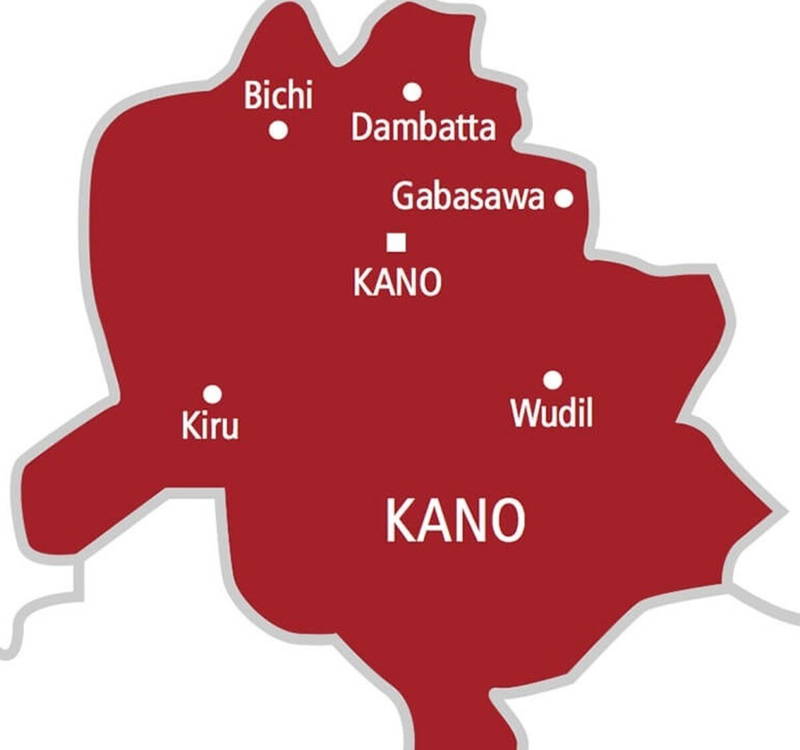
Kano board orders closure of Gala Houses, DJ activities as Ramadan begins

Metro6 hours ago
18 killed as giant tree falls, crushes bus in Enugu

FCT News6 hours ago
FCT Polls: Bwari PDP Chairmanship candidate steps down, backs APC opponent

National News6 hours ago
BREAKING: Tinubu signs Electoral Act (Amendment) Bill 2026 into Law

News7 hours ago
INEC clarifies position on results transmission for FCT Area Council elections

News7 hours ago
BREAKING: Suspected toxic gas kills dozens at Plateau mining site

News7 hours ago
EFCC re-arraigns Two, firm over alleged N60.7m shares fraud

National News1 day ago
Health Ministry directs immediate retirement of senior directors

News2 days ago
EFCC grills former Kaduna governor Nasir El-Rufai over alleged N432bn fraud

News18 hours ago
Excitement as Warri/Effurun Roads, Flyovers near completion

National News2 days ago
Tinubu hails Ribadu’s leadership in fight against insecurity

News1 day ago
Yahaya Shafa appointed Acting Chief Registrar of Federal High Court

National News1 day ago
Minority Reps stage walk out over manual transmission clause in Electoral Bill

News2 days ago
Death toll rises to three after gunmen attack Garga Community in Plateau
National News6 hours ago
BREAKING: Tinubu signs Electoral Act (Amendment) Bill 2026 into Law

Entertainment1 day ago
City Boy Movement confirms Cubana Chief Priest as Imo Director

News1 day ago
Super Falcons to face Cameroon in pre-WAFCON friendlies
-
 National News1 day ago
Health Ministry directs immediate retirement of senior directors
-
 News2 days ago
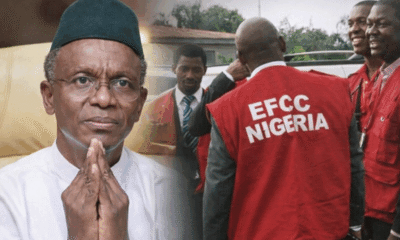
EFCC grills former Kaduna governor Nasir El-Rufai over alleged N432bn fraud
-
 News18 hours ago
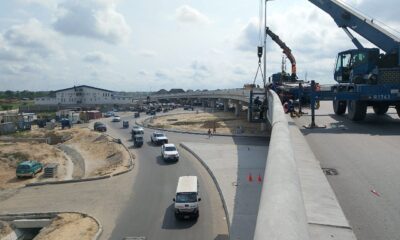
Excitement as Warri/Effurun Roads, Flyovers near completion
-
 National News2 days ago
Tinubu hails Ribadu’s leadership in fight against insecurity
-
 News1 day ago
Yahaya Shafa appointed Acting Chief Registrar of Federal High Court
-
 National News1 day ago
Minority Reps stage walk out over manual transmission clause in Electoral Bill
-
 News2 days ago
Death toll rises to three after gunmen attack Garga Community in Plateau
-
 National News6 hours ago
BREAKING: Tinubu signs Electoral Act (Amendment) Bill 2026 into Law